In this new recording on SOMM (SOMMCD 0722), clarinettist Peter Cigleris brings us three 20th-century clarinet concertos, all dating from 1948, one by Denis ApIvor (1916–2004), one by Freda Swain (1902–1985), and the last by Gerald Finzi (1901–1956).
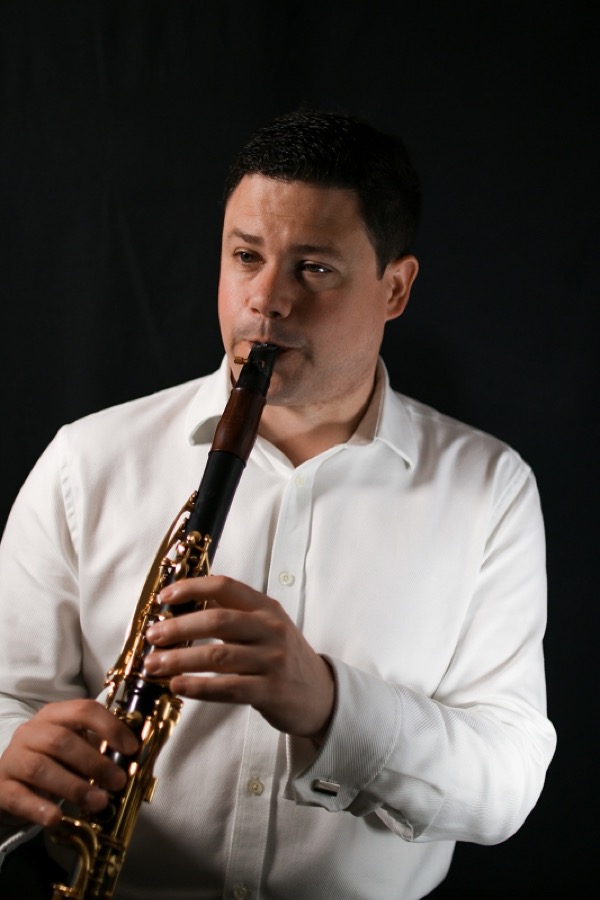
Peter Cigleris
Despite coming from the same time period, the clarinet concertos couldn’t be more different. ApIvor, born in Ireland before the family returned to Wales when he was 7, had musical gifts apparent from childhood, but his family insisted that he study medicine. He attended University College London starting in 1934 as a medical student, but was still a member of the UCL orchestra, playing the clarinet. The orchestra’s conductor suggested that he study with Herbert Howells, but nothing came of it. Later he was able to study with Patrick Hadley and Alan Rawsthorne.
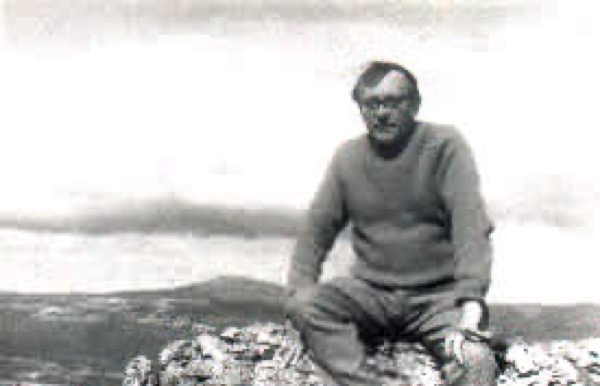
Denis ApIvor, 1966
During the 1940s, he was a war doctor and, upon posting to India, began composing his Concertante for Clarinet, Piano, and Percussion. It received its premiere in London sometime before its broadcast on the BBC Third Programme on 27 January 1948. The soloists were Frederick Thurston on clarinet, Kyla Greenbaum on piano, and percussionist brothers James (timpani) and Thomas (percussion) Blades. The composer conducted, and it would appear that despite being a clarinettist, he was never the soloist in a public performance.
The work is unique, and if there are any precedents for its sound and instrumentation, one might look towards Bartók, who wrote his Sonata for two pianos and percussion in 1937 and Contrasts for clarinet, violin and piano (1938), commissioned by jazz clarinettist Benny Goodman.
The second movement splits up the unique ensemble into a set of duets: piano and timpani, clarinet and piano, to create a unique, mysterious world.
Denis ApIvor: Concertante for Clarinet, Piano, and Percussion – II. Andante
Freda Swain, best known for her solo piano pieces that were an integral part of the graded Academy of Music examinations, is rarely thought of for her concert and recital works. She wrote around 450 concert and large-scale recital works, and the Concertino for clarinet with string orchestra and (one) horn on this recording, subtitled ‘Lumine naturi’ (By the Light of Nature), is a welcome introduction to her non-piano works.
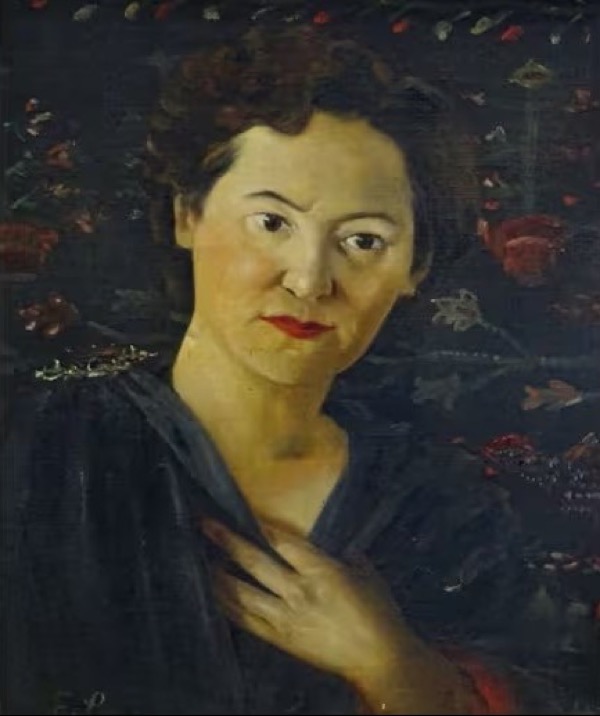
Ena Limbeek: Freda Swain, 1968
Although the composer called the work by the diminutive Concertino, it is a full-blown concerto. Her musical lines are long and sweep along in almost Straussian fashion. Each movement begins with a quotation from Algernon Blackwood, expressing his fundamental philosophical belief that in each of us are ‘signs and proofs of other powers that lie hidden in us all’.
The quotations each seem to place the particular movement in a specific place: The first movement, Moderato (Pastorale), is headed ‘…and the power of the old earth… thrilled down among the sunshine of the meadows and the music of sweet piping’ (from The Old Man of Visions, 1907), and so we are at ground level (if not below).
The second movement (Lento movimento) is headed ‘And with the divine deliverance came the crying of sea-gulls, the glimmer of reedy tarns, the whispering of wind among grasses’ (The Old Man of Visions), and takes us to a world of sound.
The third movement (Allegro assai) takes us into the sky: ‘Somewhere, through openings, came the sound of the night driving over the roof, and far above I had visions of those everlasting winds streaming by with clouds as large as continents on their wings…” (May Day Eve, 1907).
The ApIvor and Swain works are premiere recordings. The final work on the album is Gerald Finzi’s Concerto for Clarinet and Strings. After its premiere at the Three Choirs Festival in September 1949, Benjamin Britten suggested to the composer that a cadenza would not go amiss and Finzi added one.
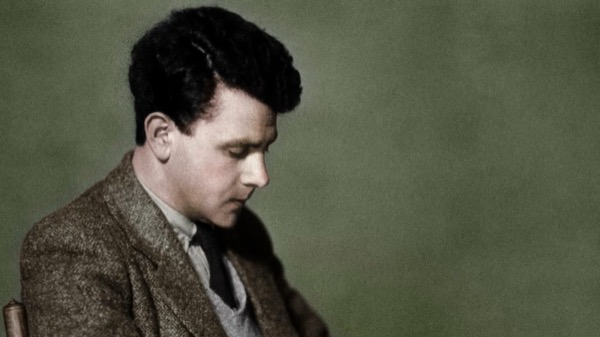
Gerald Finzi
The Clarinet Concerto is probably the most familiar of Finzi’s concert music. Compared with the other works, it’s much more mature and empathetic toward the clarinet. The final movement, a rondo, is a classic structure, with a progressive line that sweeps all before it.
Gerald Finzi: Concerto for Clarinet and Strings – III. Rondo: Allegro giocoso
Although the Finzi is familiar, it’s the other two works that show us the exciting part of 1948. International influences, interesting ensembles, and philosophical influences in the works of ApIvor and Swain give us a deeper examination not only of the music but also of the depth of thought in the post-war period.
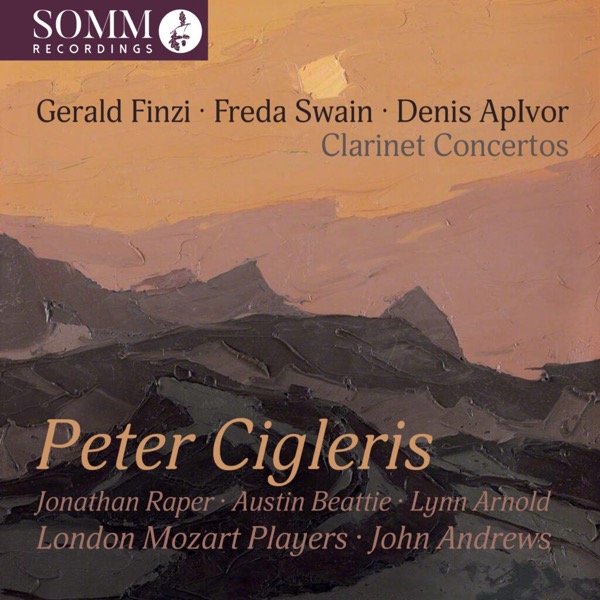
Denis ApIvor, Freda Swain, Gerald Finzi: Clarinet Concertos
Peter Cigleris (clarinet); Jonathan Raper (timpani); Austin Beattie (percussion); Lynn Arnold (piano); George Strivens (horn); London Mozart Players; John Andrews (conductor)
SOMM Recordings SOMMCD 0722
Official Website
For more of the best in classical music, sign up for our E-Newsletter