
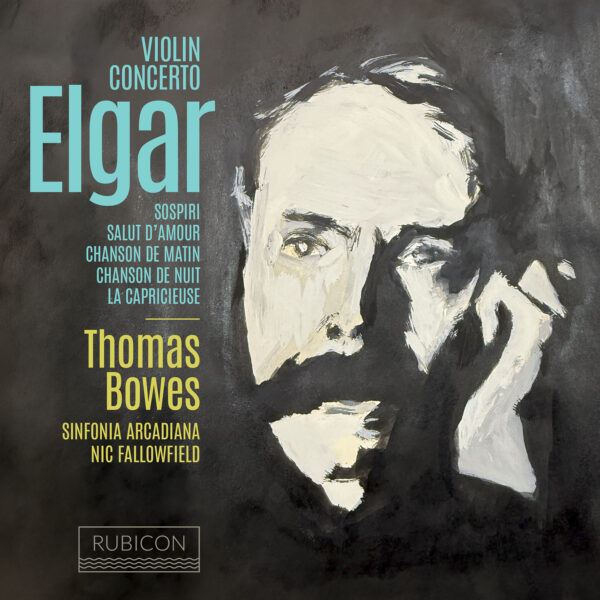
English violinist Thomas Bowes returns to Rubicon with a new album dedicated to Elgar, centred on his acclaimed Violin Concerto alongside his celebrated miniatures, arranged for violin and orchestra by British composer Eleanor Alberga. Joining them, Nic Fallowfield conducts the
Elgar

We had another chat with audio engineer Lani Spahr the other day. We spoke with him last year about his work on the century-old recordings made by Siegfried Wagner. Now we’re talking to him about the Elgar series, Elgar from
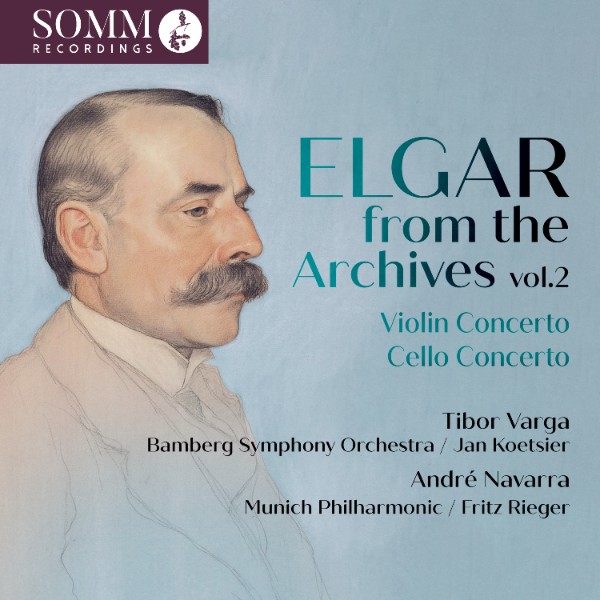
In the second volume of material from the archives of Elgar recordings, we look at Elgar‘s two string concertos. Elgar’s violin concerto was written for Fritz Kreisler and, for a time, was part of the repertoire for the great virtuoso
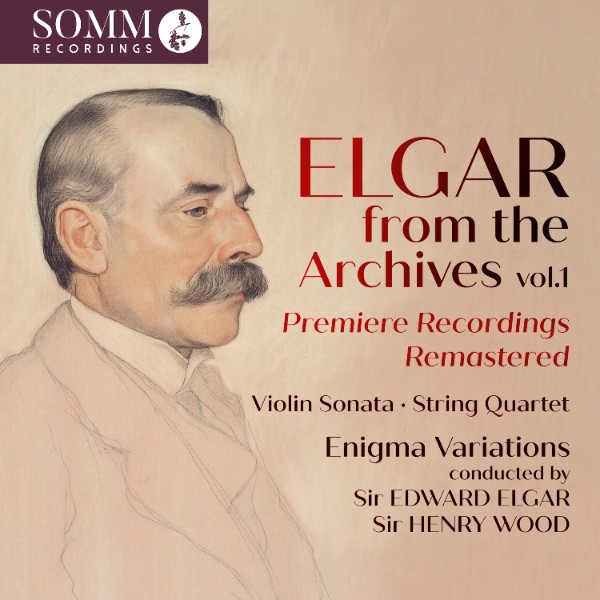
In a new SOMM Recordings release (SOMM Ariadne 5046), two century-old recordings of Edward Elgar have been brought out, providing listeners with an extremely valuable comparative listening session. The Enigma Variations, recorded by the Royal Albert Hall Orchestra in 3
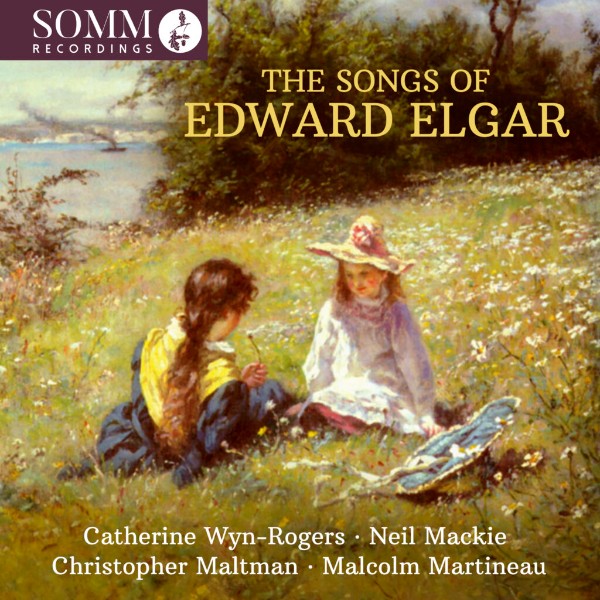
We don’t think of Edward Elgar (1857–1934) as a song composer because his great symphonic and choral works capture our attention. Yet these ‘smaller things’, for which Elgar has been criticised for working on when he could be giving us
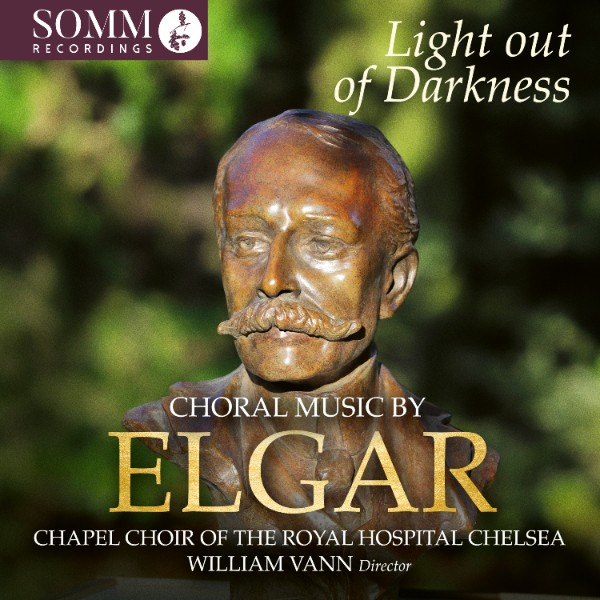
English choral music is one of the crowning glories of the English vocal tradition. From his earliest days, Edward Elgar (1857–1934) was associated with church music, albeit Roman Catholic, rather than Anglican church music. His father, William, was organist at
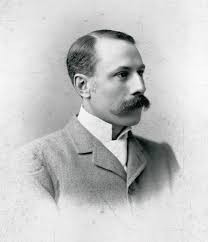
At the ripe old age of twenty-one, Edward Elgar (1857-1934) was still selling musical wares at his father’s shop in the High Street of Worcester. And in his spare time, he was engaged in all manners of local amateur music-making.
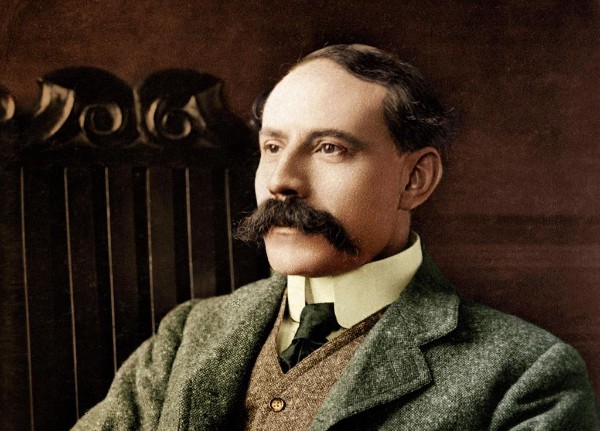
I can’t remember when I first heard this piece, but it was almost certainly on BBC Radio Three’s Breakfast programme, and, as is often the way, the piece caught my attention and I decided to find out more about it.