
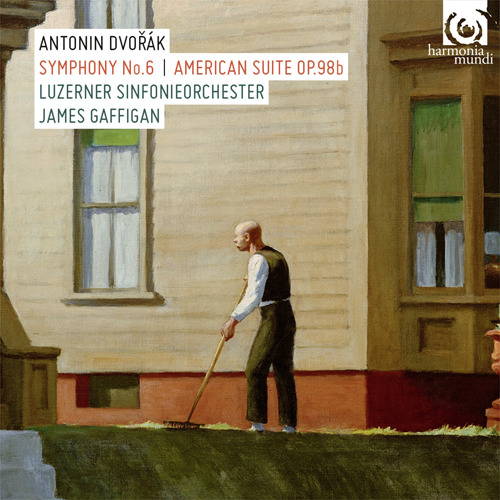
Suite in A Major ‘American Suite’, Op. 98b, B. 190: IV. Andante From Dvorák – Symphony No. 6 / American Suite op. 98b (2014) Released by Harmonia Mundi Dvorák: Suite in A Major ‘American Suite’, Op. 98b, B. 190: IV.
Dvorak
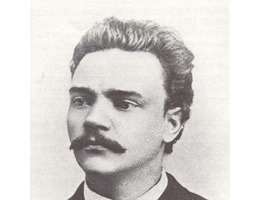
Like practically every composer working in the nineteenth century — regardless of their origin or nationality — Antonin Dvořák (1841-1904) was profoundly nationalist in many respects. In fact, he was expressively patriotic regarding Czech rights within the German dominated Habsburg
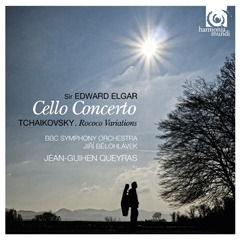
Antonín Dvořák Klid (Silent Woods), Op. 68, No. 5, B. 182 Jean-Guihen Queyras, cello BBC Symphony Orchestra Jin Belohlavek, conductor From Cello Concerto – Elgar / Tchaikovsky / Dvořák (2013) Released by Harmonia Mundi Dvořák: Klid (Silent Woods), Op. 68,
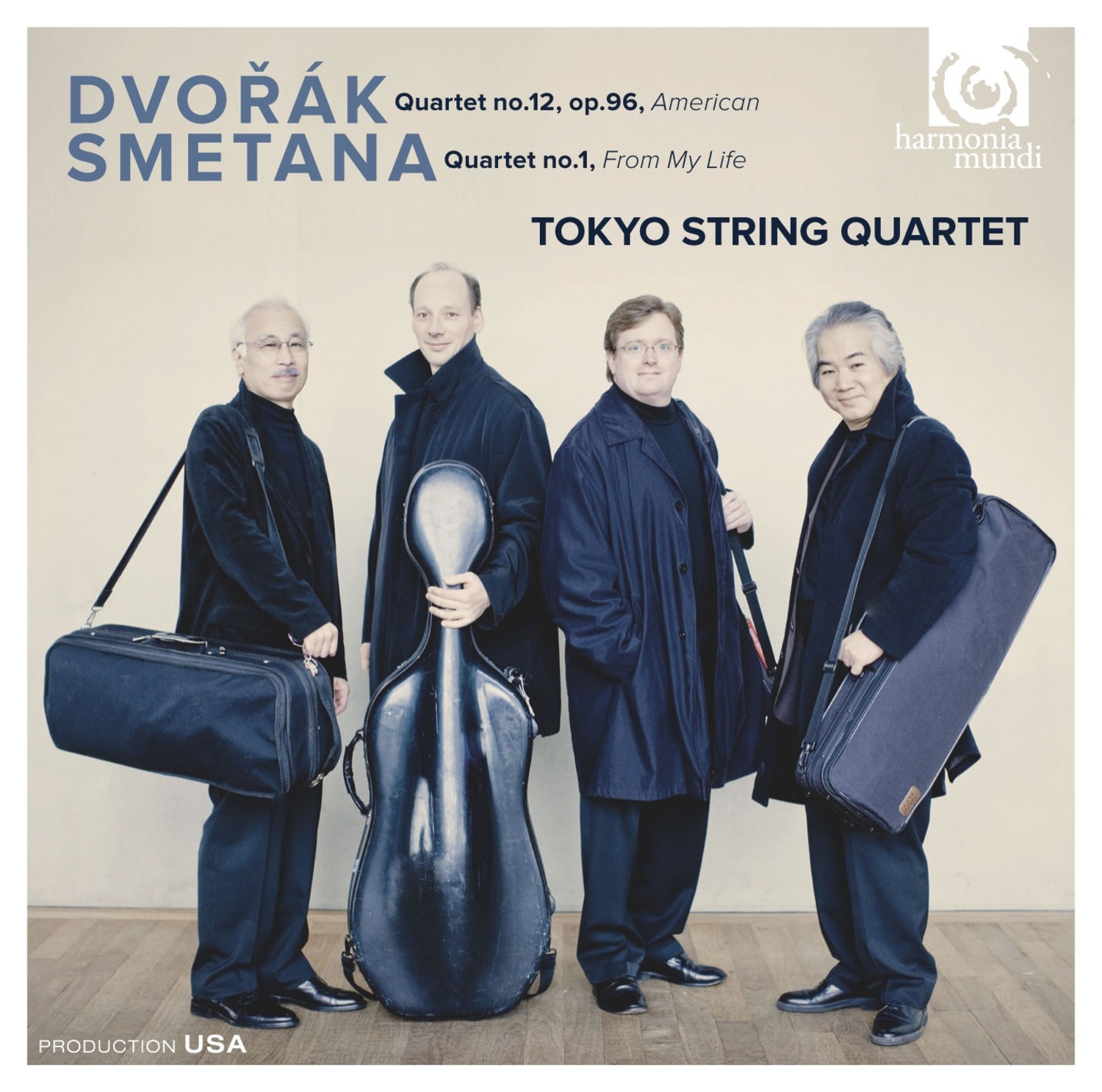
Dvořák: Quartet no. 12, Op. 96 American III Molto Vivace Tokyo String Quartet From Dvořák Quartet no. 12, Op. 96 American / Smetana Quartet no. 1 From my Life (2013) Released by Harmonia Mundi Dvořák: Quartet no. 12, Op. 96
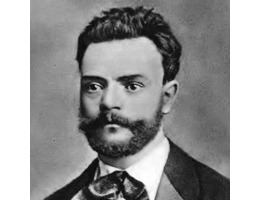
In 1884/85, a wealthy patron of classical music named Jeanette Thurber set out to establish a uniquely American school of classical music composition. To accomplish this ambitious undertaking, she founded in quick succession the National Conservatory of Music of America
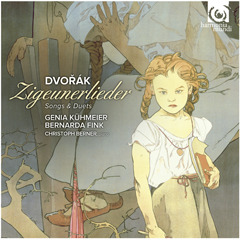
Gypsy Melodies Op.55 Songs my mother taught me Genia Kühmeier, soprano Bernarda Fink, mezzo-soprano Christoph Berner, piano From Antonín Dvořák – Songs and Duets (2012) Released by Harmonia Mundi Dvořák – Gypsy Melodies Op.55 – Songs my mother taught me