
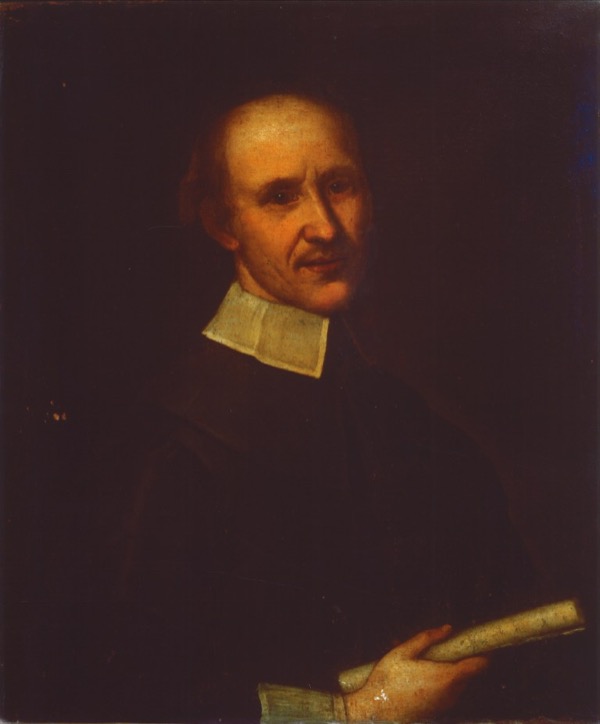
A Composer Worth Rediscovering The music of Giovanni Legrenzi (1626-1690), baptised on 12 August 1626, represents the final stage in the formation of the late Baroque style. Legrenzi rose from humble beginnings in the provinces to end his career as
Archives
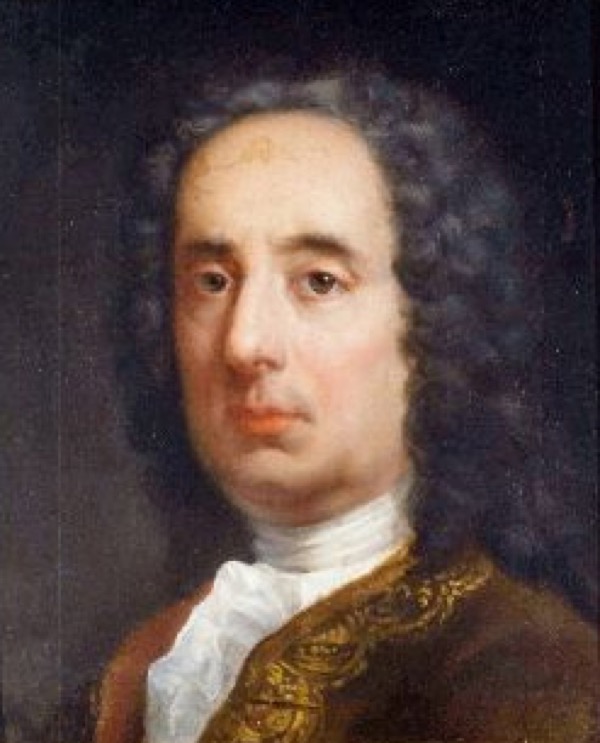
In the Shadow of a Famous Brother The Italian cellist and composer Antonio Maria Bononcini (1677-1726) was part of a distinguished musical family based in Modena, Italy. He worked closely with his older brother in Vienna, and crowned his career
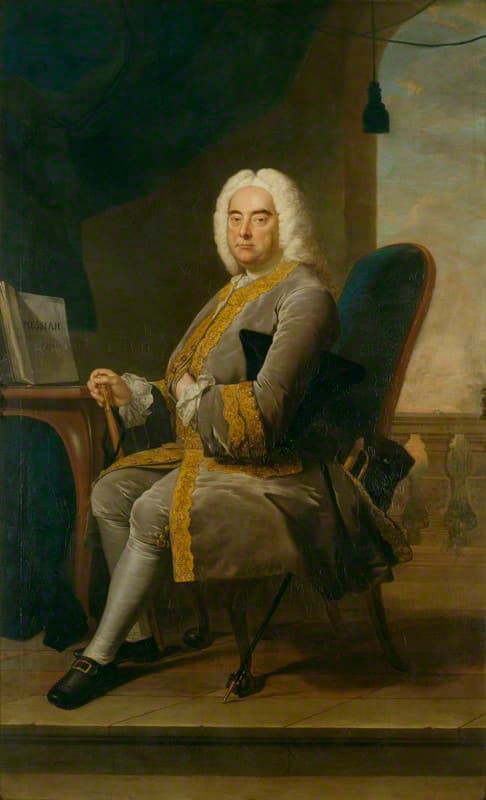
From Germany to Messiah The German-born English composer George Frideric Handel (1685-1759) is widely regarded as one of the greatest musical masters of his era. Indeed, his extraordinary talent and relentless dedication significantly shaped the landscape of classical music during
“The Musical Quack” 300 years ago, on 5 June 1722, Johann Kuhnau (1660-1722) the immediate predecessor of Johann Sebastian Bach as Kantor at the Thomasschule in Leipzig, passed away after suffering from extended periods of illness. Kuhnau was not only
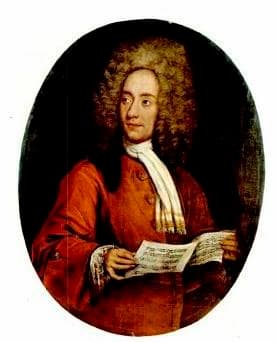
“The Professional Dilettante” There is hardly a collection of recorded Baroque favorites that does not include the “Adagio in G minor” by Tomaso Albinoni (1671-1751). Although that world-famous composition is attributed to Albinoni, it was actually the creation of the
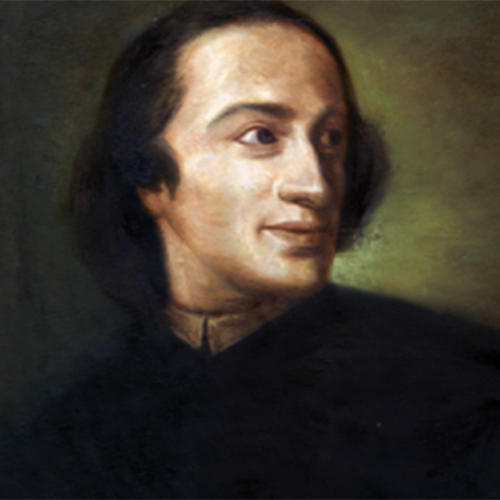
“One night I dreamed I had made a pact with the devil” His playing was renowned for its combination of technical and poetic qualities, and Italians proclaimed him “the finest musician in the world.” He also made a pact with
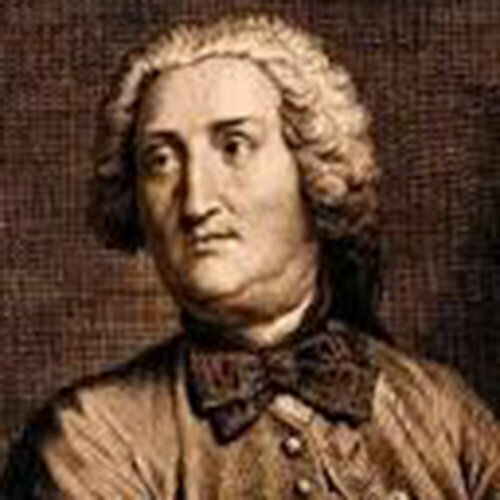
The Belligerent Virtuoso Our birthday boy this month is Louis Marchand (1669-1732), born 350 years ago in Lyons on 2 February 1669. By all accounts, he was a rather strange and disturbed character. Described as restless, cumbersome, self-conceited, and ambitious
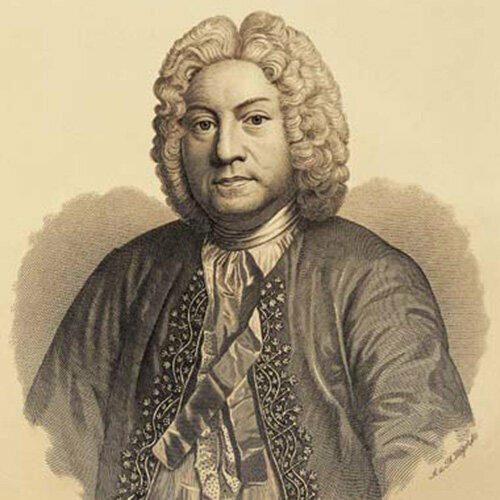
“I esteem what deserves esteem” In 2018 we celebrate the 350th birthday of François Couperin (1668-1733), a composer described as “the epitome of French music” by both Debussy and Ravel. Couperin was undoubtedly the most famous member of a family