The nineteenth century was an extraordinary age of pianism, when the piano became both the centrepiece of domestic music-making and the vehicle for dazzling displays of virtuosity in recital. It was also a period of remarkable innovation in piano pedagogy, as performers and teachers sought to reconcile the ever-increasing technical demands of the instrument with the cultivation of musical expression.
In 1840, the celebrated pianist Ignaz Moscheles (1794–1870) and Belgian musicologist François-Joseph Fétis (1784–1871) embarked on an ambitious project to bring together the finest principles of piano teaching in a single comprehensive method. Their Méthode des méthodes, Op. 98, culminated in a remarkable collection of études by some of the greatest pianist-composers of the age, including Chopin, Liszt, Mendelssohn, Thalberg and Henselt (whose complete Etudes Daniel Grimwood recorded and edited for Edition Peters).
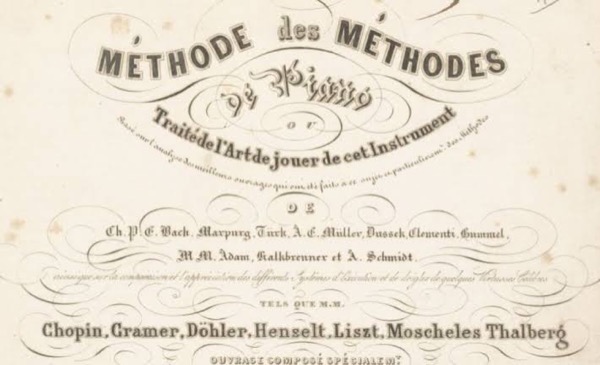
Title page of the Méthode des méthodes de piano
‘Its value lies in the collegiate emphasis on a community of pianists, and the extraordinarily high artistic standard of the musical contributions.’ – Daniel Grimwood, pianist
The Méthode des méthodes, Op. 98, takes the player (and teacher) through a series of exercises, beginning with Principes de musique, which covers musical notation, rhythm, hand position, and basic keyboard mechanics for beginners, and continuing through Exercices élémentaires et études progressives, which provide technical drills to build finger independence, scales, and arpeggios, and culminating in twenty Etudes de perfectionnement, advanced pieces that push the limits of Romantic piano technique and musical expression.
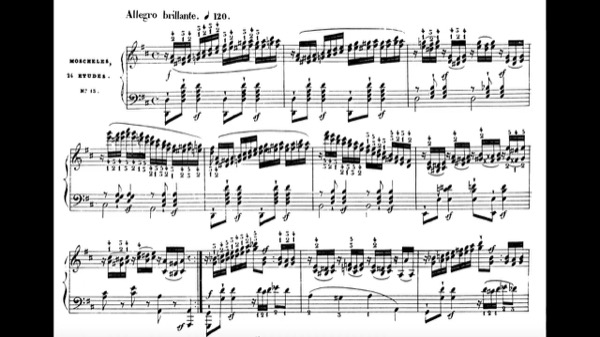
Ignaz Moscheles: Étude
Moscheles Premiers exercises en doubles notes 1-3 from the Méthode des Méthode
We tend to regard études as exercises designed to develop technique or overcome specific technical difficulties (most of us who have had piano lessons can probably recall rather dull exercises intended to practise particular aspects of technique). But the finest nineteenth-century examples of études are also sophisticated musical compositions in their own right, valued for their artistry and imagination. Chopin, of course, transformed the genre, making the étude a vehicle for poetic expression as much as for technical accomplishment, and his two sets of études are highly prized as concert pieces by performers and audiences alike.
Chopin Etude in A-flat major and Thalberg Etude in E-flat major from the Méthode des Méthodes
The album results from Grimwood’s longstanding interest in nineteenth-century keyboard and performance practice and period instruments, and it stems directly from his research project at the University of York. It is recorded on an 1856 Erard grand piano, which lends the pieces on the album a very distinctive sound, with its clear treble and transparent lower registers. Its range of colours perfectly illuminates the album’s varied offering, and it feels entirely appropriate to present these pieces on such an instrument, without indulging in musical time travel or suggesting that it allows us to “hear the music as the composers themselves did”.
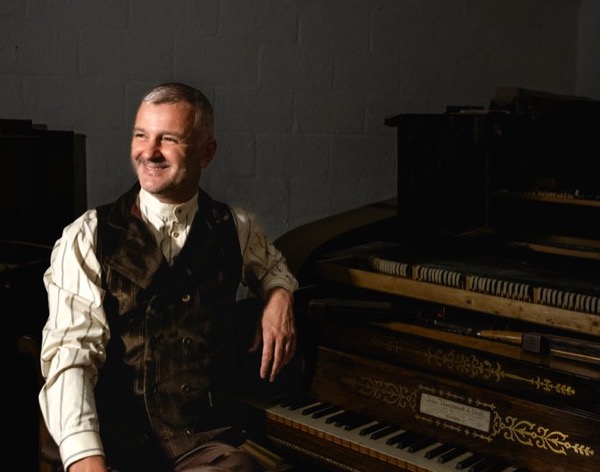
Daniel Grimwood
The sheer variety of music on this disc is impressive enough, but Grimwood has interspersed the works with his own improvised modulations. These are not pastiches or “novelty pieces”; instead, they feel entirely authentic and could have come straight out of Liszt or Thalberg’s studio. They serve as a reminder that nineteenth-century pianists were expected to possess a range of musical skills beyond fidelity to the printed score: improvisation, transcription, interpretation and composition were closely interconnected and considered key skills amongst pianists of that era.
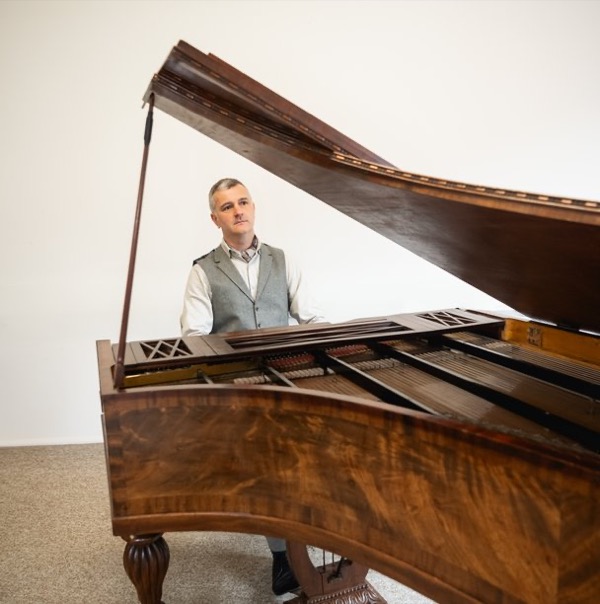
Daniel Grimwood
In this fascinating recording, Grimwood’s meticulous research and longstanding interest in Henselt and the less familiar corners of the Romantic repertoire, combined with his immaculate, virtuosic, and nuanced playing, bring this extraordinary musical undertaking vividly to life. This is not merely an anthology of études, nor is it a pianist simply playing through a collection of historical curiosities. Daniel Grimwood has spent years exploring this musical world, and this album offers revealing insight into the artistic ideals and musical culture of the Romantic piano tradition, examining how pianists were taught, how virtuosity developed, and what it meant to be an accomplished pianist in the nineteenth century.
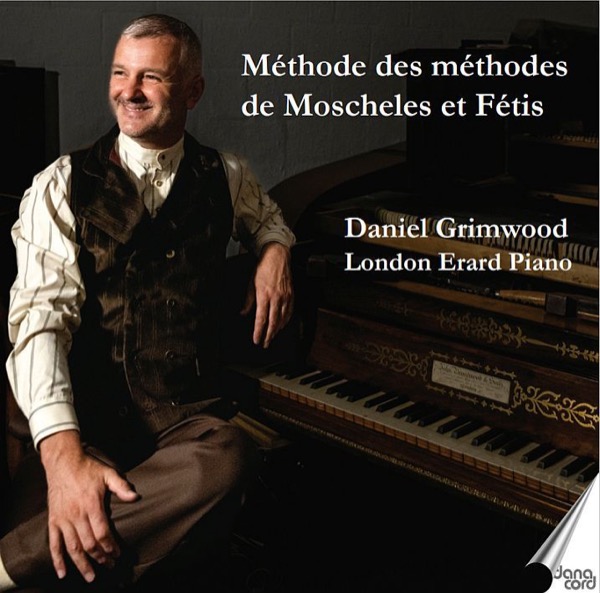
Méthode des méthodes de Moscheles et Fétis
Daniel Grimwood, piano
Danacord DACOCD 1021
Out now on the Danacord label
For more of the best in classical music, sign up for our E-Newsletter