Today, Franz Schubert is one of the most beloved composers of all time, famous for works like Ave Maria, the Trout Quintet, and his “Unfinished Symphony.”
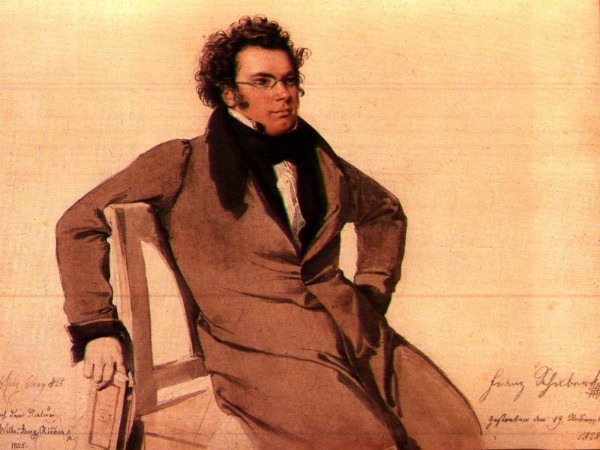
Franz Schubert
But when Schubert died in 1828 at the age of 31, much of his music remained unpublished and unperformed, and at serious risk of being forgotten.
Preserving it took champions like Robert Schumann, Felix Mendelssohn, and even Sir Arthur Sullivan, of Gilbert and Sullivan fame.
Without them, we might never have heard some of Schubert’s greatest works.
Schubert’s Death and Ferdinand Schubert’s Devotion
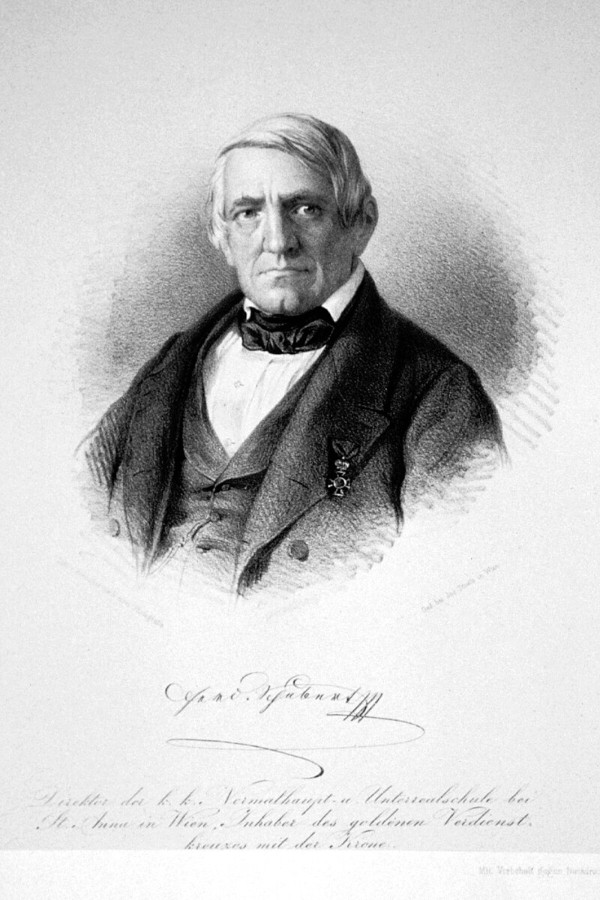
Ferdinand Schubert
Schubert’s final illness began in late 1828. We don’t know exactly what he died from, but his symptoms included headaches, pain, fever, and vomiting.
During his last days, he moved in with his brother Ferdinand Schubert, who was both a teacher and musician.
He was deeply grateful for the care. “My brother is conscientiousness itself,” Schubert wrote to a friend on 12 November 1828. He died in Ferdinand’s apartment a week later.
Schubert’s other siblings never expressed any special interest in cataloguing or preserving the music of their unmarried, childless brother, so Ferdinand took on the task.
Over the course of his life, Ferdinand would have 29 children (although only twelve survived to adulthood), and he was always in need of money to support his family.
By 1835, he was trying to sell the rights to his brother’s works by placing newspaper advertisements in Vienna, Leipzig, and Paris.
Robert Schumann’s Love for Franz Schubert
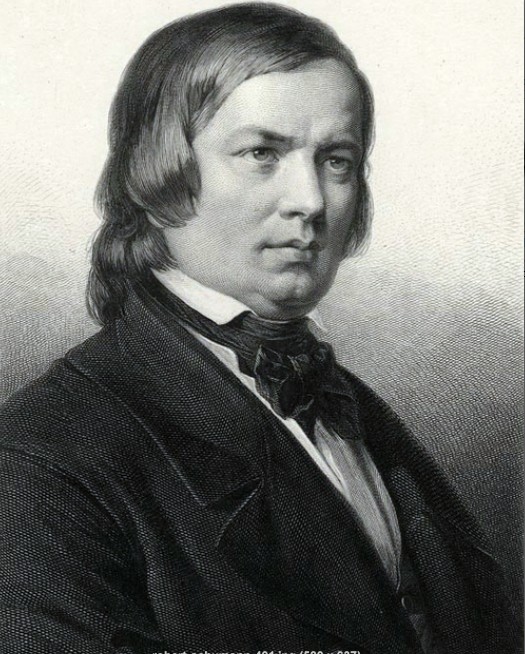
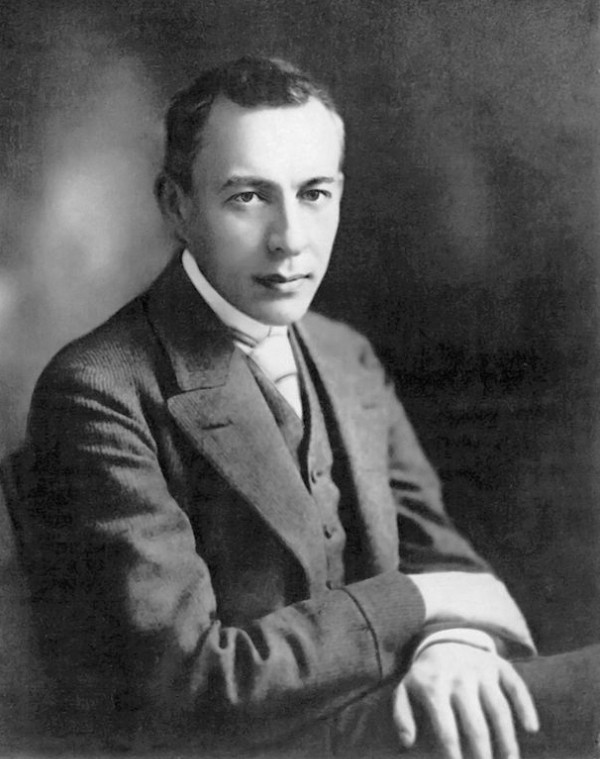
Robert Schumann
Robert Schumann had loved Franz Schubert’s music for years. In 1828, he wrote in a letter to his teacher (and future father-in-law) Friedrich Wieck:
Schubert is still my “one and only” love, the more so as he has everything in common with my one and only Jean Paul…
Schubert unburdened his heart on a sheet of music paper, just as others leave the impression of passing moods in their journals. His soul was so steeped in music that he wrote notes where others use words – so, at least, I venture to think.
In 1832, he wrote to Wieck of his piano prodigy daughter, “Schubert, Paganini, and Chopin have flashed across the horizon, and now comes – Clara.”
One of his roommates remembered that Schumann cried all night long the day he found out that Schubert had died.
Robert Schumann Rediscovers the Schubert Manuscripts
Given that background, it’s understandable why, in late 1838, when Schumann was traveling in Vienna, he tried to meet a member of the Schubert family.
He was successful. On 1 January 1839, Schumann visited Ferdinand Schubert, who allowed him access to his late brother’s papers. Remarkably, no one of note had yet combed exhaustively through them.
In 1840, Schumann wrote in his paper the Neue Zeitschrift für Musik:
“The riches that here lay piled up before me made me shudder with joy. Where to look first; where to stop?”
While he was looking through these papers, Schumann flagged Schubert’s Ninth Symphony, nicknamed the Great.
Schumann sent it to his publishers Breitkopf and Härtel, and also sent a copy of the parts to his friend Felix Mendelssohn, who was the music director of the famed Gewandhaus Orchestra in Leipzig.
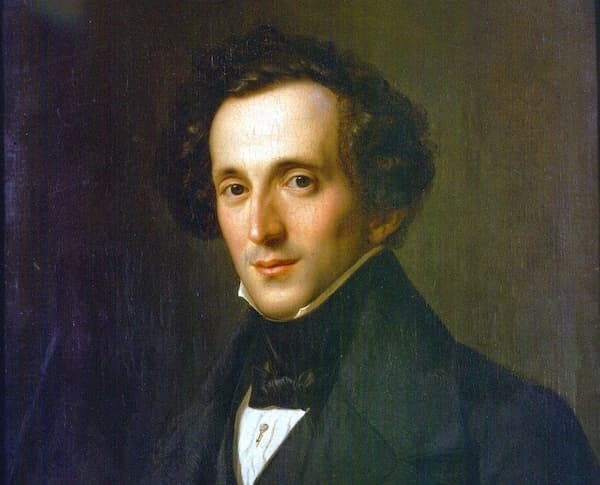
Felix Mendelssohn
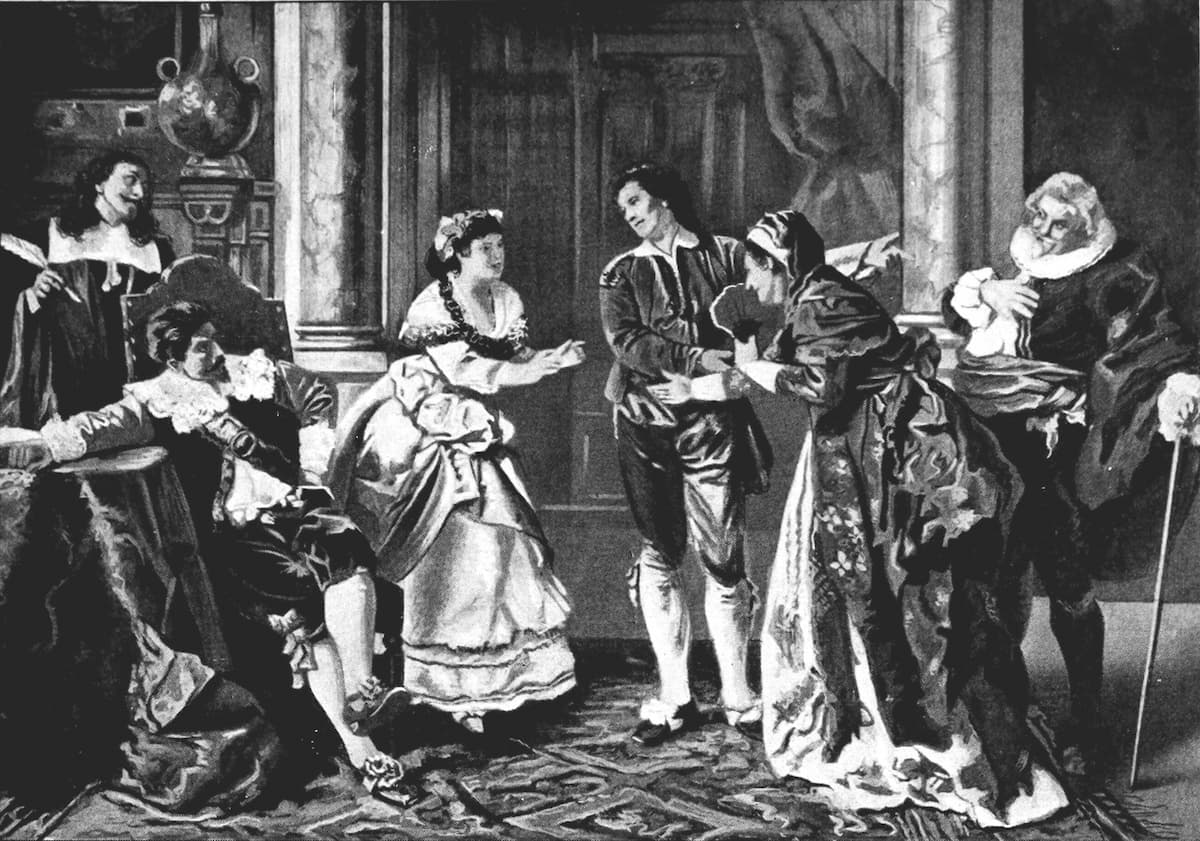
Mendelssohn was a smart contact to make. A decade earlier, he’d resurrected Johann Sebastian Bach’s St. Matthew’s Passion, and in a few years, in 1844, he would do the same with Beethoven’s violin concerto. He took up Schubert’s symphony, too.
As Schumann wrote in 1840:
Who knows how long this symphony would have lain becoming dusty in the darkness had I not come to an understanding with Ferdinand Schubert to send it to Leipzig to the direction of the Gewandhaus Concerts?
Or to the artist himself, who leads them [Mendelssohn], from whose fine glimpse the shyly blossoming beauty can hardly escape, not to mention this obvious, masterful, glorious one?
The symphony arrived, was heard, understood, heard again and joyfully almost universally admired.
Schumann Hears Schubert’s Great Symphony
Mendelssohn repeated the symphony in Leipzig twice.
In December 1839, before one of these encore performances, Robert Schumann was back in town and wrote an ecstatic letter to his fiancée Clara Wieck:
Today I was blissfully happy. At a rehearsal, they played a symphony by Franz Schubert… the length, that heavenly length, like a novel in four volumes… I was utterly enraptured…
He wrote in another letter to his friend Ernst A. Becker:
I heard parts of Franz Schubert’s symphony at the rehearsal today, and it realised all the ideals of my life. It is the greatest achievement in instrumental music since Beethoven, not excepting even Spohr and Mendelssohn.
Schubert’s Symphony No. 9, “Great”
Grove, Sullivan, and a Century of Rediscovery
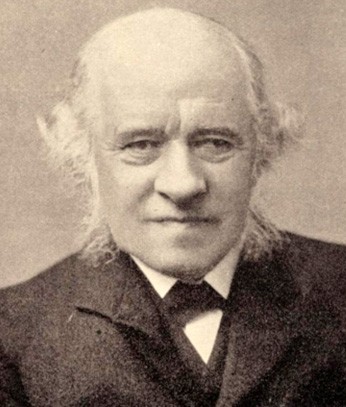
George Grove
Although Mendelssohn gave the Great Symphony its first hearing, orchestras weren’t immediately sold.
The piece was unusually long and technically challenging. When Mendelssohn brought it to Paris in 1842 and London in 1844, orchestras reportedly laughed at its difficulty.
But that didn’t stop the momentum. In 1867, 47-year-old musicologist George Grove and 25-year-old composer Arthur Sullivan (of Gilbert & Sullivan fame) traveled to Vienna, searching for Schubert manuscripts.
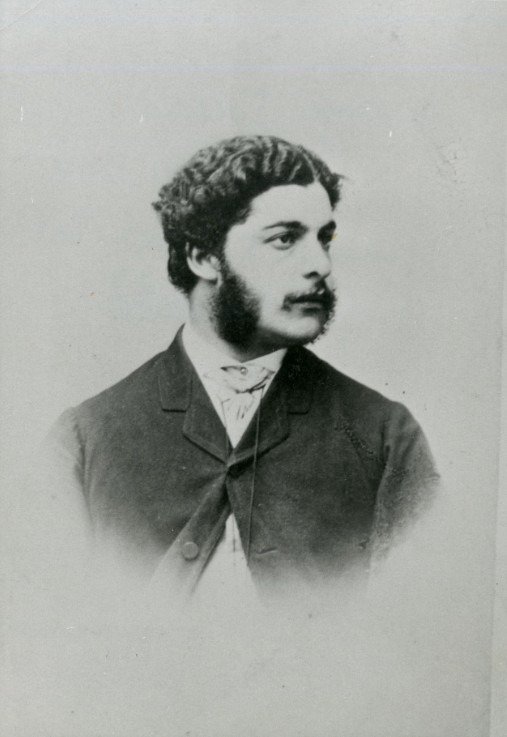
Arthur Sullivan
While there, they met with a Dr. Schneider, who was the son of Schubert’s little sister Theresia.
Going through the family’s cabinets and closets, they unearthed a treasure trove of lost works: six symphonies, Masses, music to the play Rosamunde, and more.
Their findings reignited interest in the composer, and Liszt, Brahms, and others continued advocating for his work.
The success of these efforts began snowballing, and by the end of the nineteenth century, he had achieved the unassailable position in the musical canon that he enjoys today.
Schubert’s Rosamunde Overture
Conclusion: No Musical Genius Composes in a Vacuum
Franz Schubert may have died young, but his music endured because others believed in it.
The Schubert family’s stewardship, Robert Schumann’s curiosity, Mendelssohn’s conducting, and Grove and Sullivan’s persistence all helped to rescue his music from oblivion.
The story should lead modern music lovers to wonder: what masterworks of the past might be stuck in forgotten cabinets and closets today?
For more of the best in classical music, sign up for our E-Newsletter