David Oistrakh (1908–1974) was more than a violinist. He was a musical poet whose bow sang with a depth of emotion that completely transcended technique. Renowned as one of the 20th century’s greatest violinists, Oistrakh’s artistry was defined by a rare combination of technical mastery, expressive warmth, and an unassuming humanity that endeared him to audiences, colleagues, and students alike.
His life, shaped by the turbulent history of the Soviet Union, was a testament to the power of music to bridge divides, uplift spirits, and reveal the essence of the human soul. Oistrakh’s artistry and profound humanity made him not just a performer but a beacon of grace in a challenging world.
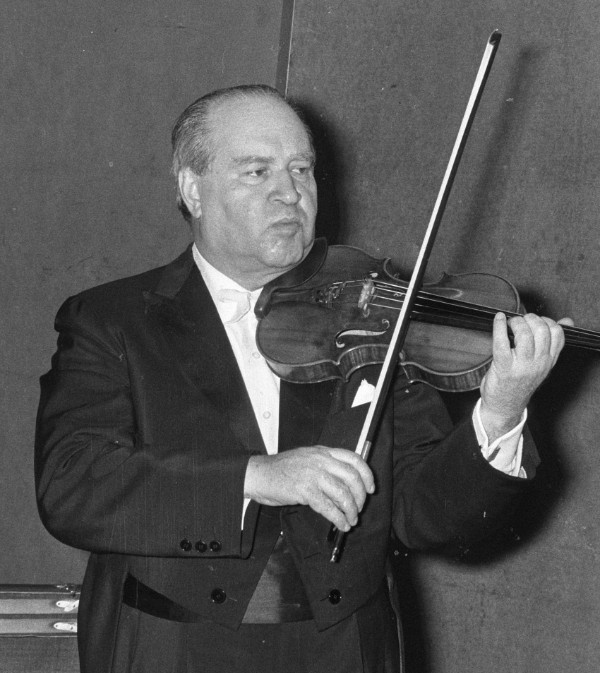
David Oistrakh in 1972
Today, Oistrakh remains a touchstone for violinists and music lovers. His recordings are studied for their interpretive depth, and his life serves as a reminder that artistry thrives not in isolation but in connection with music, with others, and with the world. To celebrate his birthday on 30 September, let’s honour not just the violinist, but also the storyteller and the teacher.
David Oistrakh plays Brahms: Violin Concerto in D Major, Op. 77
A Genius born in Odessa
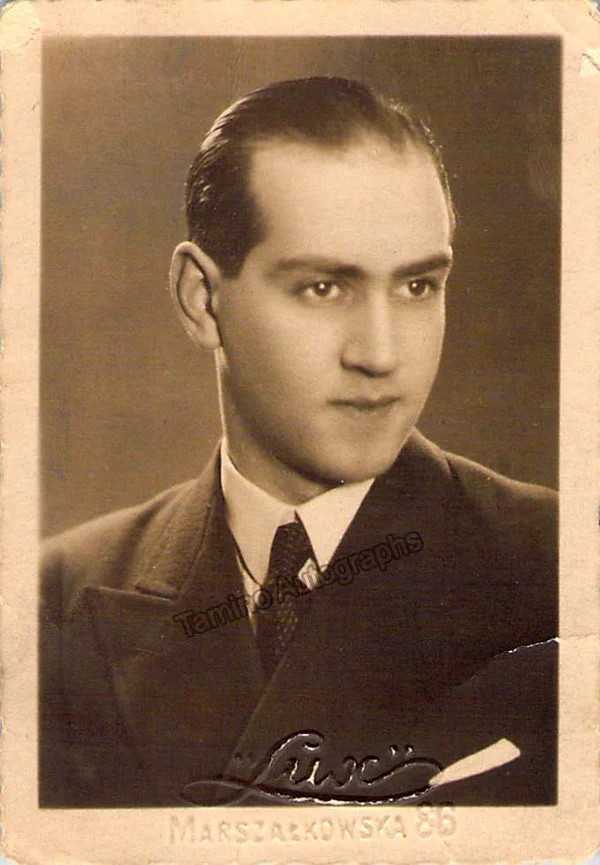
David Oistrakh
David Oistrakh hailed from Odessa, a vibrant and multicultural port city known for its artistic vitality, then part of the Russian Empire. His father, a bookkeeper with a love for music, and his mother, an opera chorus singer, nurtured his early talent.
At age five, Oistrakh began studying violin under Pyotr Stolyarsky, a pedagogue whose rigorous yet inspiring methods shaped many Soviet virtuosos. Young David was no ordinary prodigy, however. His early performances revealed a maturity that belied his years, with a tone that was already rich and singing.
At the age of 15, Oistrakh made his debut in Odessa, performing Bach’s E Major Concerto. His playing caught the attention of critics and musicians, who noted his ability to combine technical precision with an almost vocal expressiveness. This duality, pairing virtuosity with lyricism, would become the hallmark of his artistry.
David Oistrakh plays Bach: Violin Concerto in E Major, BWV 1042
Power and Tenderness
Oistrakh’s playing was often described as “singing,” a quality that set him apart in an era of dazzling virtuosos. His tone was warm, full-bodied, and deeply human, capable of conveying both the grandeur of a concerto and the intimacy of a chamber work. To be sure, Oistrakh communicated an emotional honesty that resonated with listeners.
His technical prowess was formidable, yet never ostentatious. Oistrakh’s left hand moved with effortless precision, navigating complex passages with clarity, while his right arm wielded the bow like an extension of his voice.
He had an uncanny ability to shape phrases, drawing out long, singing lines that seemed to breathe. In recordings and performances of Tchaikovsky’s Violin Concerto, his interplay with orchestras and conductors showcased a balance of power and tenderness, with each note imbued with purpose.
David Oistrakh performs Tchaikovsky: Violin Concerto in D Major, Op. 35 “Excerpt”
Harmony in Hardship
Oistrakh’s career unfolded against the backdrop of the Soviet Union’s political and cultural upheavals. The Stalinist era posed challenges for artists, yet Oistrakh navigated this landscape with quiet resilience. Unlike some contemporaries who defected, he remained in the USSR, balancing state expectations with artistic integrity.
Oistrakh’s interpretive approach was collaborative and intuitive. He worked closely with composers like Dmitri Shostakovich and Aram Khachaturian, who wrote works specifically for him. Shostakovich’s First Violin Concerto, premiered by Oistrakh in 1955, is a prime example of their synergy.
The concerto’s dark, introspective passages and sardonic outbursts suited Oistrakh’s ability to convey profound emotional narratives. His performances of this work, particularly the haunting Nocturne and the blistering Burlesque, remain definitive, blending technical brilliance with raw emotional truth.
David Oistrakh performs Shostakovich: Violin Concerto No. 1
Oistrakh’s Gift
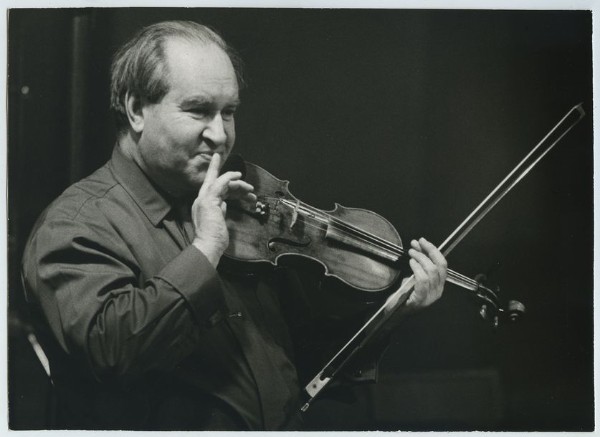
David Oistrakh
Oistrakh’s humanity shone through in his ability to connect across cultural and political divides. In 1955, his debut at Carnegie Hall with Tchaikovsky’s Violin Concerto left American audiences spellbound, not just by his playing but by his unpretentious demeanour.
He was no aloof virtuoso but engaged with listeners and colleagues with warmth and humility. Stories abound of his kindness, whether mentoring young musicians or sharing a meal with orchestra members after a concert.
Oistrakh’s legacy extends beyond his performances to his role as a teacher at the Moscow Conservatory, where he shaped generations of violinists. His students, including Gidon Kremer and Viktor Pikayzen, recall his nurturing approach. Oistrakh emphasised musicality over flash, encouraging students to find their own voice.
As his student Gidon Kremer noted, “He played with his heart, and you could hear it in every note.”
For more of the best in classical music, sign up for our E-Newsletter