
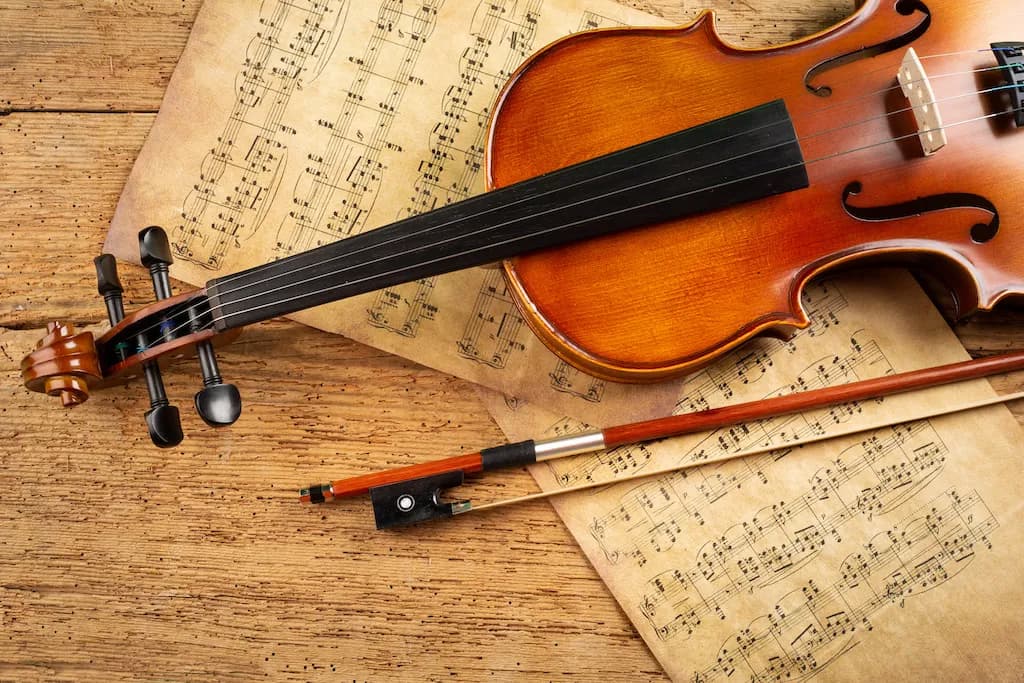
The solo violin has long been acknowledged as the perfect instrument to express emotions like love, longing, heartbreak, rapture, and romance. The Romantic era lasted from the early nineteenth century to the early twentieth century and produced numerous works that
Latest article
Spotlight
-
 The Isaac Newton of Music
Rameau and his Treatise on Harmony April 7th, 2014Jean-Philippe Rameau: Dardanus “Overture” Jean-Philippe Rameau was deeply in love with Marie-Louise Mangot. She must have been a remarkably charming, and extremely pretty 19-year old maiden. After all, a 42-year old bachelor does not give up his solitude all that -
 The Supernatural in Music
IV Vanity of Vanities April 6th, 2014In the Flemish 16th century, a new style of painting became popular: Vanity Paintings. Unlike today’s ‘vanity publishing,’ where you pay to have your immortal work put into print, Vanitas Paintings were about a deadly sin. -
 In touch with Ed Barker
Returning to China April 4th, 2014In 1979, the Boston Symphony Orchestra became the first western orchestra to tour China, following the opening of the country to the West. The date is important, when you consider that 1978 marked the reopening of the Chinese conservatories and -
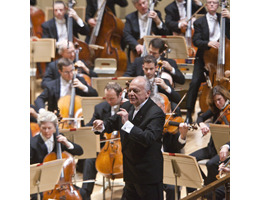
 In touch with Lorin Maazel April 4th, 2014 In anticipation of the Boston Symphony Orchestra’s visit to China in May, we caught up with Maestro Lorin Maazel and asked him a few questions about his work in China and repertoire for touring orchestras.
 -
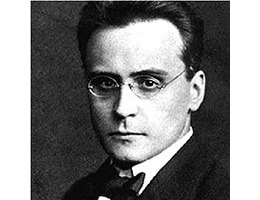 Death Penalty for Smoking! April 3rd, 2014 By now, even the dimmest bulbs on the planet know that smoking is bad for your health. And we also know that exposure to passive smoking, also identified as “second-hand smoke” or “environmental tobacco smoke” causes disease, disability, and death.
 -
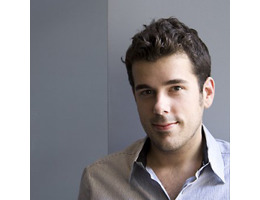 In touch with Joseph Hallman April 2nd, 2014 Hailed as “the city’s most innovative music experience” by the Financial Times, the Intimacy of Creativity, founded by Chinese-American composer Bright Sheng, begins its fourth cycle this April, to bring together internationally acclaimed performers and composers for creative dialogue and
 -
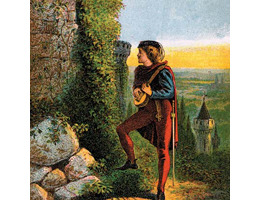 Spies and Music March 31st, 2014 With all the news these days of computer spies, we’d thought we’d look at the historical problem of musical spies. We don’t mean stealing composers’ musical ideas, but the ways in which, over the centuries, music and composers have entered
 -
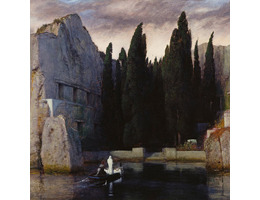 The Supernatural in Music
III. Dies Irae: The Dance of Death March 30th, 2014The ‘Dies Irae’ (Day of Wrath) was a poem written to be used in the Requiem Mass of the Roman Catholic Church and comes from a Latin hymn dating from the thirteenth century. As you say the Latin aloud, you