
We all know Bess’ song from Porgy and Bess: ‘Summertime, and the Livin’ is Easy’. We decided to do a survey of what other composers thought about summer and were surprised at the very different moods and modes composers used
Latest article
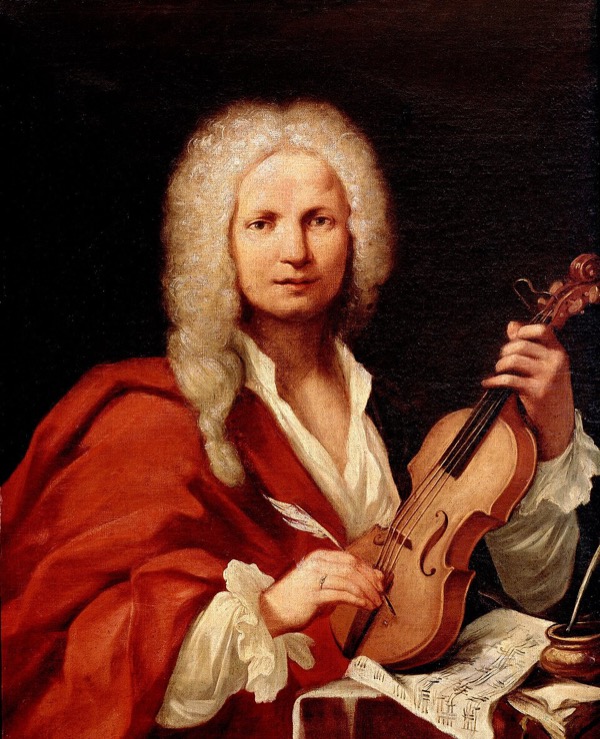
Spotlight
-
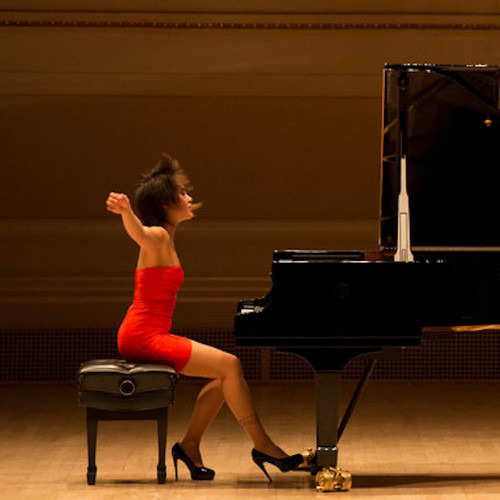
 Musicality is nature; musical ability is nurture October 29th, 2014 An article published in The Economist (‘Musical ability is in the DNA’) suggested that one’s musical ability is determined by genetics, and that despite Malcolm Gladwell’s bold statement that 10,000 hours of practice will guarantee expertise in almost any field,
 -
 Berkeley Symphony Orchestra Opening Night Concert October 28th, 2014 I had the pleasure of attending the Berkeley Symphony Orchestra opening concert for the 2014/15 season—my first classical music concert since moving to the U.S.A. The concert took place at UC Berkeley’s Zellerbach Hall. The building has a surprisingly small
 -
 Franz Tunder October 27th, 2014 Free Concerts for Advent In many Western Christian churches, the season of Advent prepares believers for the celebration of the nativity of Jesus at Christmas. Traditionally, Advent marks the beginning of the Church Year, and symbolizes the spiritual journey towards
 -
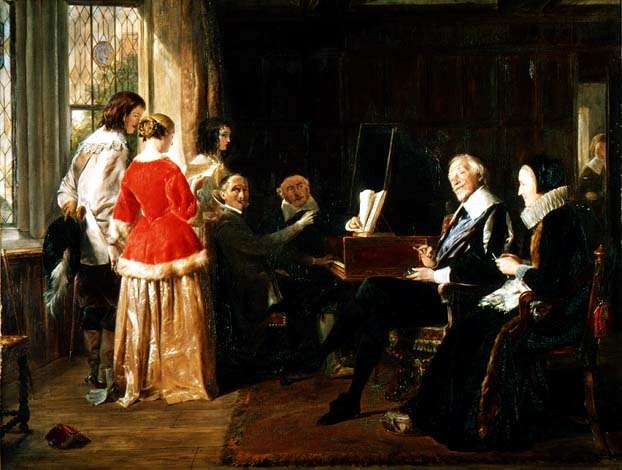 The Speed of Poetry October 27th, 2014 When we hear Renaissance madrigals sung, we often hear these lovely, long-drawn out pieces of pure counterpoint and then forget why they were written. The Italian madrigal came out of what we might think of as the upper-class men’s clubs
 -
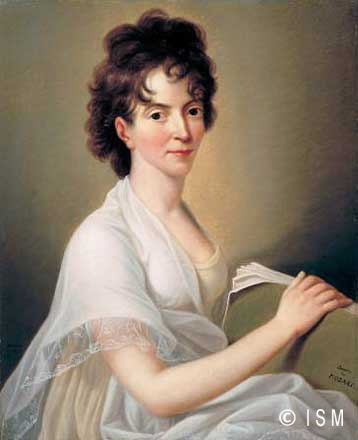 Devotional Simplicity
Mozart: Ave verum corpus October 26th, 2014Mozart’s relationship to church music has been compared to a child’s attitude towards eating sprouts and spinach. That attitude was clearly conditioned by his troubled interaction with Count Hieronymus von Colloredo, who was appointed Prince-Archbishop of Salzburg in 1771. This -
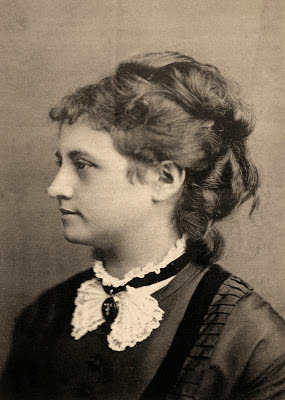 The Marriage Fanatic
Eugen d’Albert October 23rd, 2014Fabled pianist Eugen d’Albert compared his wives to Beethoven symphonies. He once told a friend that he intended to marry until he got up to the ninth, with chorus! Unfortunately, he only lived long enough to manage the “Pastoral.” For -
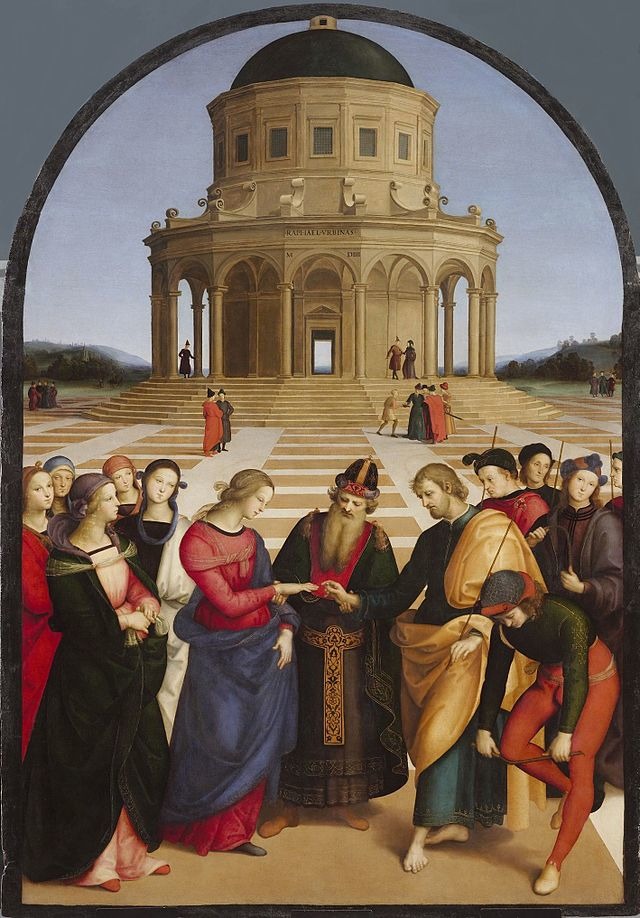 The Italian Influence October 22nd, 2014 Italy has long been an influence on the development of music in Europe – perhaps it was due to the money inherent in its courts and the musical developments they supported, the promotion of art during the Renaissance, or just
 -
 Repetition is life October 21st, 2014 One could argue that all creative process is improvisation: for that flash of creativity that generated the art, which distinguished whatever the artist was doing from merely replicating a past behaviour, was improvisation. Afterwards, the artist can do whatever he