
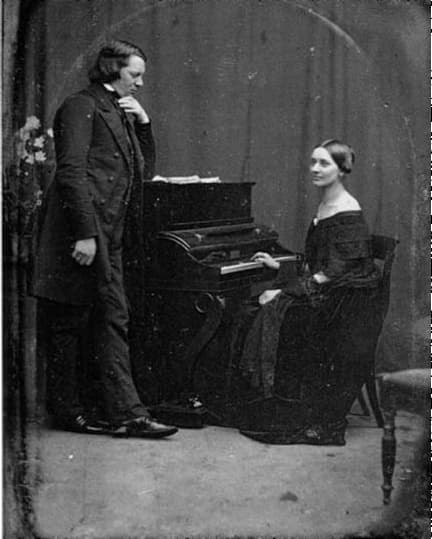
The love story between Robert and Clara Schumann is often regarded as one of the most romantic in classical music history. Happily for historians, many of their love letters survive. They document their inner thoughts and emotions, as well as
Latest article
Spotlight
-
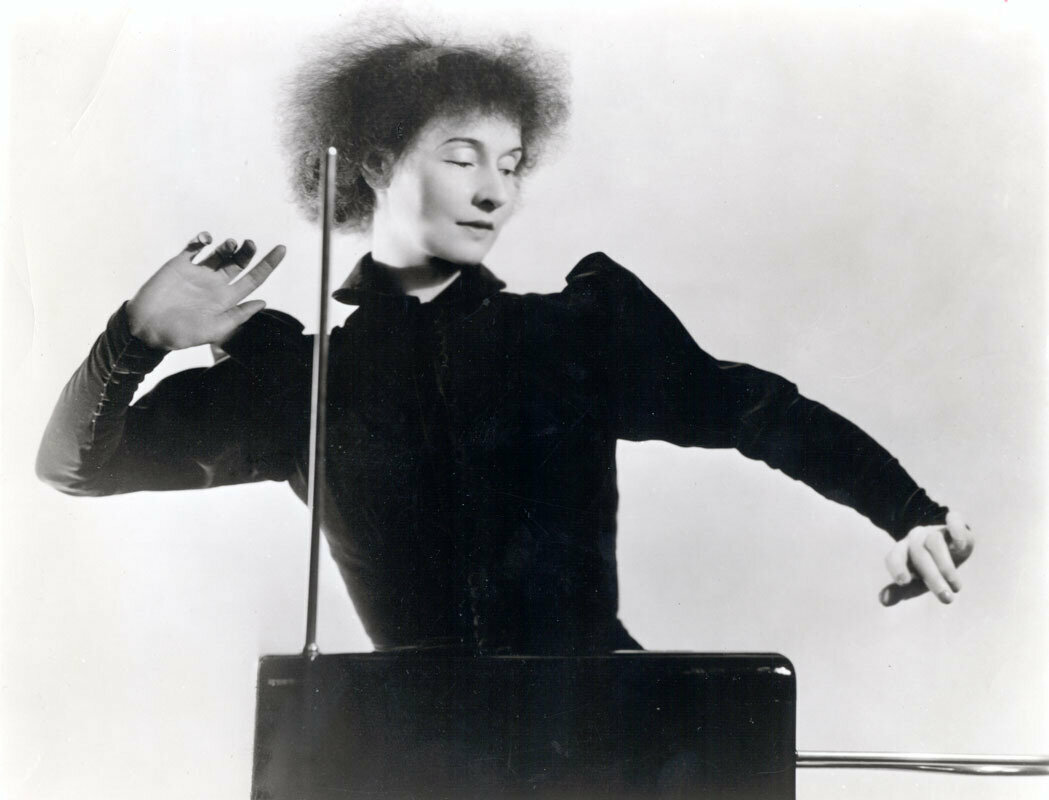
 Having Sex with Ghosts! November 22nd, 2014 Are you ready for a bit of specialist musical trivia to impress your friends? Here it goes! What is the name of the instrument that you can see, you can hear but you can’t touch? Performing on this instrument has
 -
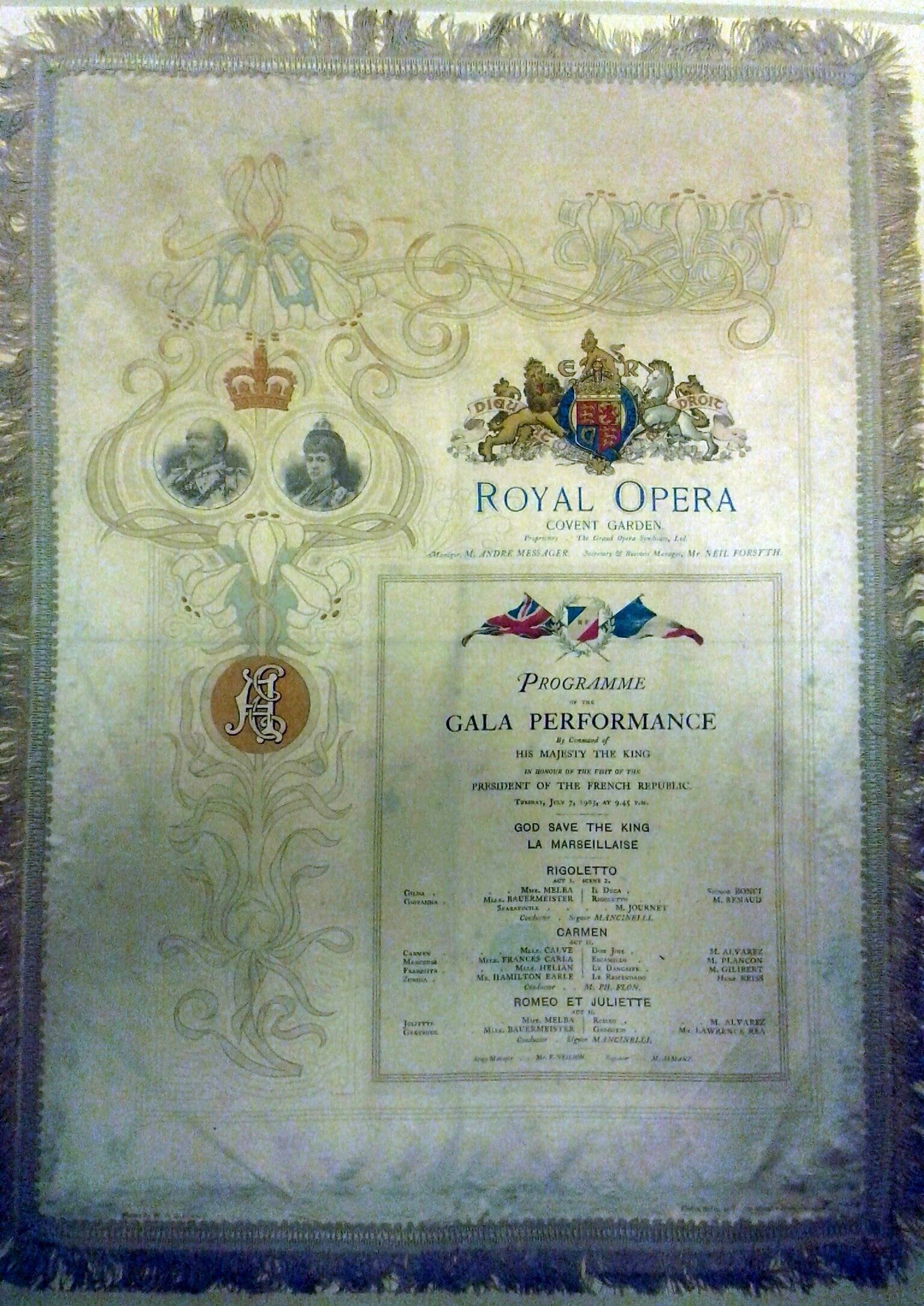 Pure Ephemera – or Not November 21st, 2014 You can’t tell the players without scorecard, as the old baseball metaphor goes, and in classical music, we use the program for the same purpose – who’s singing / playing / responsible for what. In UK theatres, you still buy
 -
 Florestan and Eusebius
Robert Schumann: Violin Sonata No. 2 in D minor, Op. 121 November 20th, 2014Robert Schumann composed in intense spurts of creative hyperactivity, generally focusing on a single genre. When he locked himself into his Düsseldorf study in October 1851, Clara Schumann excitedly reported in her diary. “Robert is working away on something new. -
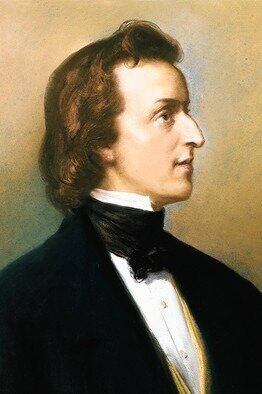 In the Night: Pascal Amoyel and Chopin’s Nocturnes November 18th, 2014 Although it has an older meaning, when we think of the “nocturne” we think of Frederic Chopin. He took his inspiration from the Irish composer John Field whose works were the first to take the title to the piano. A
 -
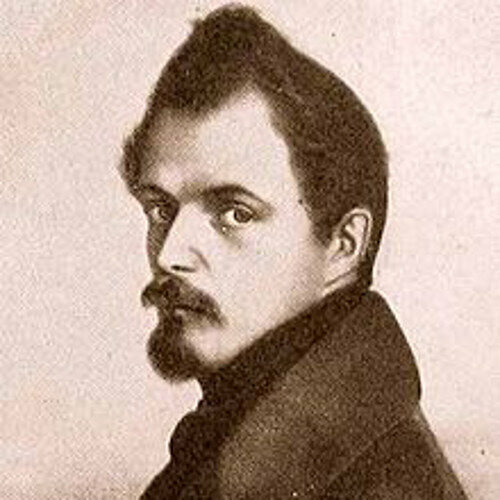 Adolf von Henselt November 17th, 2014 The (Almost) Forgotten Piano Wizard! Between 1809 and 1814 six remarkable composers were born; Mendelssohn, Chopin, Schumann, Liszt, Thalberg and Adolf von Henselt (1814-89). Surely you have heard of the first five, but what about Henselt? Make no mistake, during
 -
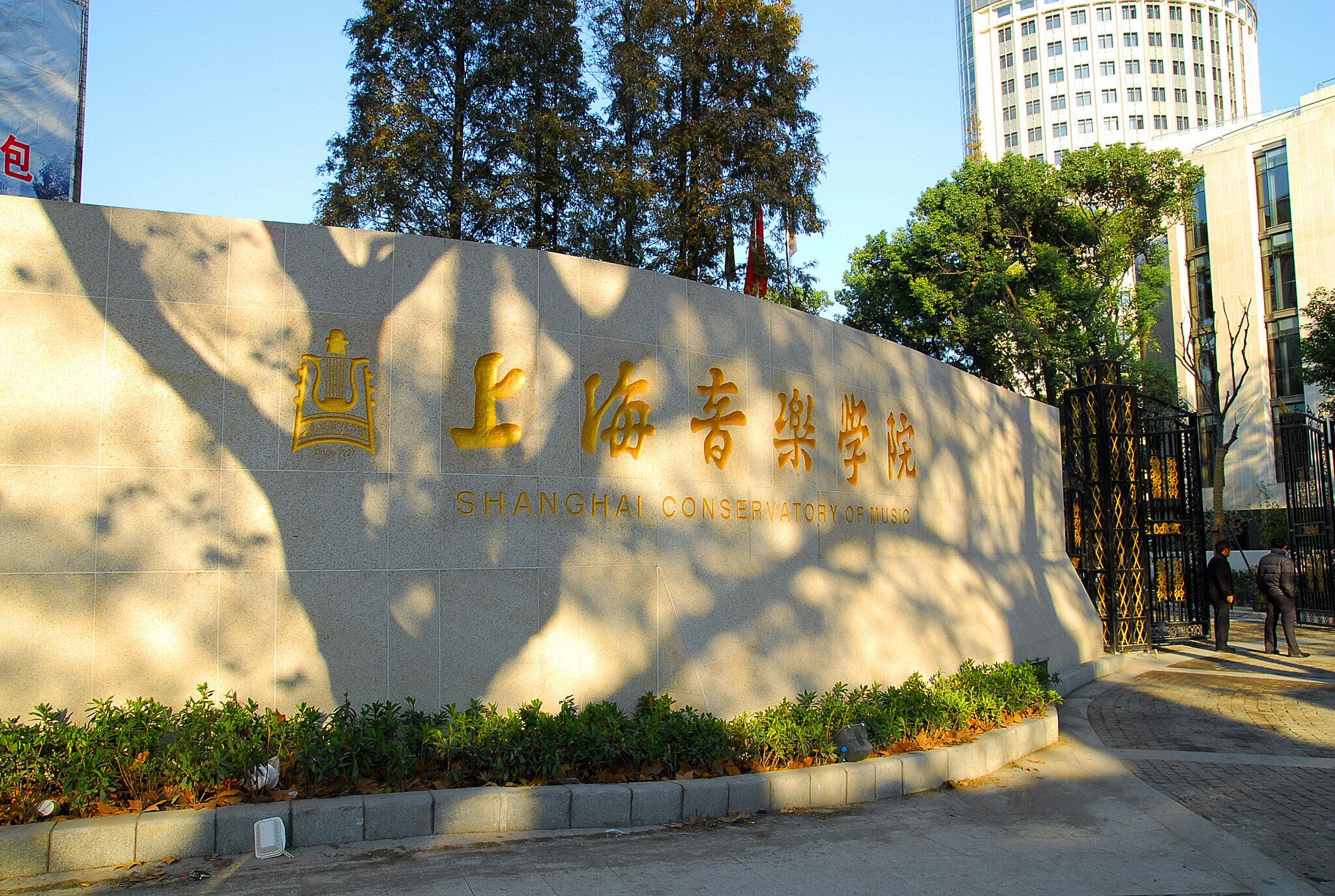 Shanghai Conservatory of Music November 16th, 2014 The Shanghai Conservatory of Music is one of the most competitive musical education institutions in China. The Conservatory’s Vice President, Zhang Xiangping, and Zhou Xianglin, the director of teaching and study affairs, filled me in on how training at Shanghai
 -
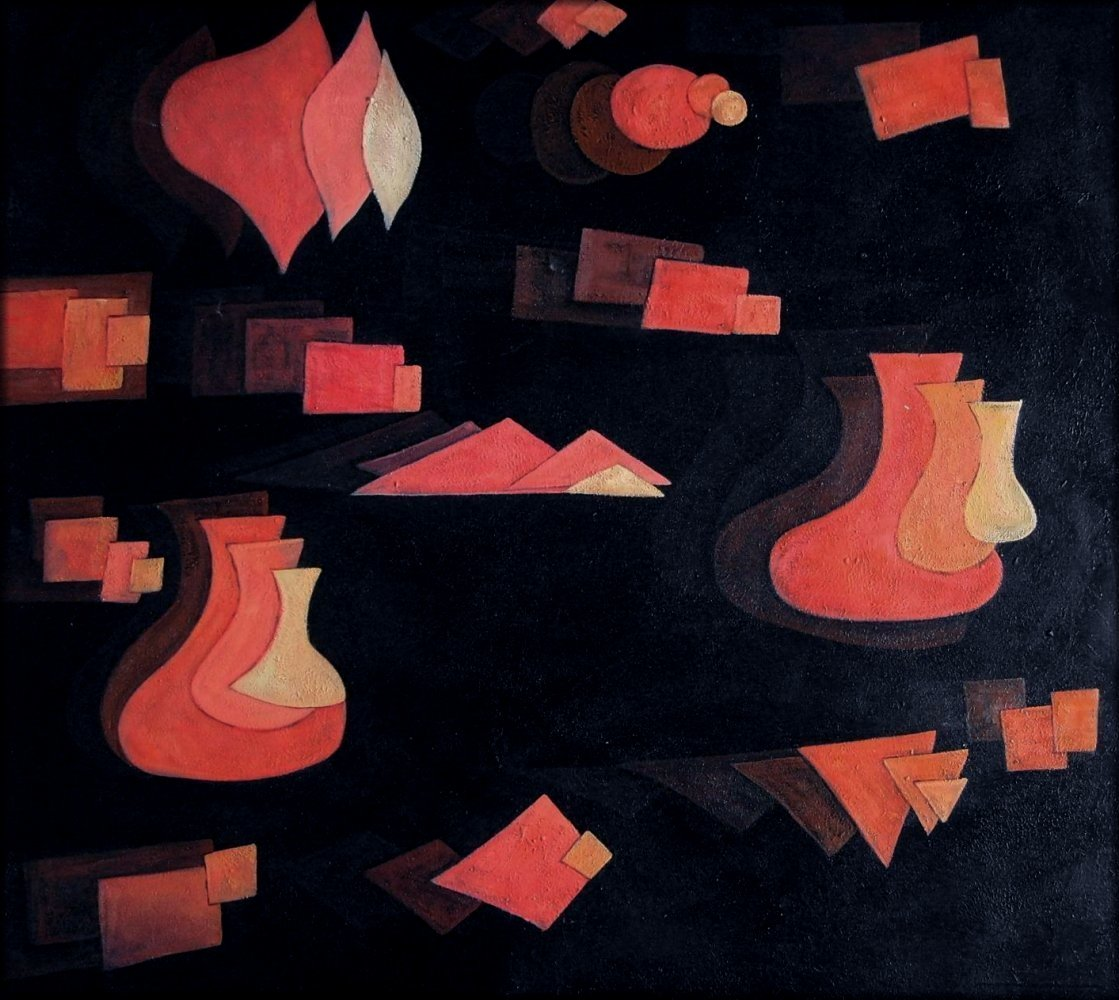 Paul Klee: Fugue in Red November 15th, 2014 Paul Klee (1879-1940) craved the freedom to explore radical and modernist experimentations in his paintings. In music, however, he could never come to terms with contemporary works of Schoenberg, Berg and Webern. In fact, he even disliked the compositions of
 -
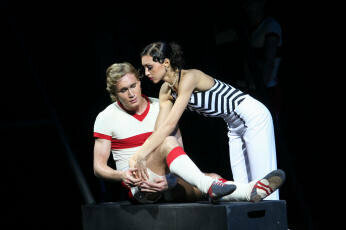 Shostakovich and The (Soviet) Golden Age November 14th, 2014 Joseph Stalin was not a particularly nice man! Once he had consolidated near-absolute power in the 1930’s, he ruthlessly eliminated any opposition. That meant banishing “counter-revolutionary infiltrators” to the Gulag labour camps, deported nonconformists to the furthest regions of the