
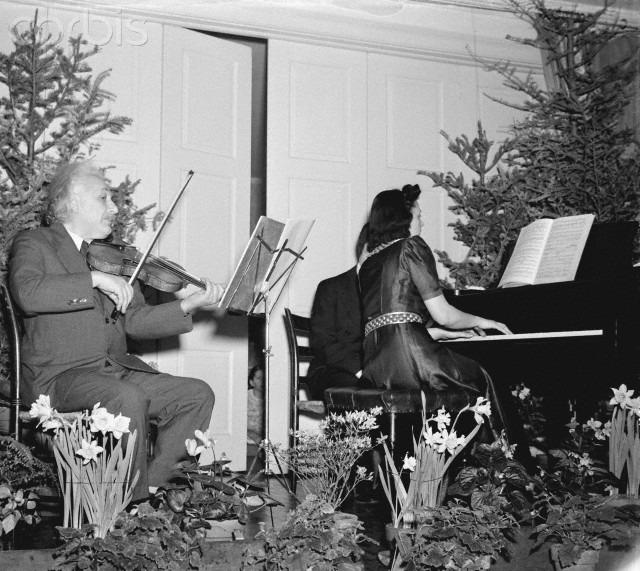
Artists tend to find inspiration everywhere; in food, unrequited love, the beauty of nature or even in a textbook on physics! It so happened when Bohuslav Martinů met Albert Einstein in December 1943. Both men had been forced to escape
In essence
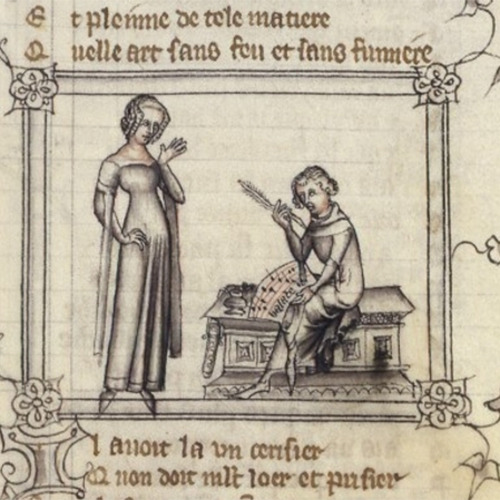
It has long been suspected that intense sexual relationships are an impediment to artistic creativity. Don’t take my word for it, just read what Frédéric Chopin had to say about the disastrous effect the Countess Delphina Potocka had on his
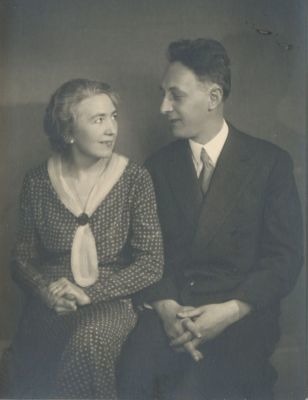
Ernest Hemingway once famously wrote, “If you are lucky enough to have lived in Paris as a young man, then wherever you go for the rest of your life, it stays with you, for Paris is a moveable feast.” For
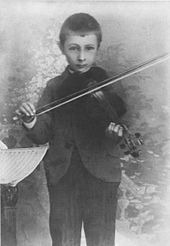
At the tender age of 5, Bohuslav Martinů gave his first public performance as a solo violinist in his hometown of Polička. The townspeople immediately recognized his exceptional talent and eventually raised enough money to fund his musical education. Martinů
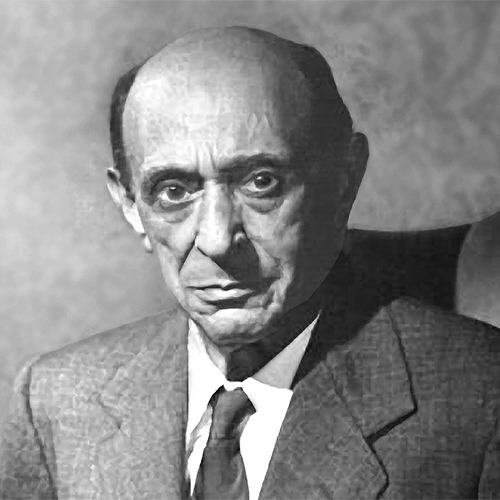
Arnold Schoenberg (1874-1951) rightfully considered himself the musical successor to both Richard Wagner and Johannes Brahms. Simultaneously extending their traditionally opposed German Romantic styles, Schoenberg started work on a song cycle for soprano, tenor and piano in 1900. For his
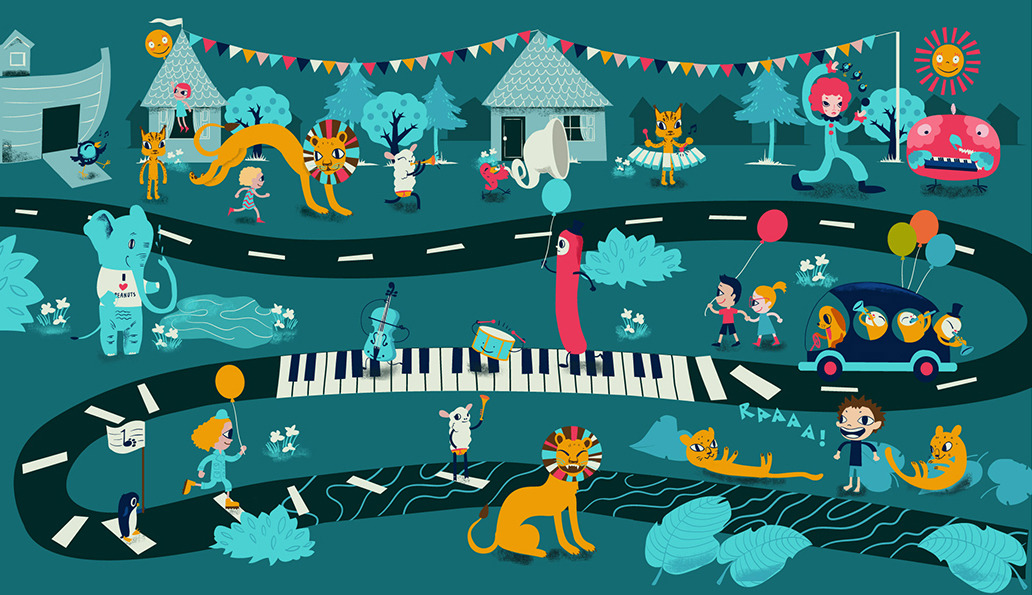
When you’re tired of the television jingles and interminable repetitions of “The Wheels on the Bus,” you’re ready to explore the world of music that appeals to children. Much as we wish they would love the music that stimulates our
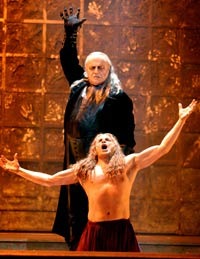
Dying is an essential part of just about every opera plot. Whether husbands or male lovers act out of jealousy, or wives or female lovers go mad, opera has given us a delectable variety of violent and unnatural deaths. Yet
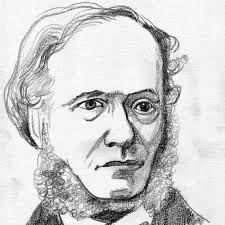
In 1843, César Franck began work on his first non-chamber work, the oratorio Ruth. The libretto by Alexandre Guillemin is inspired by the biblical “Book of Ruth” and arranged in the manner of an operatic text. In fact, the three-part