
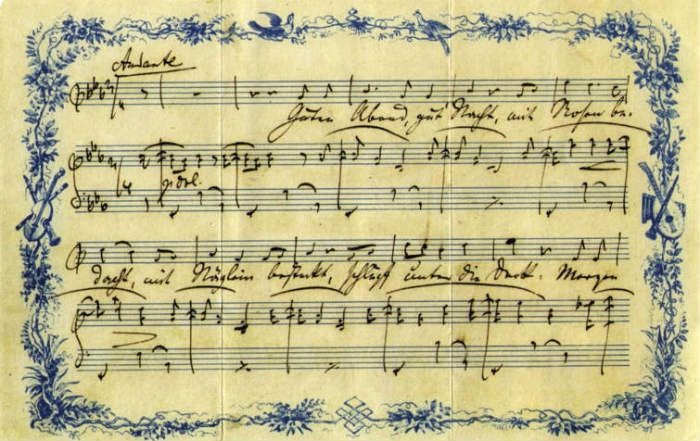
Between 1859 and 1862, Johannes Brahms eagerly participated in the musical and social life of his native city of Hamburg. Clearly, he was looking to establish the foundations for what he hoped would be a lifelong career in his hometown.
In essence
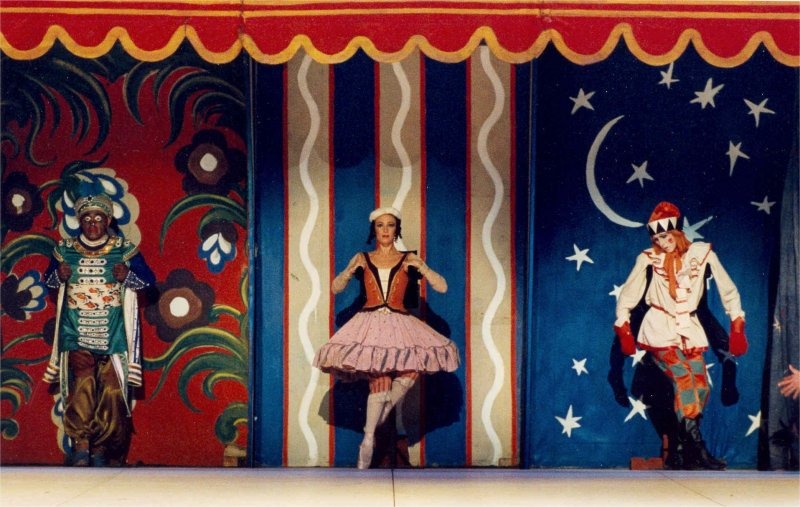
Igor Stravinsky (1882-1971) wrote his ballet Petrushka as a classic love triangle, but told through the story of three puppets. Petrushka loves the Ballerina, the Ballerina loves the Moor, and the Moor hates Petrushka. The work uses the traditions of
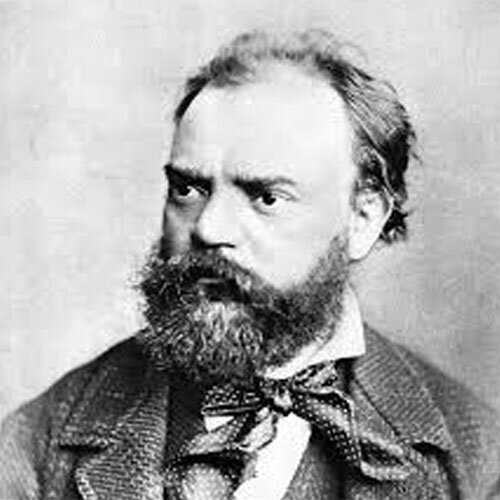
With his Cello Concerto in B minor, Op.104, Antonín Dvořák created one of the all-time greatest works in the genre. Yet curiously, Dvořák had written in 1865, “The cello is a beautiful instrument, but its place is in the orchestra
“Minors of the Majors” invites you to discover compositions by the great classical composers that for one reason or another have not reached the musical mainstream. Please enjoy, and keep listening! Chopin arrived in Paris in the middle of September
In 1921, Maurice Ravel moved to a tiny villa outside of Paris, close to both culture and countryside. He named his cramped cottage “Belvedere.” It was his first house, and his dream house, and the last he ever had. Inside
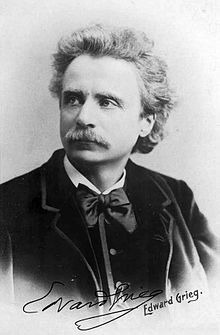
In Act II of Edvard Grieg’s music of the play Peer Gynt, our eponymous hero enters the hall of the mountain king. As the scene’s introduction describes: “There is a great crowd of troll courtiers, gnomes and goblins. The Troll
“Minors of the Majors” invites you to discover compositions by the great classical composers that for one reason or another have not reached the musical mainstream. Please enjoy, and keep listening!
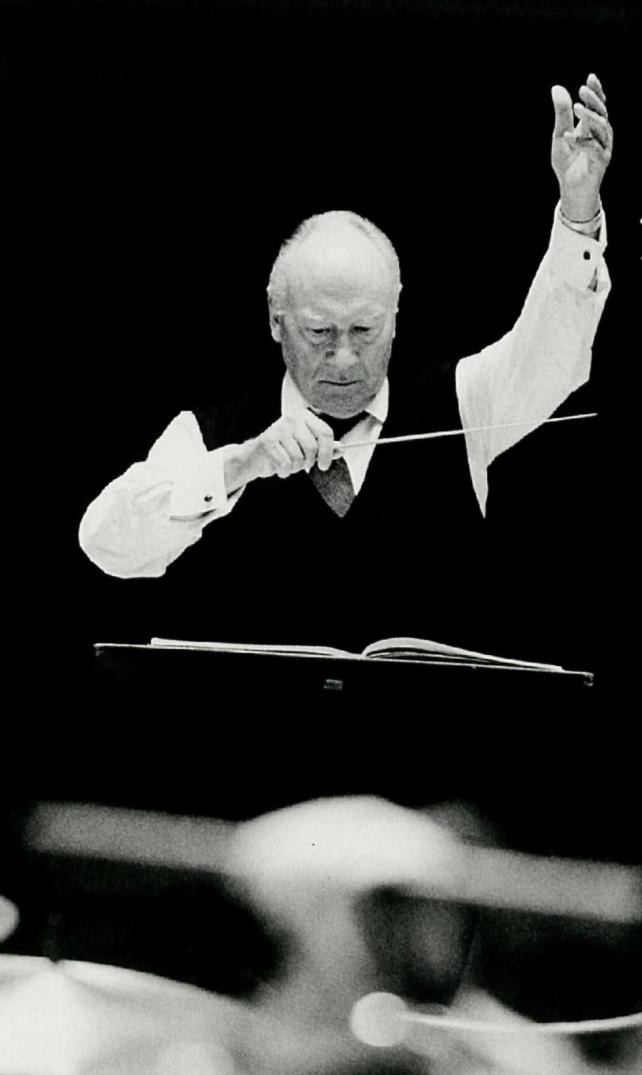
Without the extraordinary generosity of legendary conductor, patron, and impresario Paul Sacher, a myriad of masterworks by twentieth-century composers would simply not exist. An artist of unusual stature and one of the world’s richest men—he married the heiress of the