
When Giacomo Puccini (1858-1924) was commissioned to compose a new opera in 1884, his choice of story fell on Edgar, a tragedy inspired by La coupe et les lèvres by Alfred de Musset. The librettist Ferdinando Fontana took some liberties,
Poetry
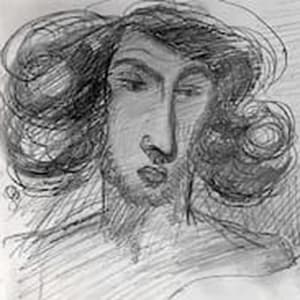
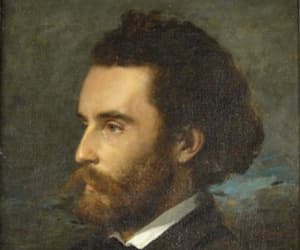
Alfred de Musset published his first collection of poems, Contes d’Espagne et d’Italie (Tales of Spain and Italy) in 1829. He strongly believed that the inspiration of the poet was intricately connected to personal emotions. Poetry was highly personal and
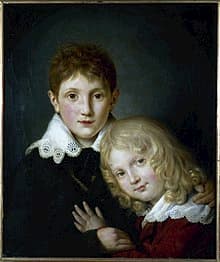
On the basis of his sentimental and declamatory verse, Alfred de Musset has not been well judged by mid-twentieth-century criticism. Yet, Musset is perhaps the first French poet since the Renaissance to make humor a vehicle for impulses essentially lyrical.
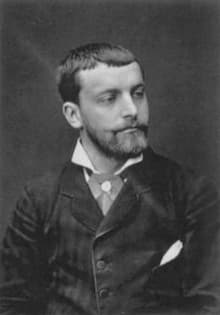
Arthur Rimbaud was highly critical of Alfred de Musset’s work. In his “Letters of a Seer” he wrote, “Musset did not accomplish anything because he closed his eyes before the visions.” Just exactly what visions Rimbaud had in mind we
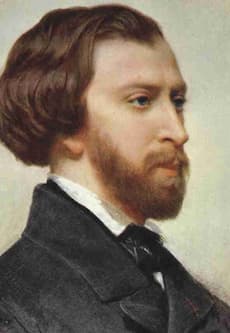
The French dramatist, poet and novelist Alfred de Musset (1810-1857) is probably best known for his autobiographical novel La Confession d’un enfant du siècle (The Confession of a Child of the Century). It was inspired by his scandalous real-time affair
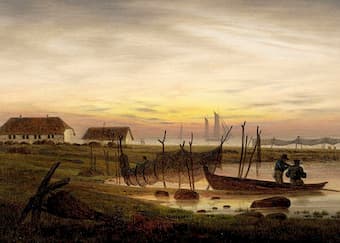
The German Romantic painter Caspar David Friedrich (1774-1840) is best known for his allegorical landscapes. Contemplating nature, he sought to convey a subjective, emotional response to the natural world. He was looking not just to explore the blissful enjoyment of
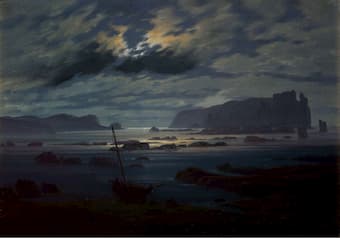
Joseph von Eichendorff was the quintessential poet of the German landscape. His indirect mode of representation is almost pictorial. Fields, trees, woods, river and streams conjure up images experienced at morning, noon, evening, dusk, and night. Each moment has its
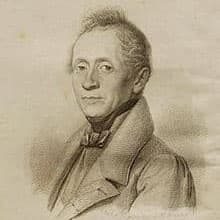
Joseph von Eichendorff’s poetry addresses a number of basic concepts, including the passing of time and nostalgia. Time for Eichendorff “is not just a natural phenomenon but each day and each of our nights have a metaphysical dimension.” The morning,