
After years of attending concerts, we wonder if it’s time for a rethink. We were recently at a couple of concerts that just needed a new idea. They were doing the standard setup of opening with a Light Piece (under
Articles
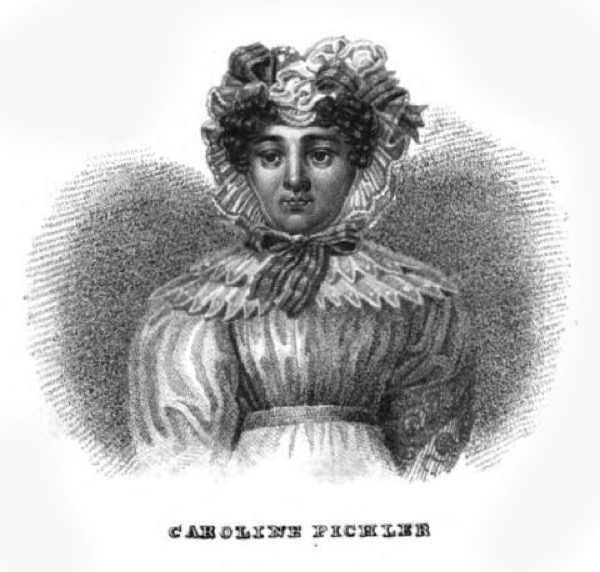
Mozart had many students over the course of his career – but some of his most gifted pupils were women. He wrote music for them, praised their talent in letters to his father, and in at least one case declared
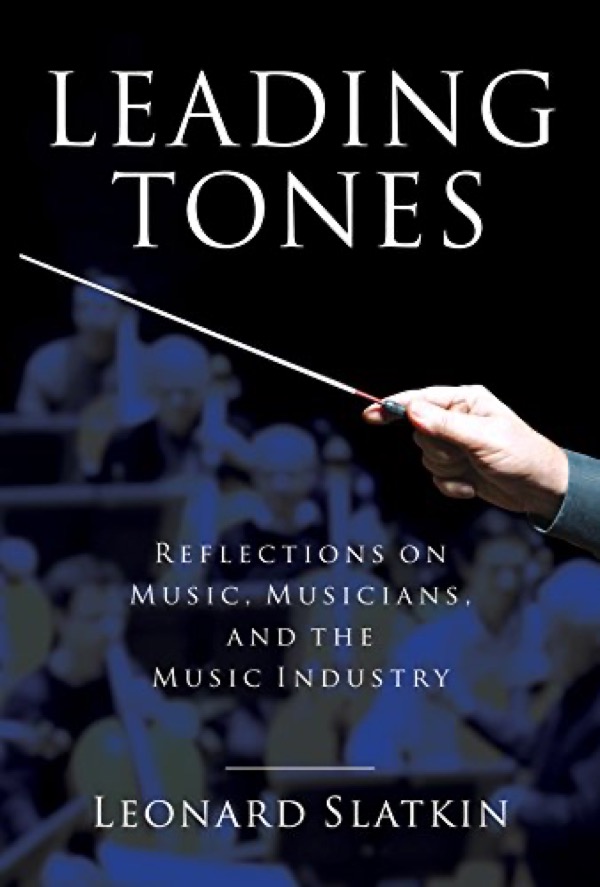
The exceptional conductor, composer and author Leonard Slatkin was born into a Russian-Jewish family on 1 September 1944. His grand-uncle was a cellist, and when he came to America, he founded the Russian Symphony Orchestra in the early 1900s. His
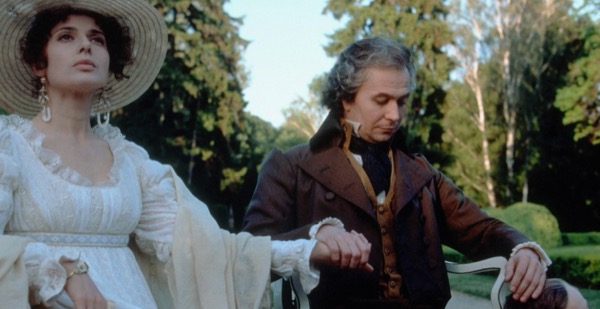
The 1994 film Immortal Beloved, about the mysterious woman Beethoven called his “Immortal Beloved”, is one of the more famous composer biopic movies. It begins with the death of Beethoven and follows the journey of his secretary, Anton Schindler, as
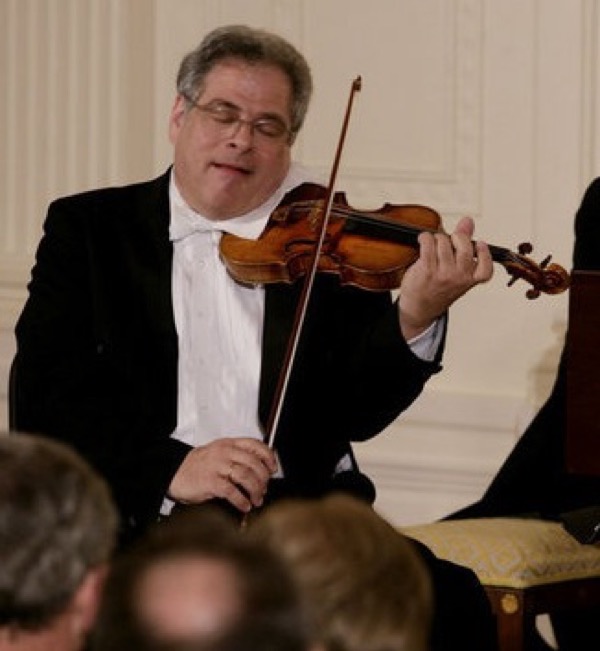
The musical journey of Itzhak Perlman, born in Tel Aviv on 31 August 1945, from young prodigy to one of the world’s most celebrated violinists, is a testament to his unyielding spirit and extraordinary talent. Stricken with polio at the
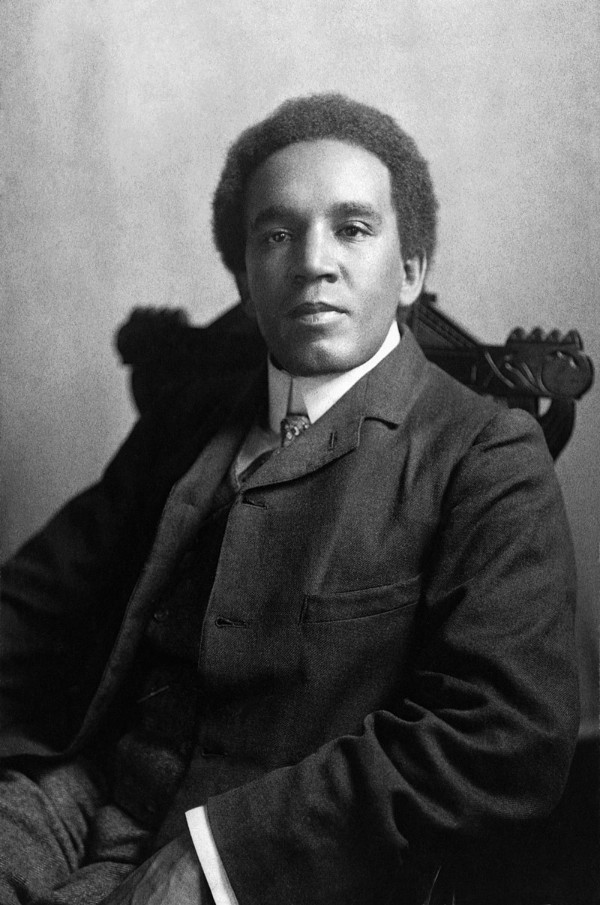
September’s classical music anniversaries span both continents and centuries – from a 12th-century abbess who preached at a time when women were forbidden to speak in church, to a 20th-century violinist who spent World War II translating for a government
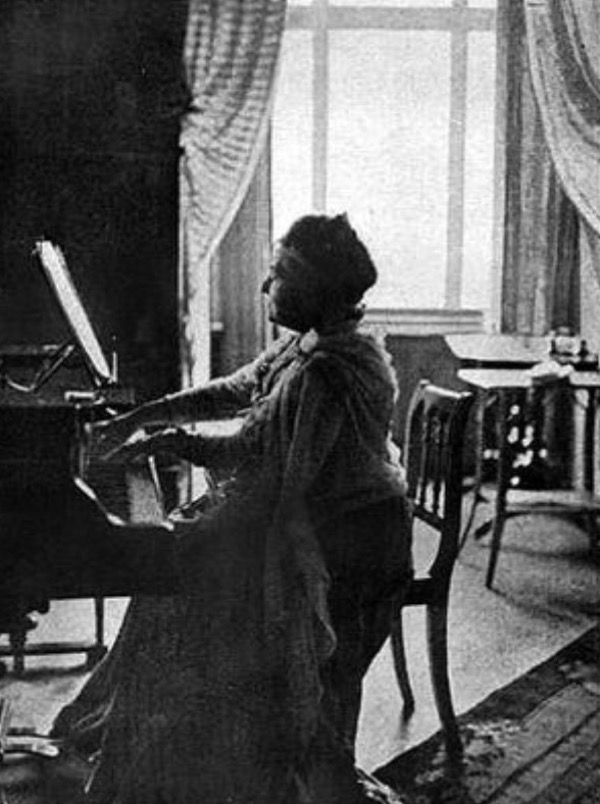
Many classical music lovers know the broad strokes of the life and career of Clara Wieck Schumann: she was a renowned prodigy, her father, Friedrich, tried to keep her from marrying her true love, Robert Schumann, and she went on
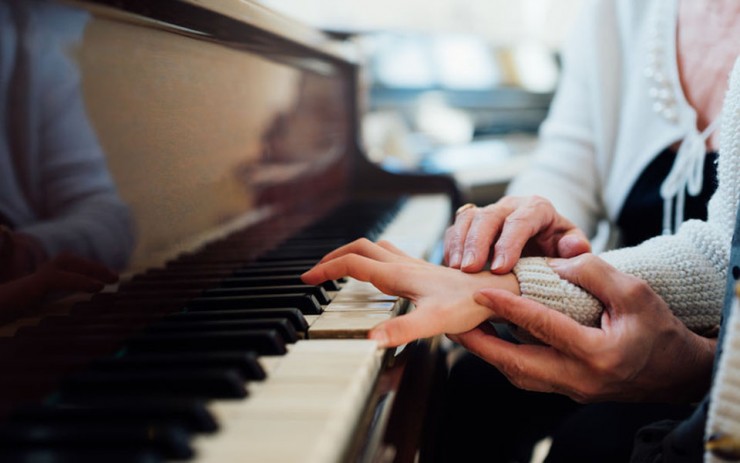
If you’re wondering how to find a music teacher, you’re not alone – and it’s harder than it looks. A Google search will favour teachers with optimised websites, which means the best teacher in your community might not show up