
In my first article, I discussed how musicians can judge when it’s time to ‘let go’ of a piece of music and decide it is ready for performance or should be put aside for a while. In this second part
Articles

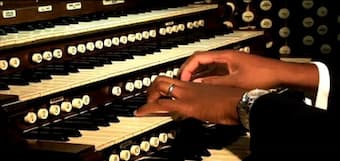
There are always pieces that classical music lovers have heard so many times to the extent of finding them annoying. Yet I’d like to invite you to re-visit some of them and perhaps you will discover something interesting! Bach: Toccata
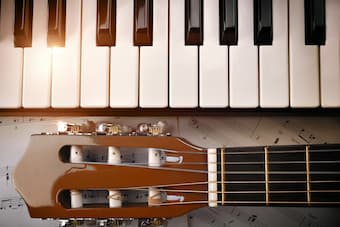
The guitar and the piano. From a composer’s point of view they are both small-sized orchestras; although one slightly more portable than the other. They have been used by musicians, and particularly composers — unstoppably since their invention, and for
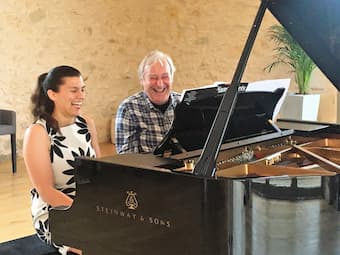
Alan Rusbridger, journalist and former editor-in-chief of The Guardian newspaper, gave us some fascinating insights into the world of the amateur pianist in his 2013 book ‘Play It Again’ – a world hitherto regarded by many as the realm of
GRADUAL RETURN Now that live concerts are becoming more of a reality, I’ve been approached by several musicians about how to safely return to playing after a hiatus without injuring ourselves. It’s essential to return gradually. Begin with 10 minutes.
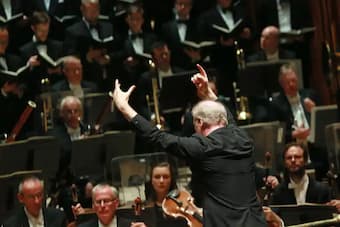
If there is one art form that wears its passion on its sleeve, it is classical music. Images of conductors in full flight have become the go-to photos and videos for people who are looking to express visually the passion

Vincenzo Bellini (1801-1835) was the undisputed master of writing gorgeous melodies. Sensuous in expression and pure in style, Bellini was closely connected with the “bel canto” style of the great singers of his day. In his music, he always looked
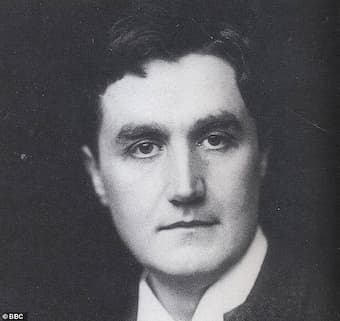
In 2020, Ralph Vaughan Williams’ ‘The Lark Ascending’ topped Classic FM’s Hall of Fame as Britain’s most favourite piece of classical music. And it’s not the first time this piece has topped a poll of listeners – in fact it’s