
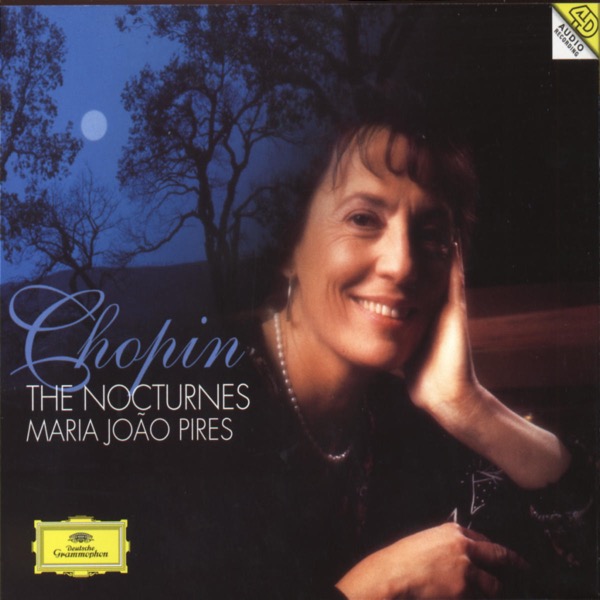
Born on 23 July 1944 in Lisbon, Portugal, Maria João Pires is one of the most introspective artists of our time. Her playing is a study in poetic refinement that reveals an almost spiritual connection to the music. Her recordings
On This Day
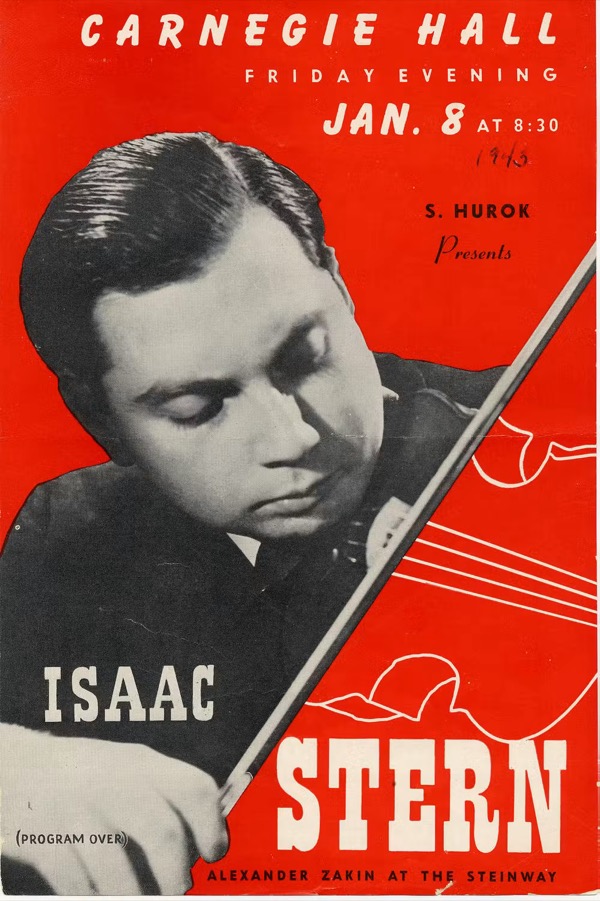
When one of the most famous performance spaces in America came under threat in the 1960s, it was one violinist who marshalled support and stopped the imminent destruction of Carnegie Hall. Located at the corner of 57th Street and 7th
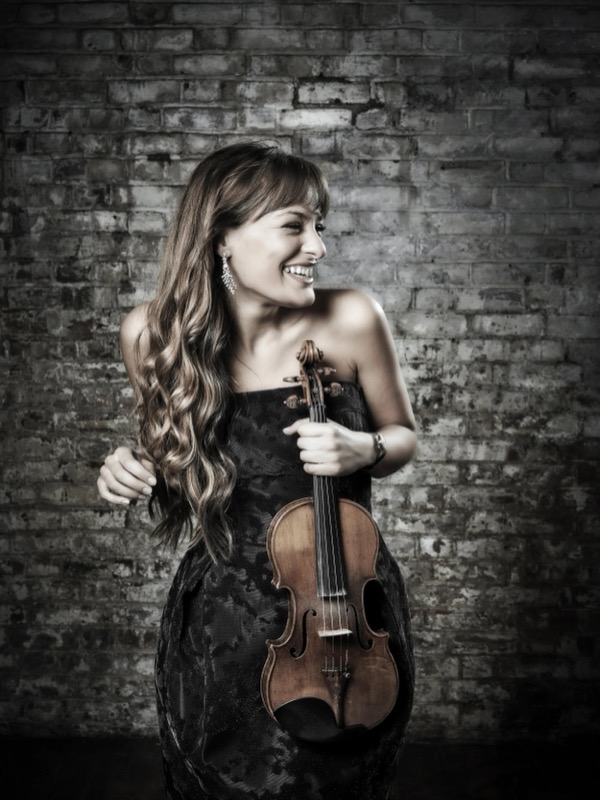
Released in 2025, Nicola Benedetti‘s Violin Café is one of her most personal and unusual projects to date. In a shift away from the large-scale concerto repertoire that has dominated much of her discography, Benedetti curated a programme that abandons

Commended by the French government in 2020 for her significant contributions to the arts, the Franco-Italian mezzo-soprano Lea Desandre has established herself as a leading voice in early-music performance. Desandre started her career as a ballet dancer, and to celebrate
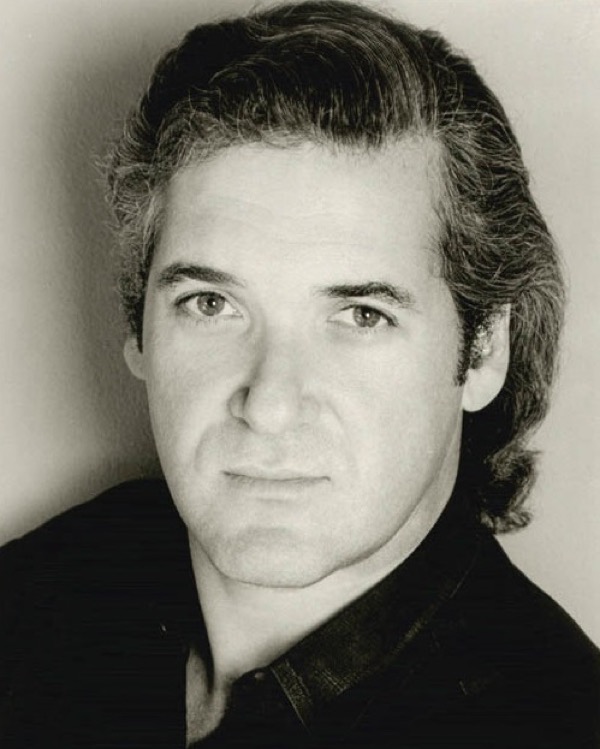
When you put the three leading violinists in close proximity, you can expect fireworks! Isaac Stern (1920–2001) was the leader. Itzhak Perlman (b. 1945) was born in Tel Aviv and came to New York at age 13 to study at
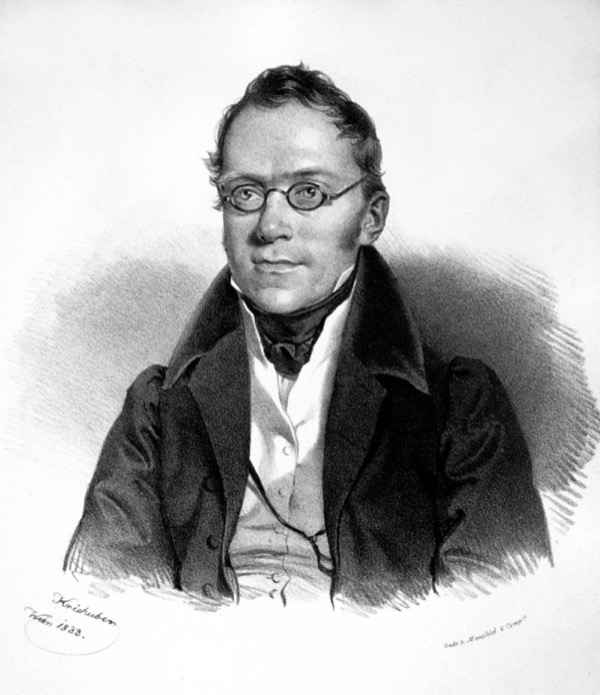
Carl Czerny was an incredibly industrious musician, teaching Franz Liszt and Theodor Leschetizky and thereby training the two most important piano teachers of the 19th century. He gave as many as ten or twelve lessons a day, yet he still
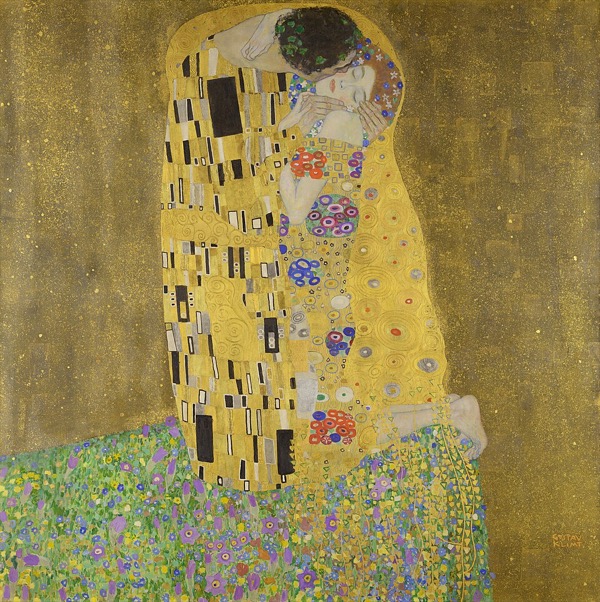
Austrian painter Gustav Klimt (14 July 1862–6 February 1918) was an important figure in the development of the Art Nouveau style in Europe. His fascination was the female figure, and many of his works were considered obscene for their eroticism.
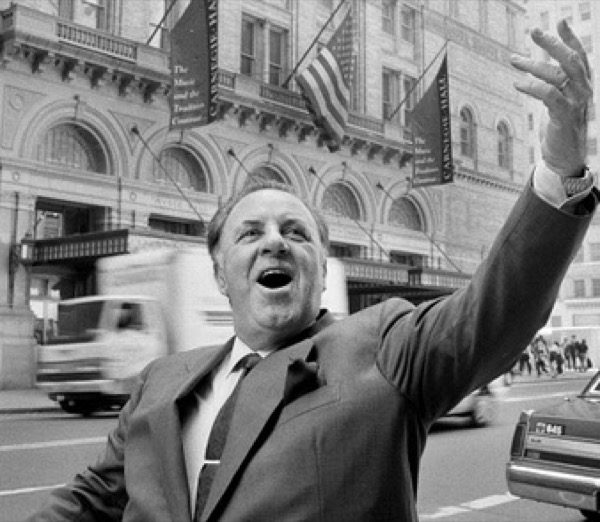
The legendary Italian tenor Carlo Bergonzi (1924-2014) is widely considered one of the finest interpreters of Giuseppe Verdi‘s tenor roles in the twentieth century. His elegant vocal technique combined nobility with great expressive warmth. To celebrate his birthday on 13