
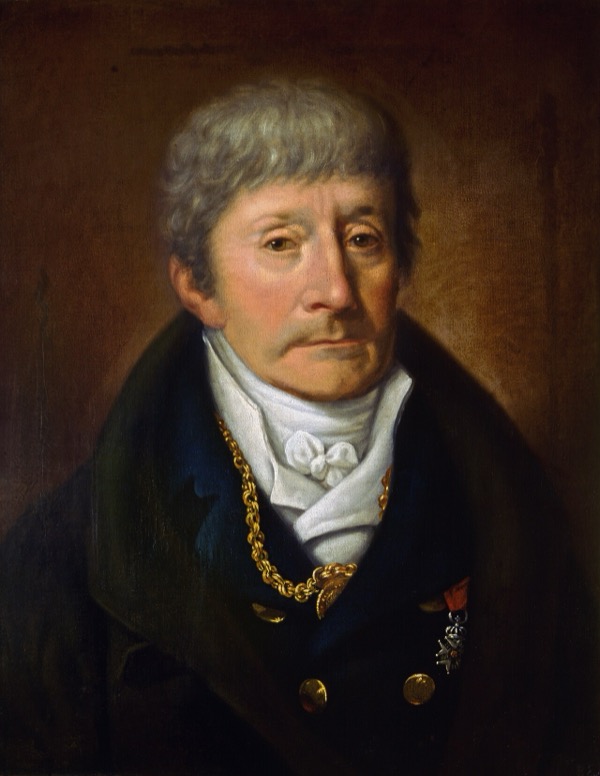
Antonio Salieri’s reputation has long been marred by a narrative that casts him as a jealous rival who poisoned Wolfgang Amadeus Mozart. Unsupported by historical evidence, the two composers shared a professional relationship marked by mutual respect. In fact, Salieri
On This Day
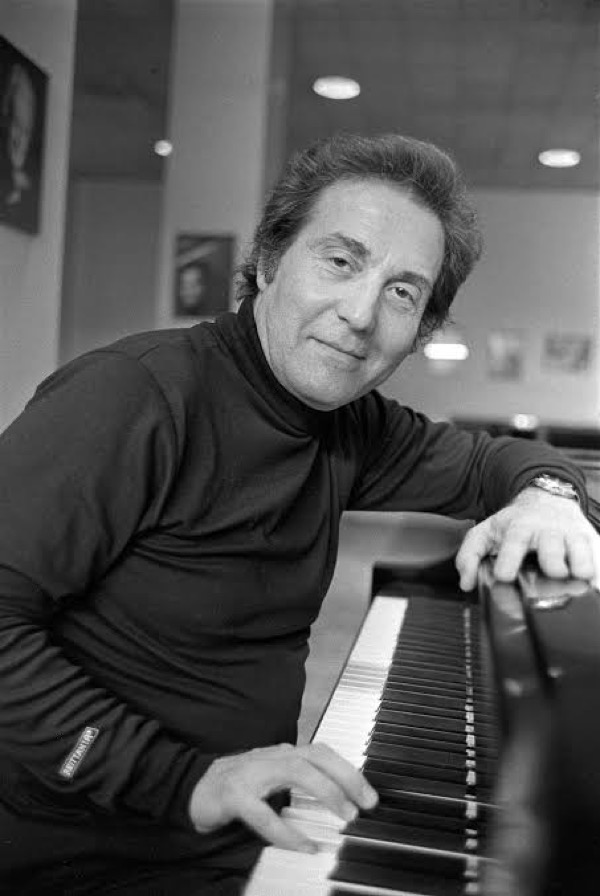
The French pianist Aldo Ciccolini was born on 15 August 1925 in Naples, Italy, but he made his home in Paris in the late 1940s. His artistry was a rare blend of precision and sensitivity, making his performances both captivating
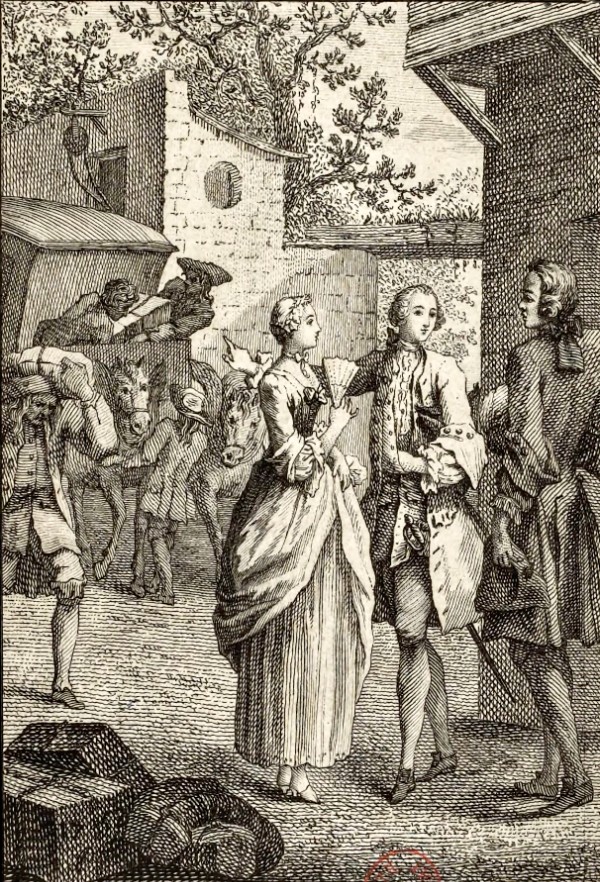
Famous stories have frequently been turned into operas by different composers. “Romeo and Juliet” was set to music by Vincenzo Bellini in 1830 as I Capuleti e i Montecchi, with Charles Gounod composing his version in 1867. Giovanni Paisiello composed
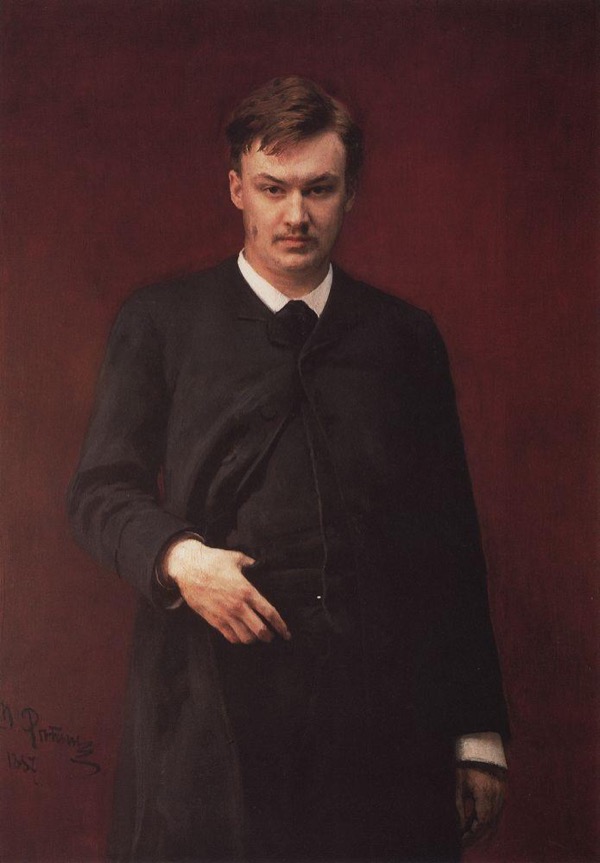
Alexander Glazunov, born on 10 August 1865, was Russia’s greatest symphonist in the generation immediately following Tchaikovsky, and he subsequently passed down his legacy to his most famous student, Dmitri Shostakovich. A prodigious musical talent, Glazunov began his studies with
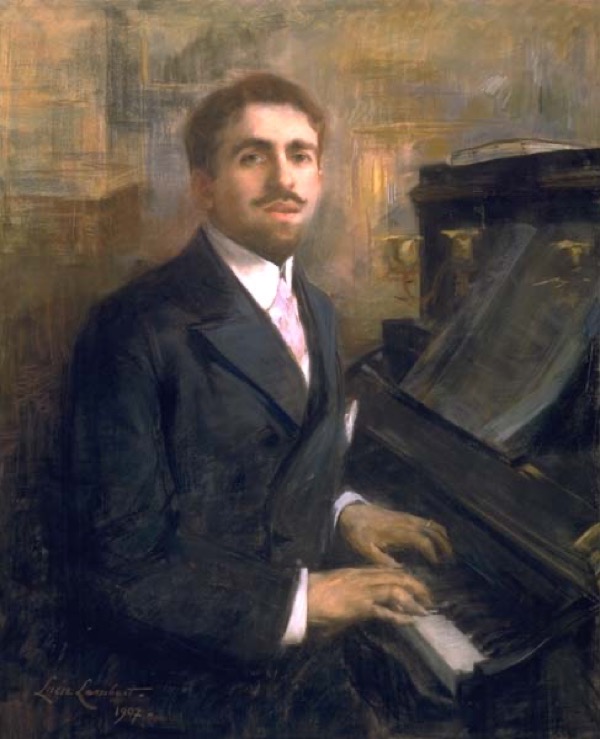
Reynaldo Hahn, born on 9 August 1874 (1874–1947), is widely known for his beautiful art songs that capture emotion with elegance and subtlety. It is hard to believe, but his French mélodies were initially dismissed as merely evocative of the
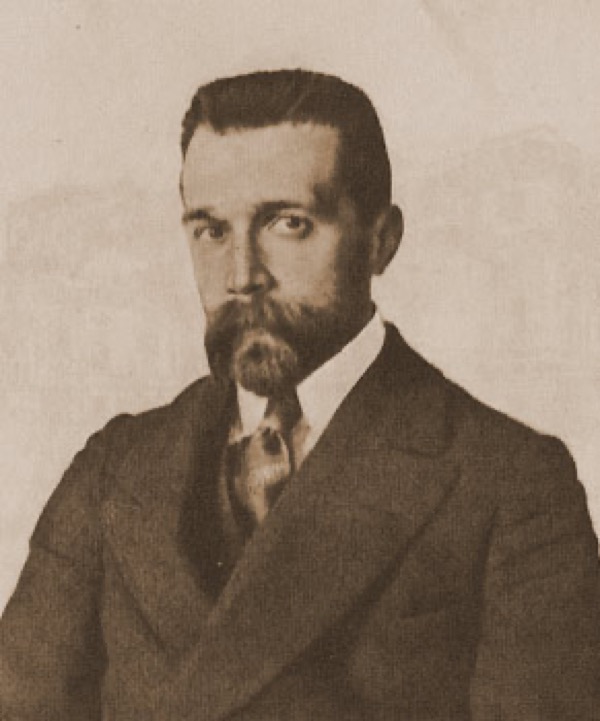
The prolific Russian-Soviet composer Nikolai Myaskovsky (1881-1950) is sometimes referred to as the “Father of the Soviet Symphony.” Throughout his career, ranging from pre-Revolutionary Russia to the late Stalin era, he composed a total of 27 symphonies. In terms of
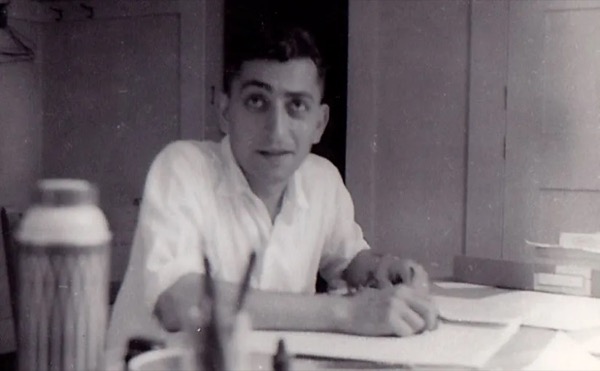
At the height of his career, cellist Gregor Piatigorsky (1903-1976) was widely considered one of the greatest string players of all time. His playing possessed a glorious low-register sound, and his vibrant tone had infinite shadings. Piatigorsky was able to
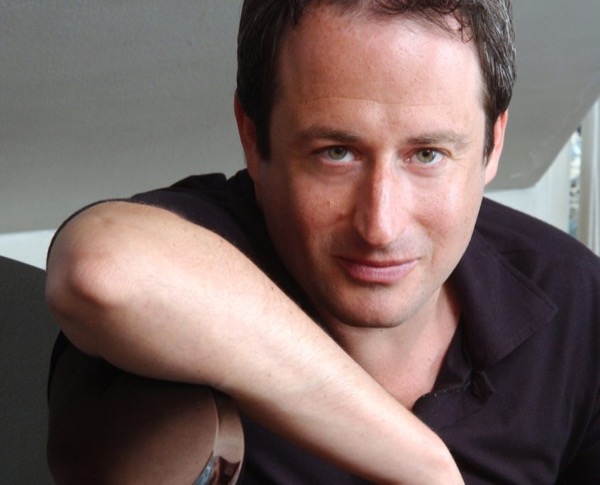
Born on 3 August 1970 in Vilnius, Lithuania, Itamar Golan has collaborated with the most outstanding instrumentalists of our time for more than three decades. Since his early years, Itamar Golan’s passion has been chamber music, and his contributions are