
The history of classical music is filled with extraordinary lives – and, in some cases, extraordinarily unsettling deaths. In Part 2 of our series on strange composer deaths, we move into the twentieth century – an era shaped by modern
Blogs
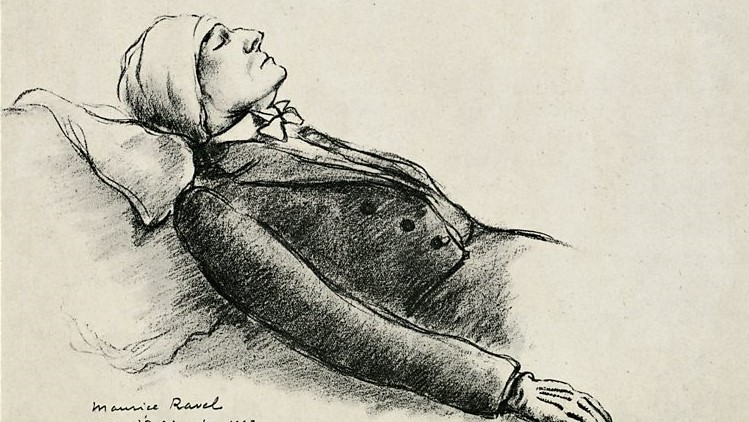
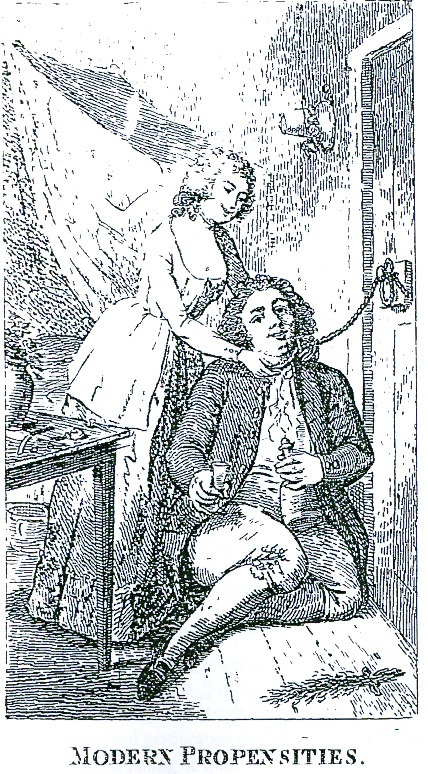
Classical music history is often viewed with reverence, but behind many of its most celebrated scores lie some very messy stories of real life – and death. Across the Baroque, Classical, and Romantic eras, a surprising number of composers met

When you’re working from home and on deadline, not all classical music is created equal. Today, we’re looking at the best classical music to listen to while working from home, organised by the kind of work you’re trying to do.
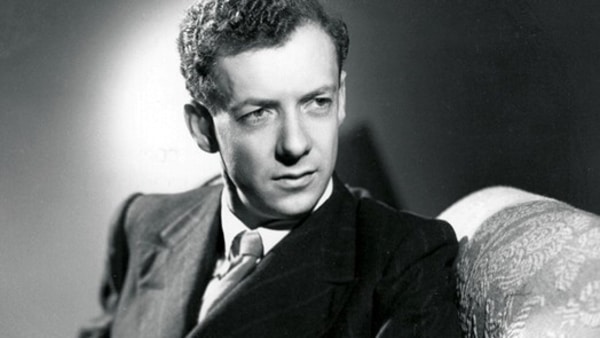
Over the centuries, nocturnes – from the French word nocturnal – have been many things to composers: social entertainment, private confession, dreamscapes, and more. Nocturnes were initially written as outdoor serenades for aristocrats. But during the Romantic era, the nocturne’s
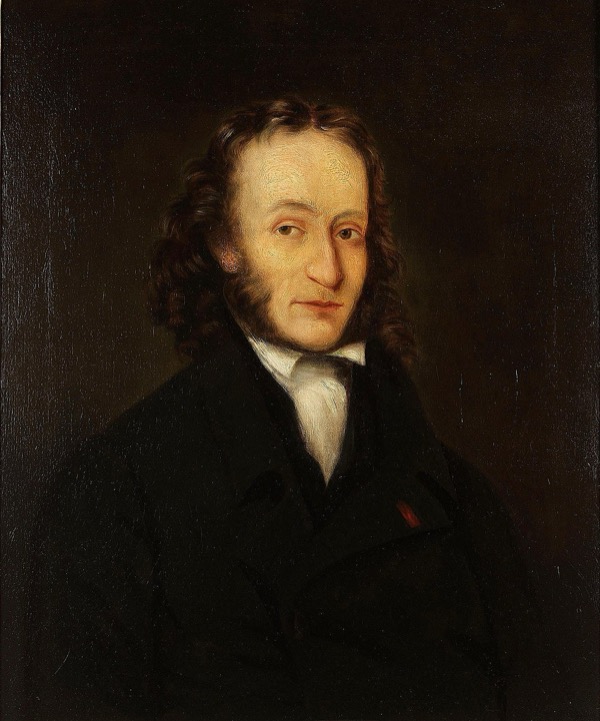
We forget that violin virtuoso Niccolò Paganini was also a virtuoso on other instruments. He encouraged Hector Berlioz to write Harold in Italy for the debut of his new Stradivarius viola (although he turned the work down in the end
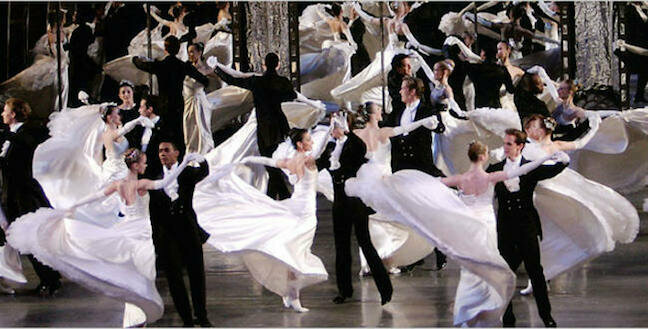
The waltz began life in the 18th century as a triple-meter dance popular in impoverished Austrian towns. No one could have predicted that it would become a metaphor for imperial glamour, psychological instability, and even civilizational collapse. Today, we’re looking
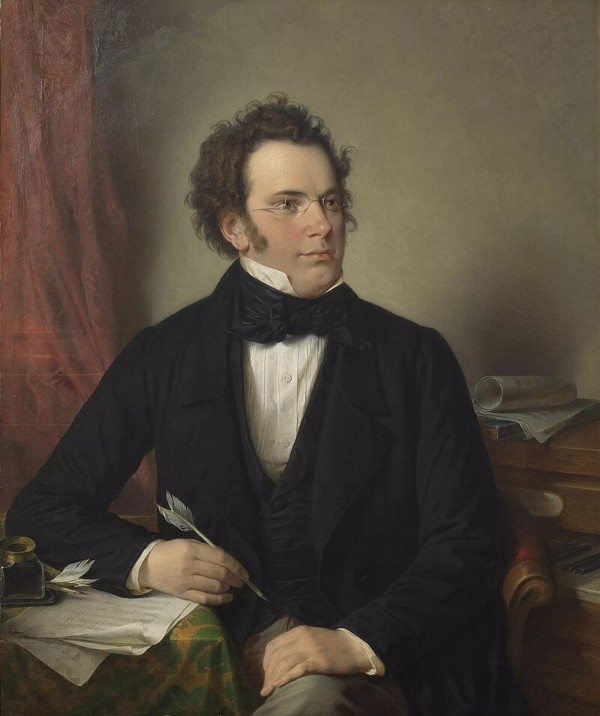
Few works in the orchestral repertoire have had a stranger journey to the concert hall than Franz Schubert’s Symphony No. 9 in C major, often nicknamed the “Great” C-major Symphony. For one, it started with composer Robert Schumann rediscovering the
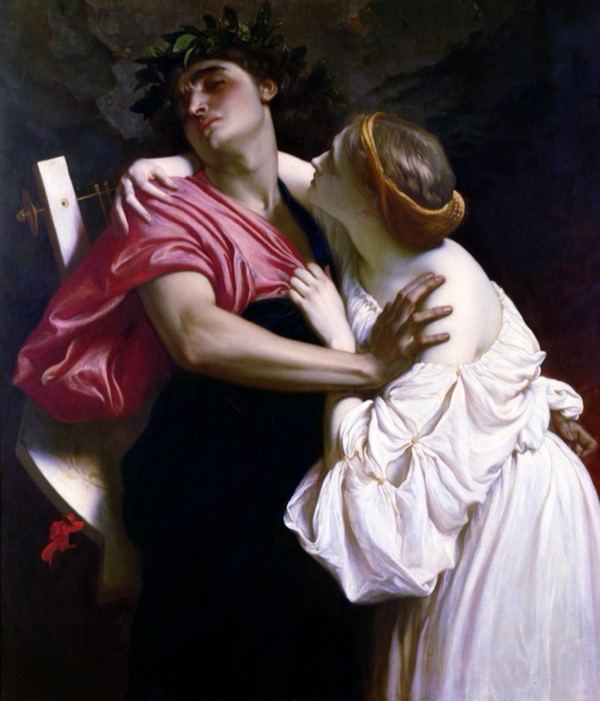
When we listen to Claudio Monteverdi‘s L’Orfeo today, we often treat it as the “first” great opera. But the documents surrounding its 1607 premiere and the 1609 score reveal a work that was bleeding, experimental, and deeply conflicted. To understand