Some pieces of music reveal themselves gradually, while others confront you from the very beginning. Avet Terterian (1929–1994)’s Symphony No. 3 belongs to the latter. Listening to this recent recording by the Armenian State Symphony Orchestra, conducted by Sergey Smbatyan, I was struck almost immediately by how unusual the work sounds. It does not feel like a conventional symphony. Instead, it draws attention to colour, texture, silence, and the sheer physical presence of sound.
The music catches the attention right away. The first movement opens with an extended percussion passage before other instruments come in. That is a long time to listen to percussion before the orchestra really opens up, but the length is strangely effective. Rather than becoming simply repetitive, it creates a feeling of anticipation. The listener is left waiting for something to happen.
Then, suddenly, the percussion stops.
The change is almost eerie. Some winds and strings still linger in the background, but without the percussion, the sound feels unexpectedly empty and exposed. After the extended percussion passage, the sudden change creates a strong sense of space and anticipation. When the orchestra builds again, the contrast makes the music feel even more dramatic.
From there, the first movement becomes increasingly colourful and dramatic. The zurna’s appearance is particularly striking. Its sound is so different from the conventional orchestral instruments around it that it almost seems to come from another musical world. Combined with the percussion and brass, it gives the movement a raw and somewhat primal quality. Rather than relying on a traditional melodic line, Terterian builds much of the movement through sound, texture, and contrast.
That makes the second movement even more surprising.
The duduk enters, and suddenly the enormous sound world of the first movement seems to disappear. The duduk is a traditional Armenian instrument, and its sound is immediately distinctive: warm, breathy, and mournful. The movement is beautiful, but it also feels daunting. It is not an easy kind of beauty.
The movement’s relative stillness makes the duduk feel almost exposed. Its sustained sound creates an unusual sense of time, as though everything has slowed down. The sound feels lonely, but also deeply human. Compared with the physical force of the first movement, the second movement achieves its impact through restraint.
Terterian composed the symphony in 1975, following his brother’s death. This connection inevitably brings a sense of grief to the movement, although the music does not simply represent mourning. Instead, the duduk’s lament takes on an additional emotional weight. The movement seems suspended between beauty and unease, and that tension gives it much of its power.
Then the third movement changes everything again.
It opens with vigorous, celebratory energy, as though the music suddenly comes alive after the stillness of the second movement. The percussion returns with considerable energy, and the brass adds to the celebratory feel. But as the movement progresses, that festive quality becomes increasingly intense and chaotic.
What stands out most is how dramatically Terterian uses contrast. After another extended percussion passage, a sudden silence follows. Once again, the music seems suspended. When the sound returns, however, it feels completely different. The orchestra seems almost to howl. The effect is something close to a collective human cry, raw, chaotic, and slightly frightening.
The final movement is ultimately more dramatic than the first. The first movement creates tension through patience and anticipation, while the last movement pushes that tension toward something almost uncontrollable. The percussion, brass, and other orchestral forces build an increasingly wild atmosphere. When the music seems capable of going even further, it simply ends.
That abrupt ending is one of the symphony’s most striking moments.
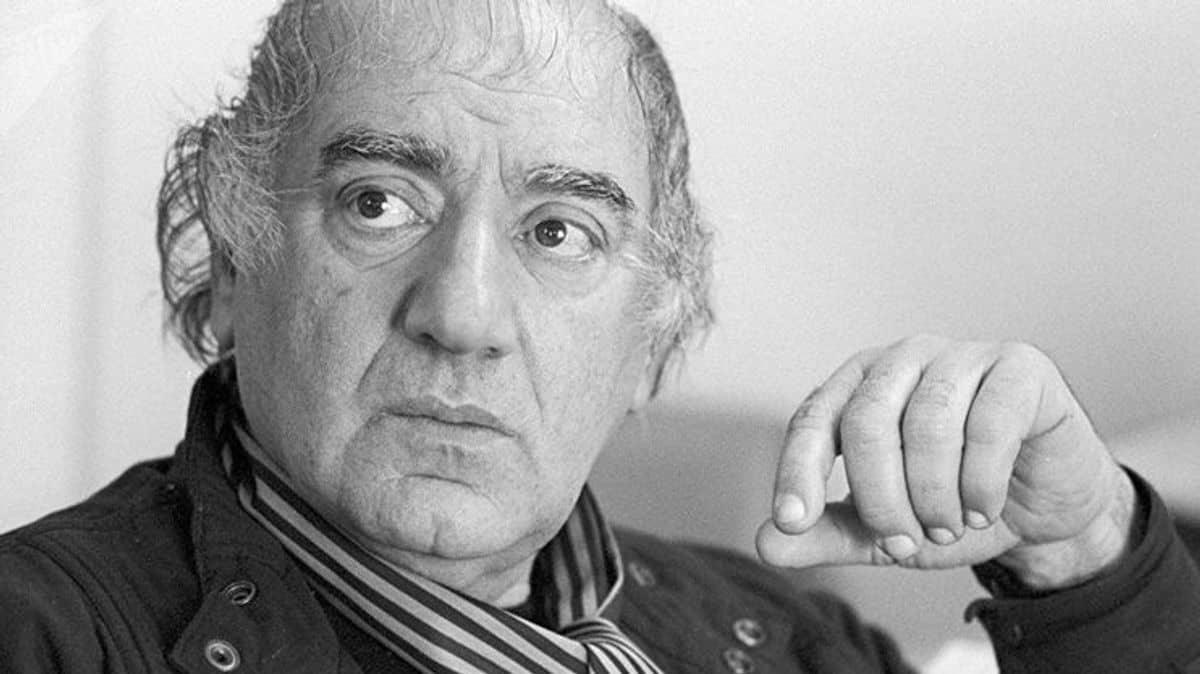
Avet Terterian © armenianprelacy.org
There is no comfortable resolution and no gradual fading away. The symphony stops, leaving behind the sensation of something unfinished. After all the noise, the silence that follows feels strangely significant.
The Armenian State Symphony Orchestra’s recording gives a vivid sense of a work deeply connected to Armenian musical culture while remaining strikingly unconventional. After listening, I was left with an impression that is hard to reduce to a single word. It was beautiful, eerie, dramatic, and at times almost overwhelming, and most importantly, unlike anything I had expected from a symphony.
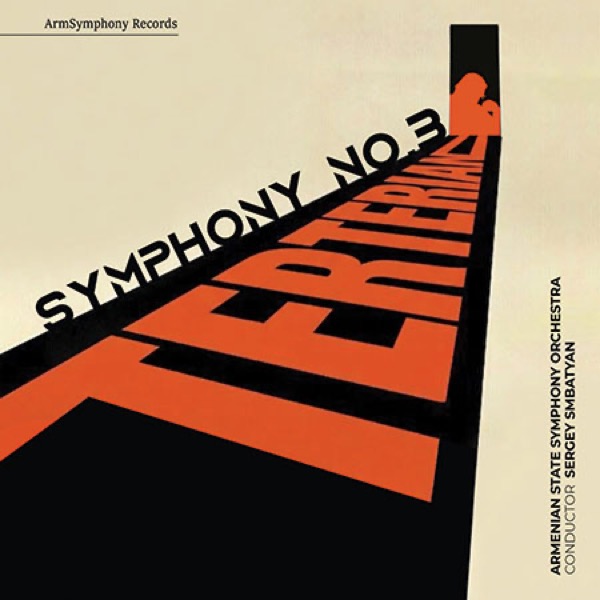
Terterian: Symphony No. 3
Performed by the Armenian State Symphony Orchestra, conducted by Sergey Smbatyan
Release Date: May 8, 2026
Label: ArmSymphony Records / Amara LLC
For more of the best in classical music, sign up for our E-Newsletter