Antônio Meneses, born in Recife, Brazil, on 23 August 1957, was a masterful cellist who captivated audiences worldwide with his profound musicality and technical brilliance.
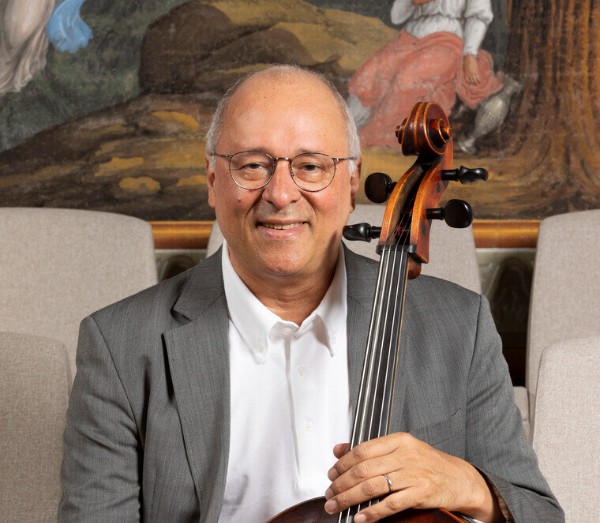
Antônio Meneses
With a career sparked by early talent in a musical family, he honed his craft under masters like Antonio Janigro, eventually clinching the top prize at the 1982 Tchaikovsky Competition.
The cellist of the Beaux Arts Trio from 1998 to 2008, his performances are marked by precision and depth. They have earned him a reputation for delivering music with clarity and intensity, whether tackling Bach or modern works.
His journey reflects a disciplined drive to master his instrument, a 1731 Guarneri cello. In fact, he built a legacy that resonates globally, and his collaborations, combined with his role as a mentor to young musicians, highlight a career defined by skill, versatility, and a no-nonsense approach to musical excellence.
On the occasion of his birthday on 23 August, let us sample some of his most iconic performances and recordings.
Antônio Meneses plays Villa-Lobos: Cello Concerto No. 1
Breakthrough Brilliance
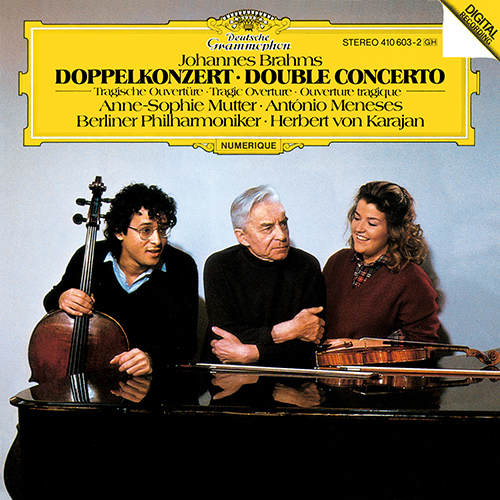
The 1983 Deutsche Grammophon recording of Brahms’ Double Concerto with Anne-Sophie Mutter and the Berlin Philharmonic under Herbert von Karajan is a landmark in Meneses’ discography. Recorded shortly after his 1982 win at the Tchaikovsky Competition, it captures a young virtuoso at the cusp of global recognition.
Meneses is clearly holding his own alongside Mutter’s fiery intensity and Karajan’s commanding orchestral vision. His cello lines sing with a rich and burnished tone, providing a lyrical counterpoint to Mutter’s incisive violin phrasing.
A review from Gramophone in 1984 lauded Meneses’ “remarkable poise and tonal beauty,” noting that his cello “converses with Mutter’s violin as an equal partner, never overshadowed, yet never domineering.” This recording is a testament to Meneses’ early brilliance and his ability to shine in the company of giants.
Johannes Brahms: Double Concerto for Violin and Cello in A Minor, Op. 102 (Anne-Sophie Mutter, violin; Antonio Meneses, cello; Berlin Philharmonic Orchestra; Herbert von Karajan, cond.)
Blending Brilliance and Lyricism
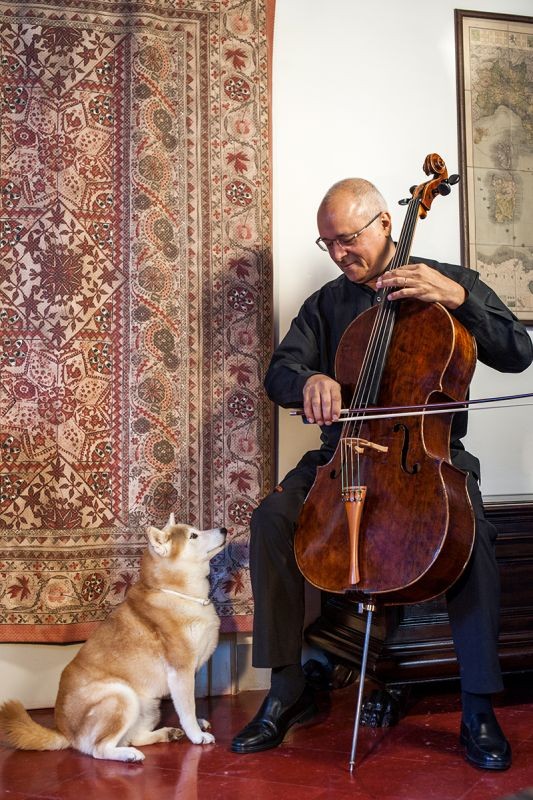
Antônio Meneses
Antônio Meneses recorded and performed the Tchaikovsky Variations on a Rococo Theme a number of times, and these Mozart-inspired variations with a blend of technical brilliance and lyrical sensitivity find in Meneses a soloist who navigates its challenges with effortless grace.
A 1984 review in The Strad described Meneses’ performance as “a revelation,” highlighting his “crystalline articulation in the rapid variations and a singing tone that brings out the work’s lyrical heart.” The “Andante sostenuto” section, with its soulful dialogue between cello and orchestra, was singled out for Meneses’ “poignant, introspective depth,” a quality that “lends the work an emotional weight rare in such a technically demanding piece.”
Meneses was able to weave a cohesive thread through the episodic structure of the work, making each variation feel like a natural extension of the last. His performances and recordings are marked throughout by his ability to infuse technical mastery with a distinctly personal musical voice.
Antônio Meneses plays Tchaikovsky: Variations on a Rococo Theme, Op. 33
Artistry and Intensity
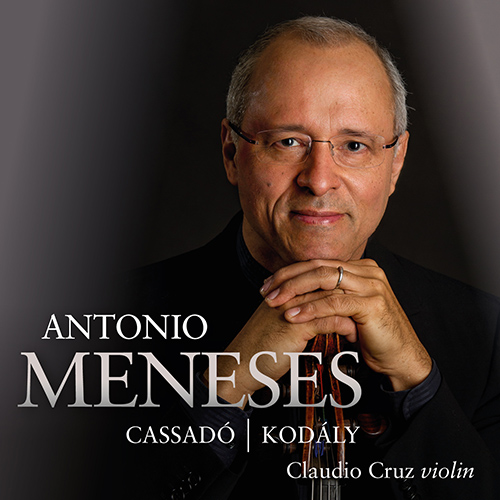
The 2004 Avie Records release of Kodály’s Solo Cello Sonata is one of Meneses’ most celebrated recordings, capturing the raw emotional power and technical complexity of this 20th-century masterpiece.
Demanding both virtuosic precision and a commanding narrative voice, Meneses rises to the challenge with a performance that is both fiercely expressive and meticulously controlled. His ability to navigate the stark contrasts showcases a musician in complete command of his instrument, delivering a reading that is as intellectually rigorous as it is viscerally compelling.
A 2005 review in Gramophone praised his “unflinching commitment to the music’s emotional core,” noting that “Meneses brings a searing intensity to the sonata’s folk-inspired melodies, making the cello sing with a voice that is both primal and refined.” This recording remains a definitive account, cementing his reputation as a cellist capable of illuminating even the most challenging works with profound artistry.
Zoltán Kodály: Sonata for Solo Cello, Op. 8 (Antonio Meneses, cello)
Clarity and Warmth
In his recordings and performances of Bach’s Cello Suites, Antônio Meneses captures the deceptively simple beauty with a refined balance of technical precision and expressive nuance.
Meneses delivers a reading that is both introspective and vibrant, highlighting the suite’s structural elegance while infusing it with a subtle, almost conversational warmth that reflects his musical sensibility.
A 2005 review in Gramophone described his interpretation as “luminous and unforced,” noting that “his phrasing breathing life into Bach’s arpeggiated lines without ever feeling contrived.” His recordings and performances remain a benchmark for their clarity, warmth, and ability to honour Bach’s intentions while offering a distinctly personal voice.
For more of the best in classical music, sign up for our E-Newsletter