In the Shadow of a Famous Brother
The Italian cellist and composer Antonio Maria Bononcini (1677-1726) was part of a distinguished musical family based in Modena, Italy. He worked closely with his older brother in Vienna, and crowned his career as maestro di cappella in his hometown.
To commemorate the 300th anniversary of his death on 8 July 1726, let us briefly explore the life of a musician who spent much of his career serving aristocratic and court patrons.
Antonio Maria Bononcini: Il Trionfo della Grazia
The House of Bononcini
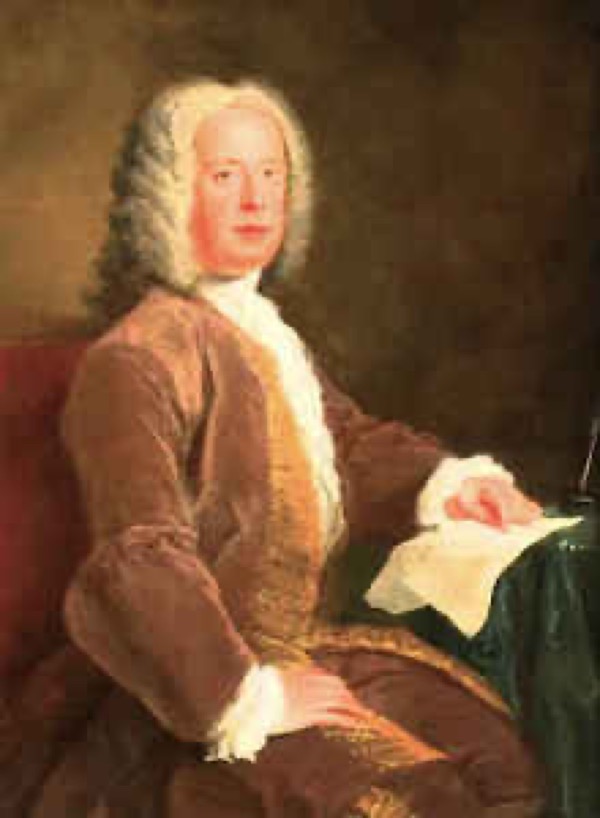
Giovanni Maria Bononcini
The Bononcini family was one of the great musical dynasties of late 17th- and early 18th-century Italy. In particular, the family’s musical reputation rests primarily on the father and his two sons.
The father, Giovanni Maria Bononcini (1642-1678), was a violinist, composer, and theorist. He was active in Modena, where he became court violinist and later maestro di cappella at the cathedral.
He was particularly important in helping to refine instrumental music in church and chamber sonatas before the emergence of Corelli. He also authored an influential handbook on counterpoint and composition, the Musico prattico of 1673.
Antonio Maria Bononcini: Sonata per Camera
The Famous Brother
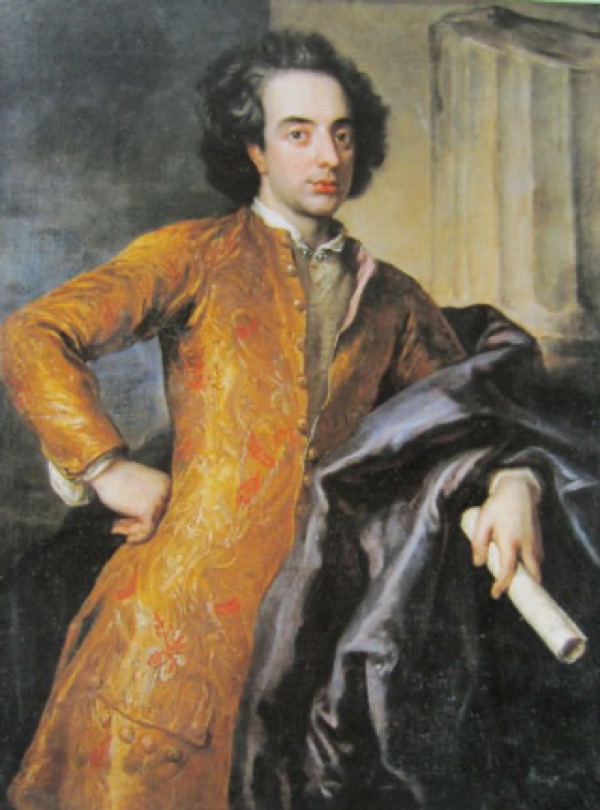
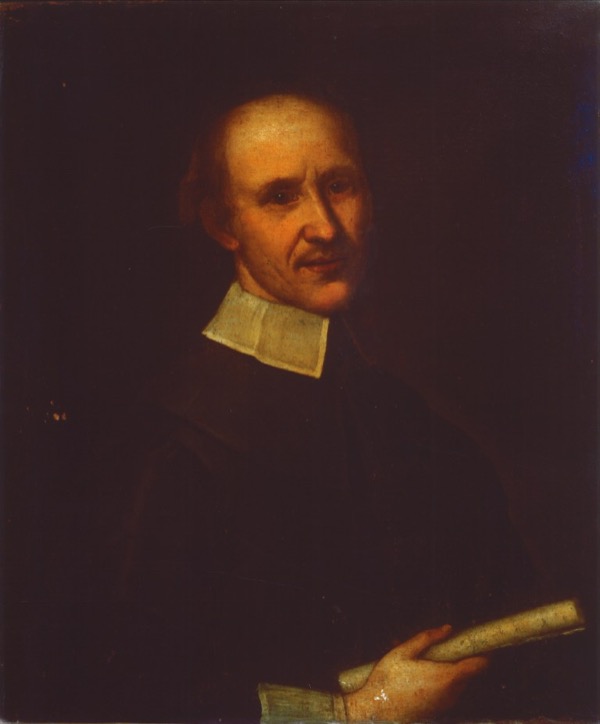
Portrait of the composer Giovanni Bononcini
His eldest son, Giovanni Bononcini (1670-1747), was by far the most famous. He was a cellist, singer, and prolific opera composer who enjoyed spectacular success in Rome, Vienna, and especially London.
His operas, particularly Il trionfo di Camilla, helped spread Italian opera seria across Europe, and he was admired for his lyrical melody and graceful vocal writing.
He achieved international and lasting historical fame as a rival to Handel in London, where he produced eight operas, including the successful Astarto, Crispo, and Griselda. His simple and fluent melodic style was particularly popular with London audiences.
Antonio Maria Bononcini: Sonata a Tre
A Gifted Younger Brother
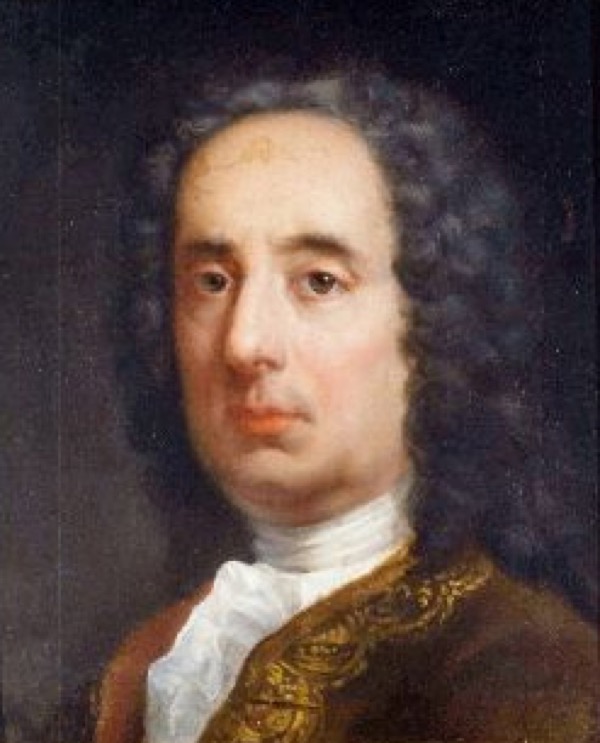
Antonio Maria Bononcini
And that brings us to Antonio Maria Bononcini (1677-1726), the gifted younger brother. The famous Padre Martini judged his style to be “so elevated, lively, artful and delightful, that he is distinguished above most early 18th-century composers.”
Together with his brother Giovanni, Antonio Maria was considered by contemporaries to be one of the most outstanding cello virtuosi of his time. Today, both are best known as exceptional composers of vocal music and important representatives of the elegant and melodically driven “galant” style.
After receiving musical instructions from their father, the brothers furthered their studies in Bologna. Between 1690 and 1693, both played in the orchestra of Cardinal Pamphili, the papal legate in the city.
Antonio Maria Bononcini: Laudate pueri (Chanterelle Ensemble)
“Sig. Bononcini”
Since Giovanni and Antonio Maria worked alongside in Bologna, in Rome, and later in Vienna, it is often difficult to distinguish the true author of compositions attributed to “Sig. Bononcini.”
By 1694, Bononcini was active as a cellist in Rome, and during that period, he or his elder brother performed at six events sponsored by Cardinal Ottoboni. Scholars suggest that Antonio Maria’s music is generally more virtuosic and elaborate in style than his elder brother’s.
In his collection of twelve sonatas dating to around 1693, Antonio Maria makes frequent use of tremolos, double-stopping, and repeated notes. His use of chords, rapid ornamentations, and treacherously difficult echo effects is characteristic and common to practically all the movements of this collection.
Antonio Maria Bononcini: Cello Sonata in G Major (Marco Ceccato, cello; Accademia Ottoboni)
Imperial Patronage
Around 1700, Antonio joined his brother in Vienna, and Telemann heard them perform in Berlin in 1702. The Bononcini brothers were part of a new generation of Italian composers who brought the latest musical styles to Vienna.
Antonio Maria was first commissioned to compose for the Viennese court in 1705. When he began his service to the Habsburg emperor, he was still a young and little-known composer. Emperor Joseph I held Giovanni Bononcini in high esteem, and he extended the same honour to Antonio.
Between 1705 and 1711, Antonio composed 13 cantatas, six festive serenatas, four two-part oratorios, and a three-act opera. The cellist Antonio distinguished himself as one of the generation’s most gifted composers of dramatic vocal music.
Antonio Maria Bononcini: La conquista del vello d’oro, Act III: Più che freme il nembo irato (Simone Kermes, soprano; Le Musiche Nove; Claudio Osele, cond.)
The Viennese Cantatas
Antonio Bononcini: Chamber Cantatas
The cantatas by Antonio Maria represent the new Italian style flourishing at the Viennese court. Scholars identify innovation in form, design features, affective harmony, melody, and rhythm. For some, Antonio’s compositional style reveals a composer of superior craftsmanship and imagination compared to the more famous Giovanni.
To be sure, the cantatas feature intricate textures, finely woven counterpoint, and extensive sequential development. Many of the arias are in minor keys, frequently featuring dotted rhythms, chromatic harmonies, and angular melodic lines.
Antonio was named a “composer to the emperor” in 1710, but when Joseph died of smallpox, his older brother, Charles VI, did not retain the Bononcinis. The brothers returned to Italy, and Antonio married Eleonora Suterin, who bore him four sons and a daughter.
Antonio Maria Bononcini: La decollazione di San Giovanni Battista (excerpts) (Antonio Abete, bass; Arcadia; Attilio Cremonesi, cond.)
Final Years and Legacy
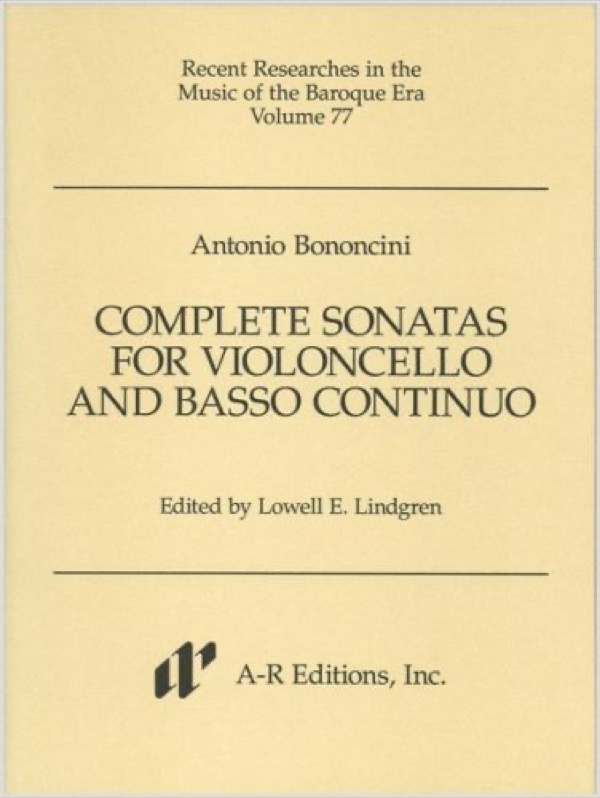
Antonio Bononcini: Cello Sonatas
Antonio continued to write operas for Venice, Rome, and cities ruled by the Austrian emperor. It has been observed that these works resemble Vivaldi in style. Although he incorporated some “galant” features, none of his dramatic works received subsequent productions.
For the last five years of his life, Bononcini was appointed maestro di cappella at the court in Modena, and he composed an extant mass setting and the Stabat mater. He ended his career in relative stability and died in his hometown of Modena on 8 July 1726.
While Antonio Maria was highly respected in his own time, he eventually slipped into the shadow of his more famous brother. However, more recent scholarship increasingly regards him as a gifted composer in his own right.
Three hundred years after his death, we remember a virtuoso cellist and composer who made significant contributions to the musical life of northern Italy, Rome, and Vienna during a period of stylistic transition in European music.
For more of the best in classical music, sign up for our E-Newsletter