When the great Russian novelist Leo Tolstoy published his 1889 novella on the ideal of sexual abstinence and jealous rage, he surprisingly titled it The Kreutzer Sonata. That title initially comes from Ludwig van Beethoven’s Violin Sonata, Op. 47, which he first performed with violinist George Augustus Polgreen Bridgetower in Vienna, in 1803. Subsequently, Beethoven amended the dedication, and the work was finally dedicated to the violinist Rodolphe Kreutzer.
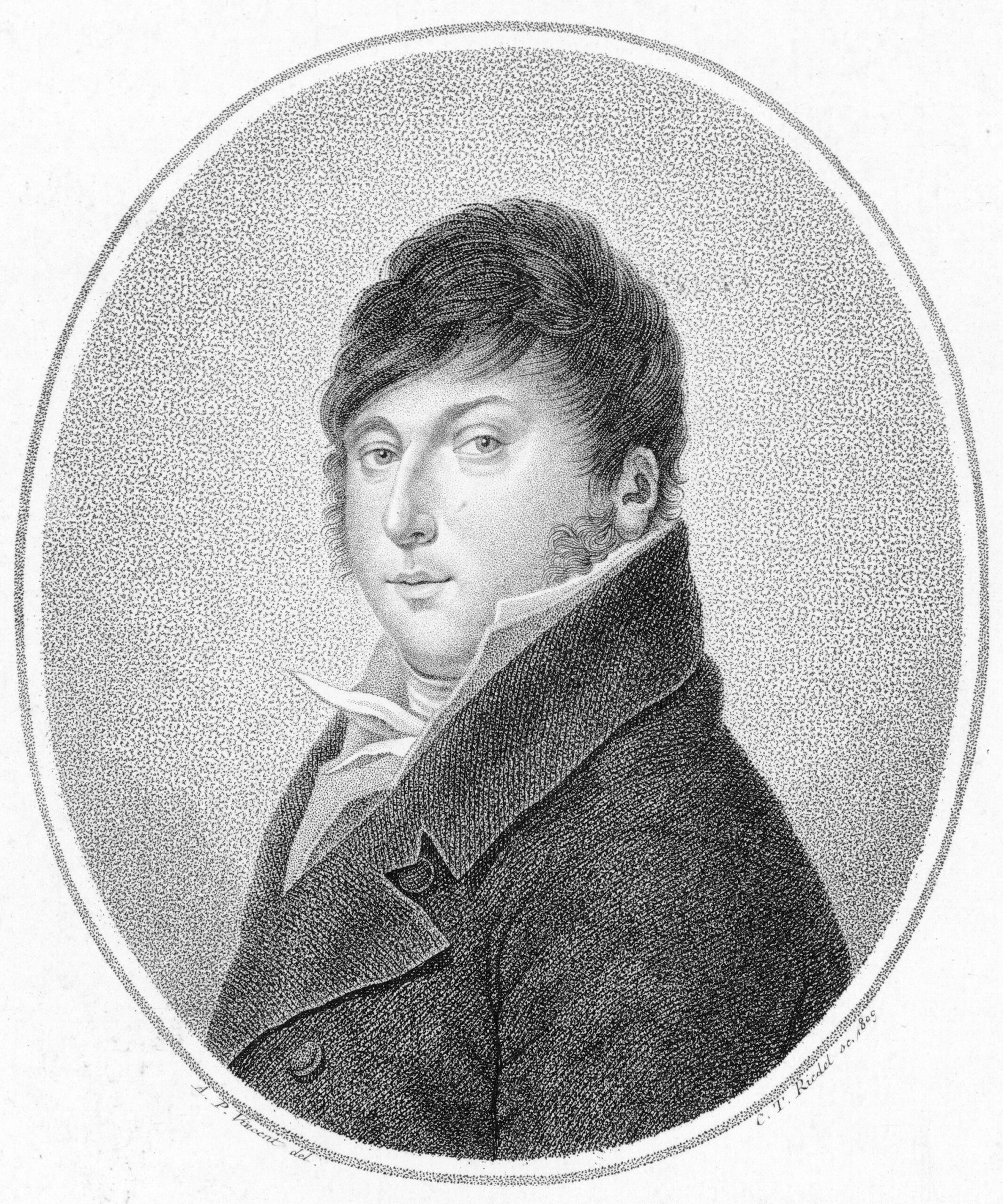
Rodolphe Kreutzer
This sonata quickly became known for its demanding violin part and its enormous emotional scope. A furious first movement leads to a meditative second, and then proceeds to a high-spirited conclusion. This emotional exuberance served Tolstoy as the backdrop for his narrative.
Love, Jealousy and the Power of Music
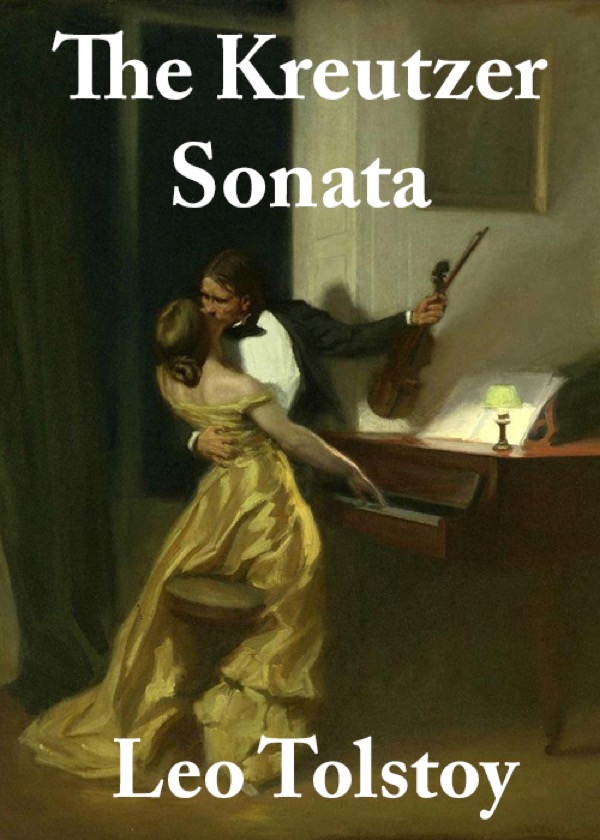
Leo Tolstoy, The Kreutzer Sonata
In the story, Pozdnyshev, the main character of Tolstoy’s novella, takes a train journey and overhears a conversation on marriage and how it should be based on true love. Questioning the concept of true love, he suggests that initial love can quickly turn into hatred. He also suggests that women will never enjoy equal rights with men, as long as they are viewed as objects of desire.
Sexuality does give them power over men, he argues, but it is all geared towards pleasure. Pozdnyshev falls in love with a woman, and she becomes his wife. They have several children, but things aren’t going well. His wife falls in love with the violinist Troukhatchevsky, and they perform Beethoven’s Kreutzer Sonata together!
“Some music,” Pozdnyshev explains, “is so powerful that it can change one’s internal state to a foreign one.” After he returns early from a trip, he finds the violinist and his wife together and kills her with a knife. The violinist, however, escapes: “I wanted to run after him, but remembered that it is ridiculous to run after one’s wife’s lover in one’s socks; and I did not wish to be ridiculous but terrible.” Pozdnyshev is later acquitted of murder and rides the trains asking fellow passengers for forgiveness.
Russian authorities promptly censored Tolstoy’s Kreutzer Sonata, and American President Theodore Roosevelt apparently called the author a sexual moral pervert. Tolstoy was severely criticised for disliking being a man and for pitying humanity because it is human. Whether you agree that “animal excesses” are the fundamental basis for the relations between the sexes or not, the emotional impact of Tolstoy’s writing is undeniable.
Ludwig van Beethoven: Violin Sonata No. 9 in A Major, Op. 47, “Kreutzer”: I. Adagio sostenuto – Presto (Alina Ibragimova, violin; Cédric Tiberghien, piano)
From Fury to Tranquillity
So is the emotional impact of Beethoven’s “Kreutzer,” a work essentially written around the same period as his Eroica Symphony. The violin sonata does not engage with heroic issues. Still, its vast power and scope prompted Beethoven to warn performers that it was “written in a very concertante style, quasi-concerto-like.”
This sense of grand scale immediately comes to the fore in a slow introduction, the only one in Beethoven’s ten violin sonatas, and a cadenza-like entrance for the violin alone. The piano makes a similar dramatic entrance, and the two instruments gradually outline a rising half-step that features prominently in the opening movement.
The “Presto” includes calmer episodes, like a chorale-like second subject, but its energy is relentless. The opening “Adagio” returns near the end, and an anguished coda concludes this movement.
A placid tune in F Major initiates the second movement and becomes the basis for five distinctive variations. These include a minor variation that suggests a darker and more meditative state. Dramatic moments notwithstanding, everything returns to the carefree F Major.
The calm is broken with a crashing A-Major chord in the piano to initiate the concluding “Presto.” Beethoven initially wrote this movement as the finale of his Op. 30, No. 1 sonata, but its fiery intensity makes it the perfect conclusion to this powerful piece of chamber music. No wonder Tolstoy’s character considered this piece passionate to the point of obscenity.
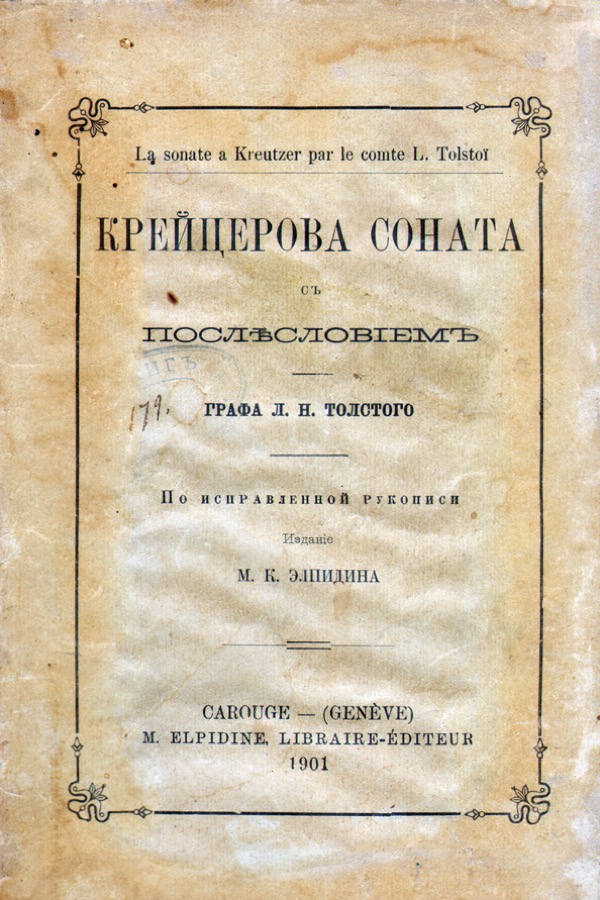
Leo Tolstoy, The Kreutzer Sonata (Geneva: M. Elpidine, 1901)
Ludwig van Beethoven: Violin Sonata No. 9 in A Major, Op. 47, “Kreutzer”: II. Andante con variazioni (Alina Ibragimova, violin; Cédric Tiberghien, piano)
The “Kreutzer” Comes Alive
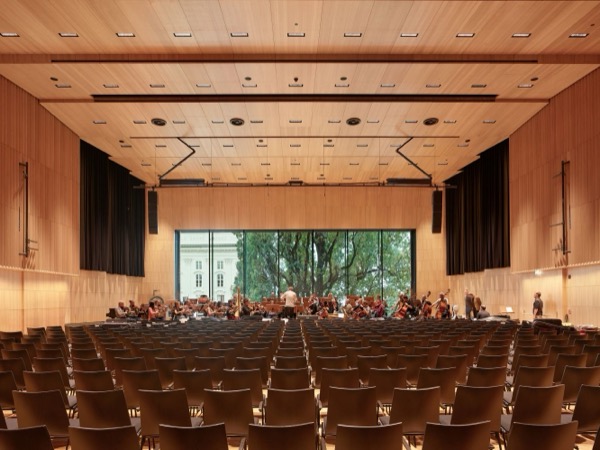
All this talk about human passion, heightened emotionality, and immersion comes alive only when experienced in a recital hall, with the right musicians at hand. A recent performance in the Chamber Music Hall at the Beethoven-Haus in Bonn, featuring Cédric Tiberghien and Alina Ibragimova, offered a rare musical and personal rapport that made the “Kreutzer” leap from the pages straight into the world of sensuality and passion.
Tiberghien and Ibragimova first met as members of the BBC Radio 3 New Generation Artists scheme in 2005. Their potential as a chamber-music pairing was immediately recognised, and their Beethoven cycle, recorded during their Wigmore Hall recitals, is considered “exhilarating and thought-provoking… with her astonishing command of tone colour and articulation complemented by his rhythmic alertness and lightness of touch,” writes Andrew Clements. (Clements, The Guardian, 2011)
The Sound of Passion
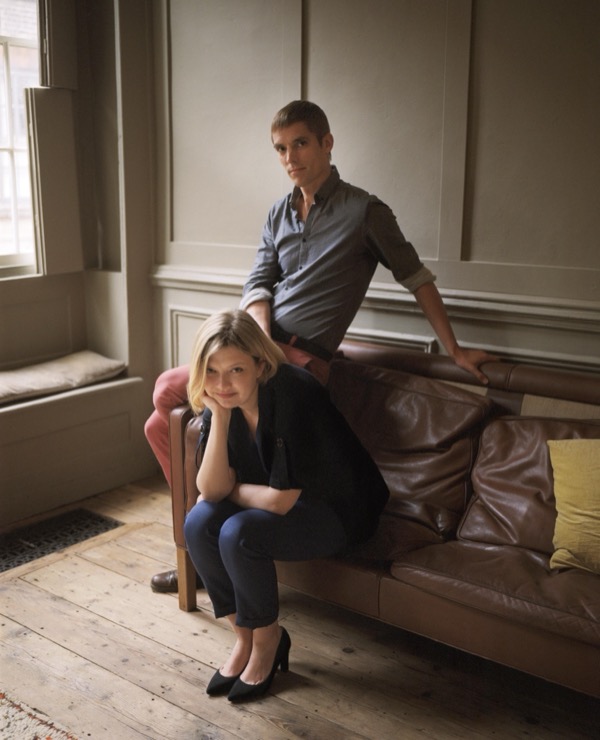
Alina Ibragimova and Cédric Tiberghien © Eva Vermandel
Over a decade later, in September 2026, Tiberghien and Ibragimova still exude extraordinary musical synergy and interpretive daring. They seemingly breathe with a shared musical spontaneity that recreates Beethoven in the moment. Here are two artists in perfect communication, crafting performances that blend fiery virtuosity with the most tender movements.
Tolstoy heard something dangerous and almost uncontrollable in the “Kreutzer” Sonata. For him, this music was capable of stirring passions that could no longer be controlled by reason. In the hands of Tiberghien and Ibragimova, the music did not simply describe passion. It actually created and unleashed it.
Hundreds of years of music criticism and music theory explaining chord progressions and phrase structures cannot prepare you for the sheer physical impact of hearing the “Kreutzer” played like this. Tiberghien and Ibragimova are, in my humble opinion, the most exciting and vivid Beethoven interpreters of their generation.
For more of the best in classical music, sign up for our E-Newsletter
Ludwig van Beethoven: Violin Sonata No. 9 in A Major, Op. 47, “Kreutzer”: III. Presto (Alina Ibragimova, violin; Cédric Tiberghien, piano)