In this recording on SOMM Records, Russian pianist Nikolay Medvedev (b. 1986) takes three composers, the Ukrainian Nikolai Kapustin and the Americans George Gershwin and Earl Wild, and presents us with a powerful and flowing examination of that wonderful fusion of classical pianism and jazz.
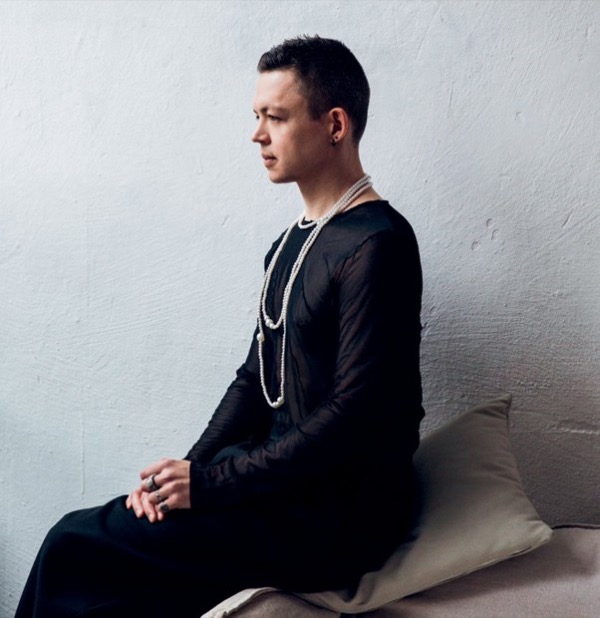
Nikolay Medvedev (photo by Dusia Sabol)
Medvedev opens with Nikolai Kapustin (1937–2020) and his Piano Sonata No. 2, and we can hear immediately how the composer fuses the classical form of the sonata with stylistic elements from jazz – this is not a classical-sounding piano sonata by any means! Although so much of his work sounds like it’s improvised at the keyboard, the composer fervently declared that music had to be written down: ‘All improvisation, as far as I am concerned, is written down, and it is all the better for that; it is allowed to mature’.
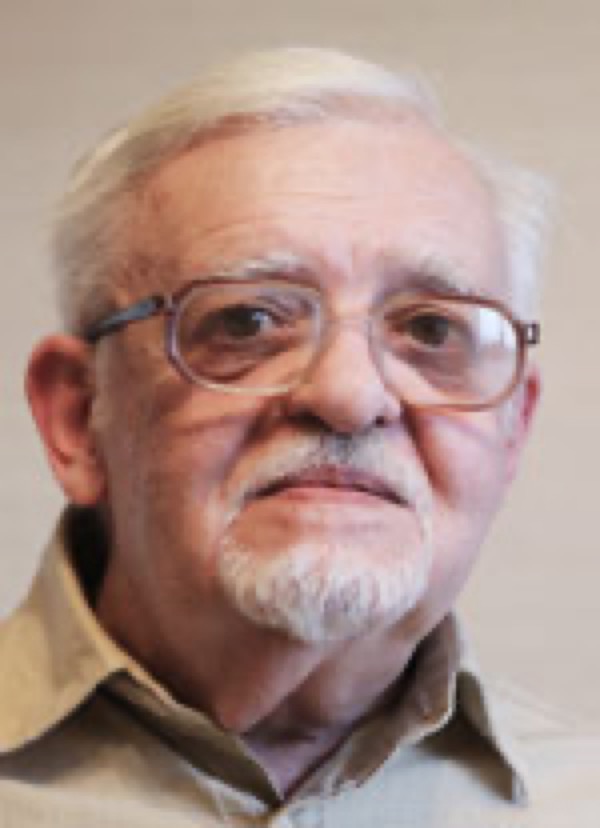
Nikolai Kapustin (photo by Schott Music / Peter Anderson)
Nikolai Kapustin: Piano Sonata No. 2, Op. 54 – I. Allegro molto
This is followed on the recording by George Gershwin’s Three Preludes. Gershwin (1898–1937), who wanted to write music for both popular theatre and the concert hall, had the dream of writing his own set of 24 Preludes for Solo Piano, as so many composers before him had done. His first Three Preludes were published in 1927; he wrote 5 other works intended to be part of his final 24, but by the time of his death in 1937, only the first three had been published as a set.
The Three Preludes were all part of Gershwin’s mix of classical and jazz that he first brought to the world in his Rhapsody in Blue.
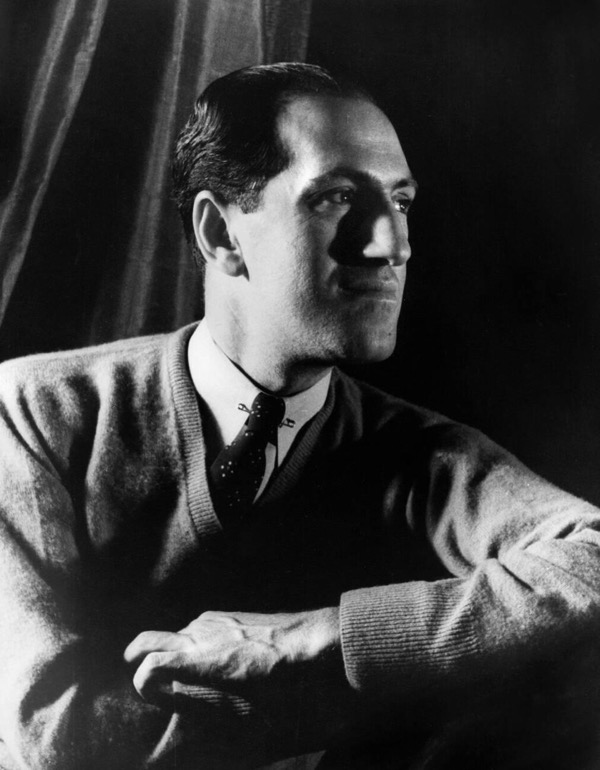
Carl van Vechten: George Gershwin, 1937 (Library of Congress, LCCN 2004662906)
George Gershwin: Three Preludes – I. Allegro ben ritmato e deciso
A selection from Kapustin’s 8 Concert Études, Op. 40, again gives us Kapustin’s unique merging of the classical (the étude) and jazz. These were not intended to be played as a set, and so Medvedev gives us 5 of them. I. Prelude gives us Latin rhythms. II. Reverie is less international jazz than Ukrainian-influenced. VI. Pastorale puts the listener somewhere between Scott Joplin’s ragtime and Gershwin’s jazz from Porgy and Bess. VII. Intermezzo takes us into the world of stride piano, and the études close with VIII. Finale, a number full of fast drive and motion.
American pianist Earl Wild (1915–2010) made his name not only for his virtuoso performances but also for his piano transcriptions and arrangements of both jazz and classical music. For this recording, Medvedev has chosen Wild’s 7 Virtuoso Etudes after George Gershwin, published in 1954 and 1973, and both revised in 1975, for multiple fusions: jazz, the etude, and the paraphrase, combined with Gershwin in the hands of Wild.
Wild had heard Gershwin play both the Rhapsody in Blue and the Concerto in F, and when he created his Virtuoso Etudes, he used music from all facets of Gershwin’s career: the fun of I Got Rhythm and the heartbreak of The Man I Love.
Earl Wild
Earl Wild: 7 Virtuoso Etudes after George Gershwin, No. 6, ‘I Got Rhythm’
The recording closes with one more work by Kapustin, his Variations, Op. 41, from 1984. Rather than a variation set, it’s more like an ongoing variation on a theme that never seems quite to end. It’s a delight of light pianism and requires virtuosic hands to keep it all in motion.
Nikolay Medvedev brings a technical skill to these works that raises them from popular to virtuosic. Particularly in the Wild pieces and the final Kapustin Variations, it would be easy to lose track of the essence of the work in the midst of all the fireworks, but Medvedev keeps it all together in style.
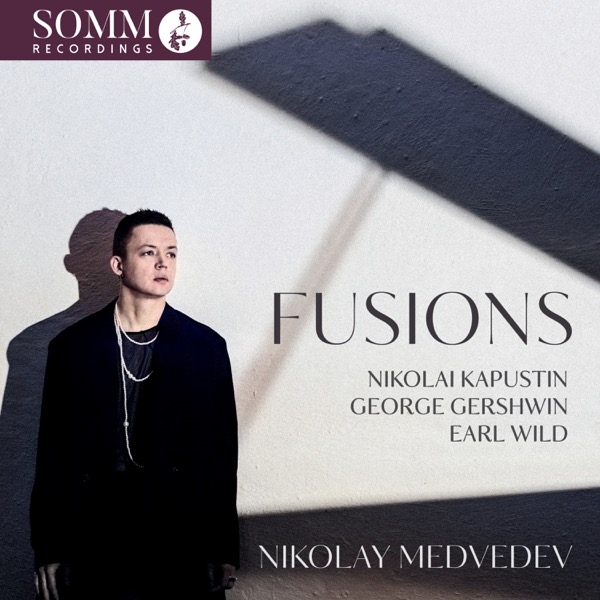
Fusions: Nikolai Kapustin, George Gershwin, Earl Wild
Nikolay Medvedev, piano
SOMM Recordings SOMMCD 0724
Official Website
For more of the best in classical music, sign up for our E-Newsletter