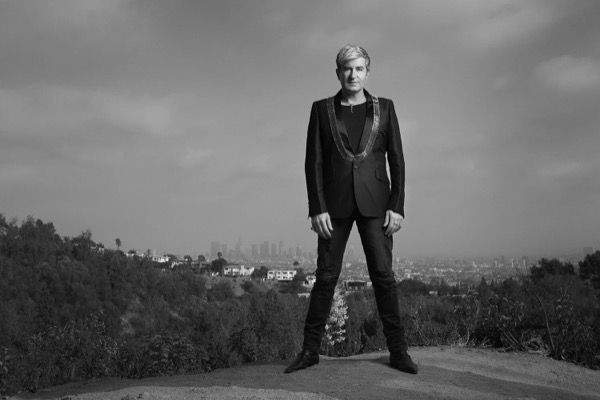
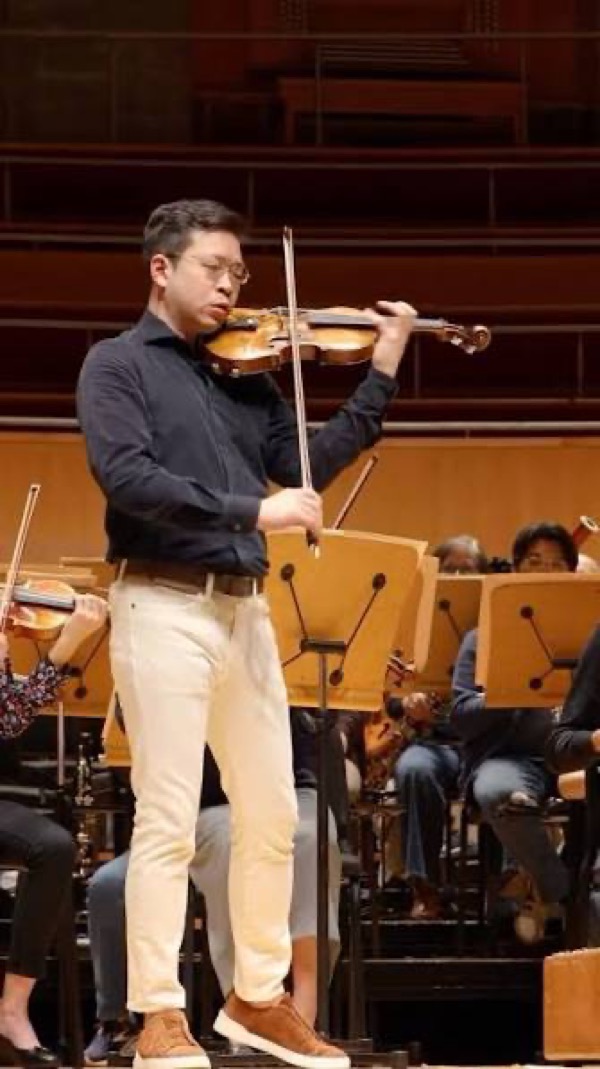
Described by critics as an “…immensely gifted pianist… with prodigious technique, myriad shadings, and scrupulous accuracy,” Vitaly Pisarenko came to international attention for winning First Prize at the 8th International Franz Liszt Piano Competition in Utrecht, and Third Prize at the Leeds International Piano Competition in 2015.
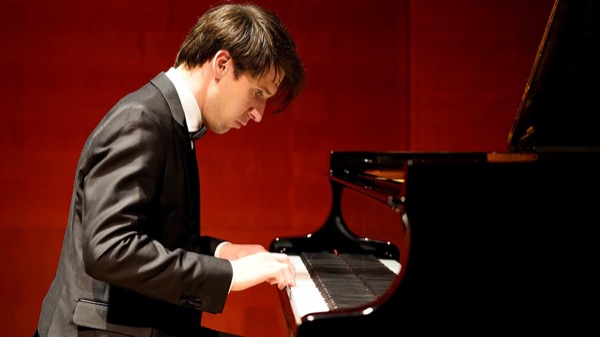
Vitaly Pisarenko (photo by Natalie Lafranchi)
To celebrate his birthday on 24 July, let us highlight a career that is not built around studio recordings, but around live international recitals and orchestral appearances.
Vitaly Pisarenko plays Liszt: Piano Concerto No. 1 (excerpt)
Beginnings in Kyiv and Kharkiv
Vitaly Pisarenko was born on 24 July 1987 in Kyiv, and he grew up in Ukraine during the early post-Soviet transition period. Little is known publicly about his family background, but he was fascinated by the upright piano at home.
Pisarenko started piano lessons around the age of four, studying with Natalia Romenskaya in Kyiv, and with Garri Gelfga in Kharkiv. And we do know that he gave his first public performance at around age 6.
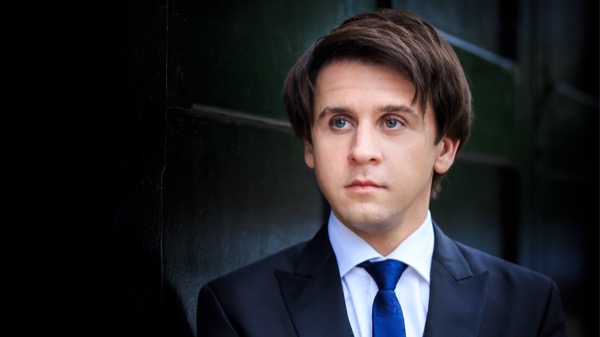
Vitaly Pisarenko
He quickly entered the structured Soviet post-primary music education system, studying in special music schools for gifted children. As he moved through higher-level conservatory training, he was performing international competition-level repertoire by his mid-teens.
Vitaly Pisarenko plays Ravel: Miroirs, “Alborada del gracioso”
Moscow Conservatory
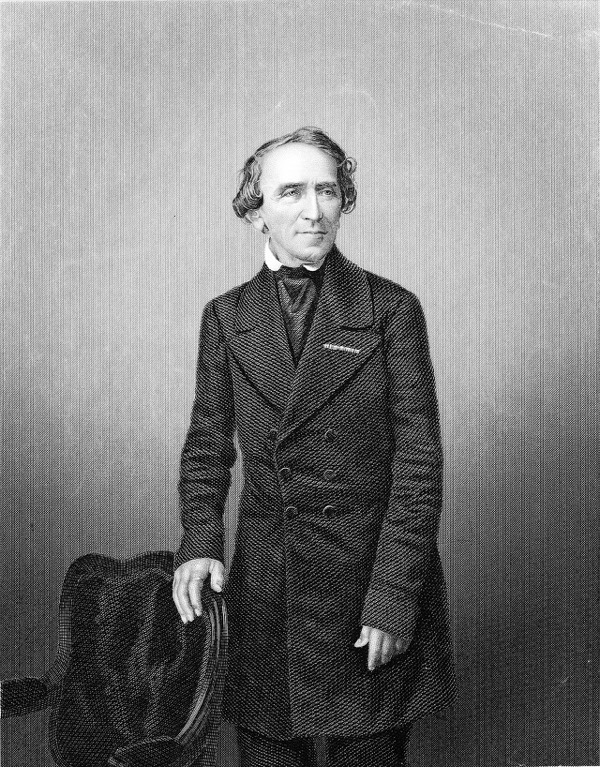
At age 17, Pisarenko was considered advanced enough for study at the Central Music School and State Tchaikovsky Conservatory in Moscow. His teacher, Yuri Slesarev, was a distinguished pianist and music educator, renowned for his virtuoso interpretations and for shaping generations of young performers.
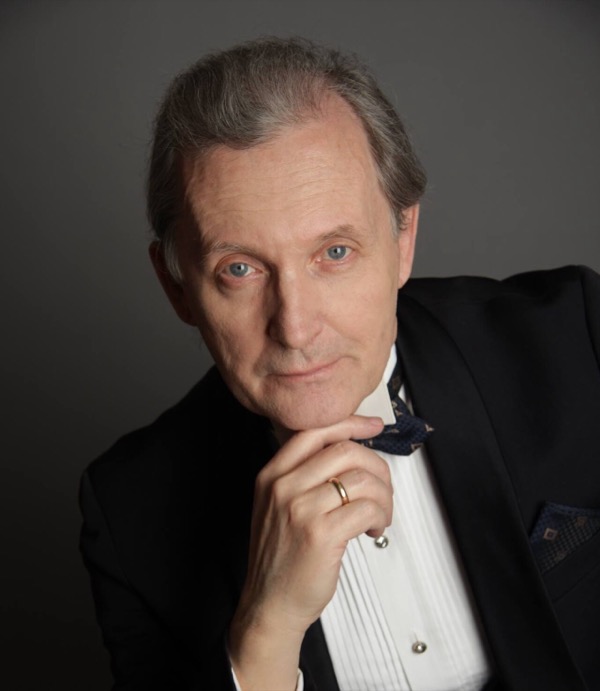
Yuri Slesarev
Over five decades, Slesarev taught hundreds of students, drawing on his extensive performing experience, which he had gained through international tours and recordings. Slesarev is widely considered among the most important influences on Pisarenko’s musical development.
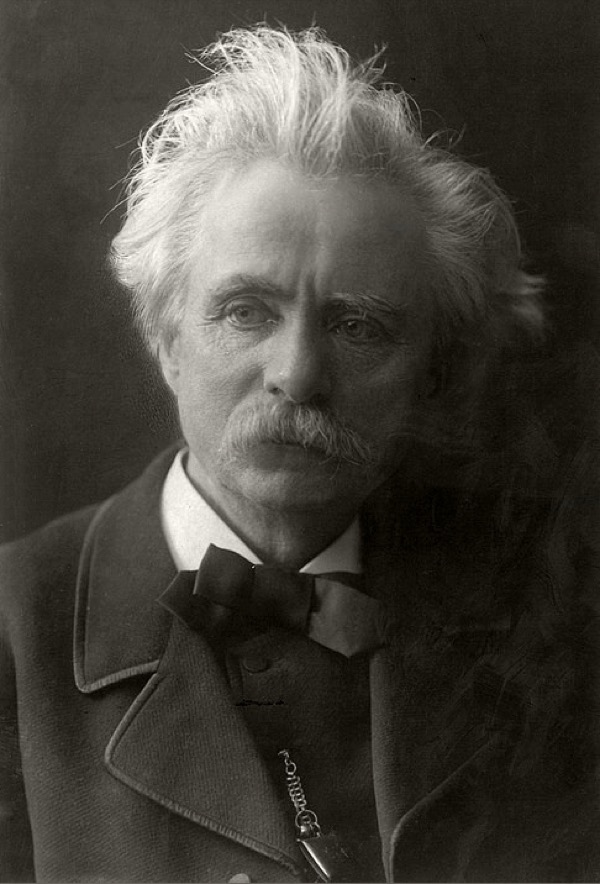
Slesarev and the Moscow Conservatory system provided Pisarenko with core Russian training, while Aquiles Delle Vigne at the Codarts Conservatory in Rotterdam delivered advanced interpretive refinement. Pisarenko publicly credits Delle Vigne as part of his artistic formation.
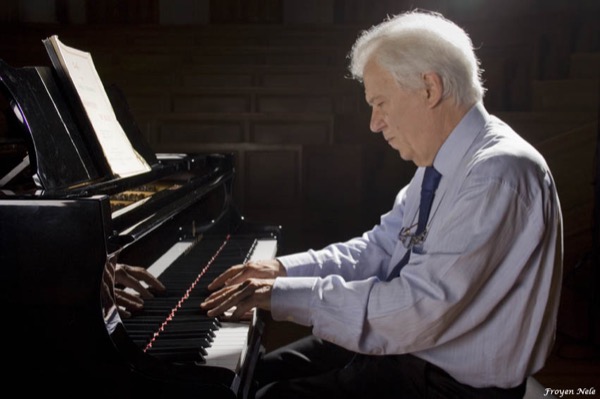
Aquiles Delle Vigne
Vitaly Pisarenko plays Schubert: Klavierstück No. 1, D. 946
The Italian Chapter
The next step in his educational path took him to Italy, and a three-year period of study under Oxana Yablonskaya. She was also a gifted student at the Moscow Central School from the ages of six through sixteen, before later studying with Alexander Goldenweiser at the Moscow Conservatory.
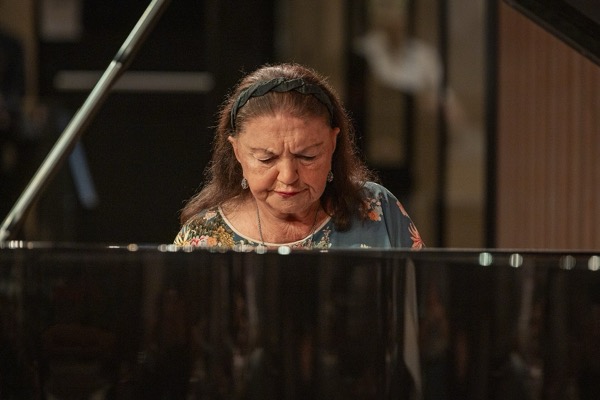
Oxana Yablonskaya
Yablonskaya went on to win top prizes in the Long-Thibaud-Crespin Competition, the Rio de Janeiro Piano Competition, and the International Beethoven Piano Competition. Pisarenko believes that “travelling and experiencing different countries and cultures broadens our vision; even having the opportunity to study in different places has contributed to my growth as a musician.” (Cavallaro, Sicilian Post, 2021)
Pisarenko moved to London in 2012 and attended the Royal College of Music with Dmitri Alexeev and simultaneously took lessons with Boris Petrushansky in Imola. He still counts himself fortunate, because each teacher played a fundamental role in his life and significantly impacted his career.
Vitaly Pisarenko plays Liszt: “Tarantella”
Music or Nothing
Following his competition achievements, Pisarenko maintained a busy recital and concerto schedule, and in 2020, he became a professor at the Purcell School of Music. Working as an assistant to Dmitri Alexeev, Pisarenko describes this next step as “a wonderful adventure; I love teaching and working with young students.”
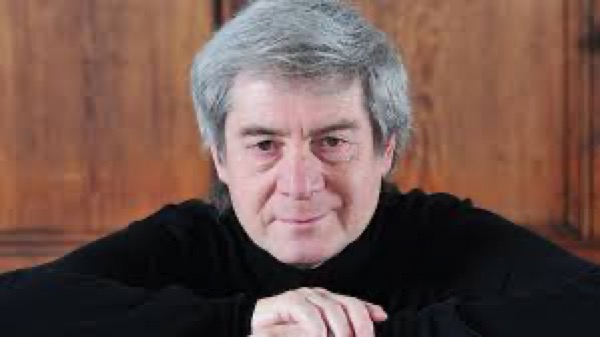
Dmitri Alexeev
He has changed his view on recording an album, as “living in the digital age, I always thought it wasn’t necessary, but I have to say I’ve recently changed my mind.”
As of 2026, we are still awaiting Pisarenko’s debut recording, but he has the following advice for young musicians. If they want to pursue a professional career, “I say do it only if you can’t live without music. If you’re thinking about fame or success, you’d better give it up.” (Cavallaro, Sicilian Post, 2021)
For more of the best in classical music, sign up for our E-Newsletter