We know that Joseph Haydn is called the “Father of the Symphony” and the “Father of the String Quartet.” But did you know that he also composed about 45 piano trios? Probably the best known of all Haydn’s compositions in this form is the Piano Trio in G Major, Hob. XV:25.
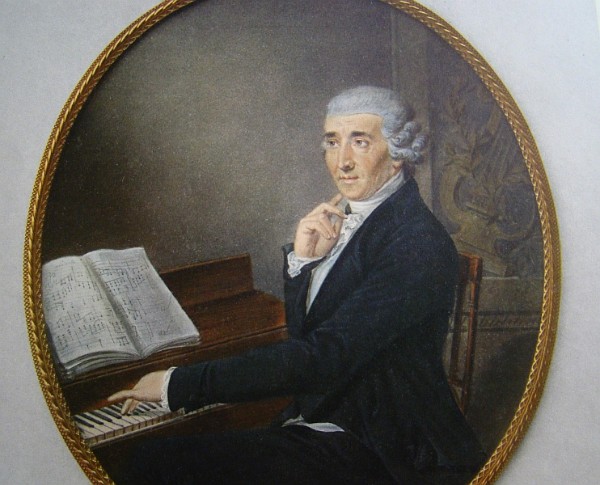
Joseph Haydn
It is famous for its “Rondo all’ongarese” (Gypsy Rondo) finale, and for being dedicated to the English widow Rebecca Schroeter. To commemorate Haydn’s passing on 31 May 1809, let’s have a closer look at this celebrated composition.
Joseph Haydn: Piano Trio No. 25 in G Major (Gypsy Trio)
From Aristocratic Diversion to Virtuosic Art
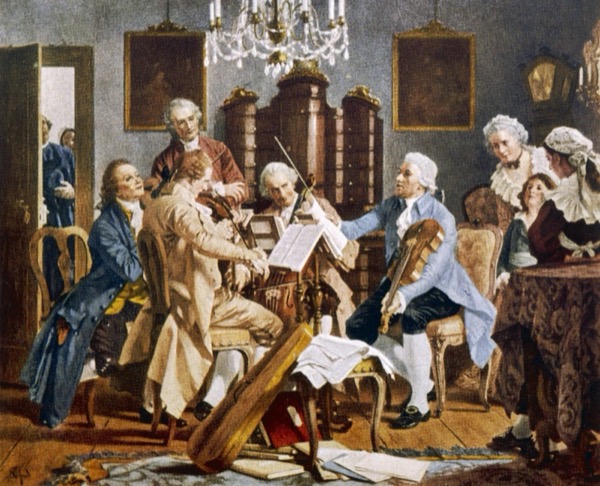
Joseph Haydn playing chamber music
It is true that Haydn composed roughly 45 piano trios, but his early works in this genre were still written in the style of the Baroque trio sonatas. They served as light musical entertainments for the aristocratic elite in Vienna, and many have only two movements.
His later trios were composed for English publishers to satisfy the great demand for this kind of chamber music in London. The piano trio was greatly in demand, and the piano part is generally very virtuosic.
The string parts are more restricted in scope, and the violin only plays the melody some of the time, often being doubled by the piano when it does. The cello part is very much subordinated, usually just doubling the bass line in the piano.
Joseph Haydn: Keyboard Trio No. 25 in G Major, Hob.XV:25, “Gypsy Rondo”: I. Andante (Beaux Arts Trio)
Haydn’s English Muse
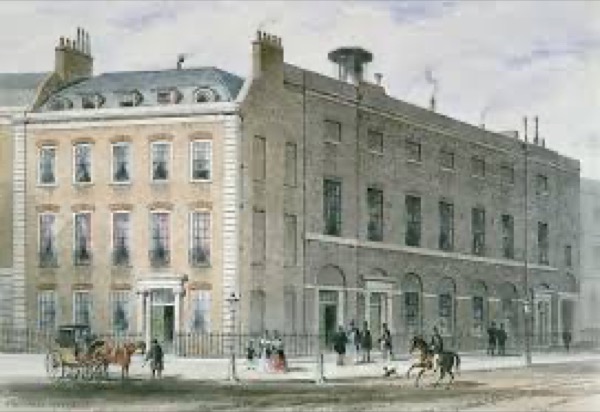
London in Haydn’s time
Haydn made two trips to London, and he was treated like royalty. He was, after all, one of the most celebrated composers in Europe. During his time in England, Haydn kept a personal diary called the “London Notebooks,” and he recorded personal observations, everyday gossip, and scraps of poetry.
These “London Notebooks” also contained letters from an English widow named Rebecca Schroeter. She was an amateur pianist, the widow of a German composer, and she lived comfortably.
She took music lessons from Haydn, and he reported that she was “a beautiful and charming woman that I would have married easily, if I had been free at the time.” Well, Haydn wasn’t, as he was still unhappily married to Maria Anna Haydn.
Joseph Haydn: Keyboard Trio No. 25 in G Major, Hob.XV:25, “Gypsy Rondo”: II. Poco adagio cantable (Beaux Arts Trio)
A London Love Story
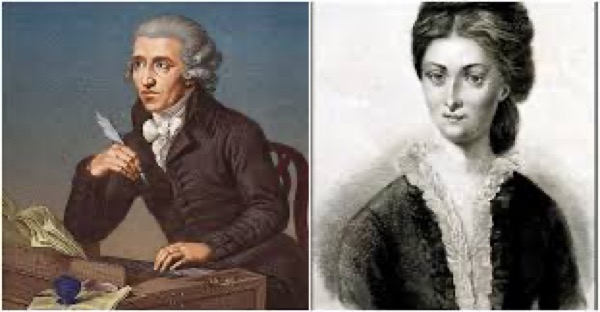
Joseph Haydn and Rebecca Schroeter
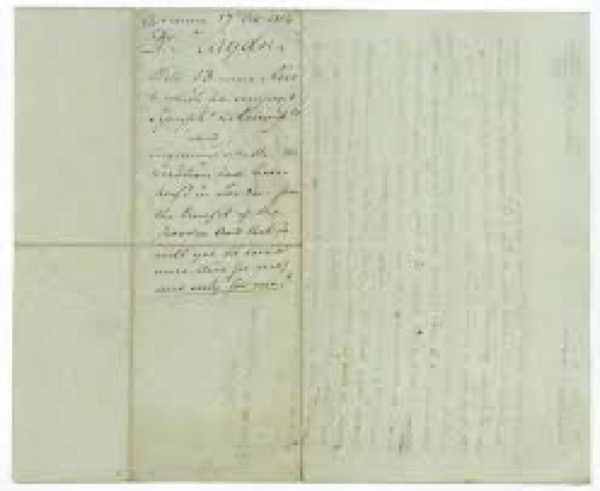
A letter from Rebecca Schroeter to Joseph Haydn (London Notebooks)
As it seems to happen with some frequency, Rebecca and Joseph fell in love. A letter in the “London Notebooks,” written by Rebecca, reads: “My Dear! I was extremely sorry to part with you so suddenly last night, and I had a thousand things to say to you.”
“My heart was and is full of tenderness for you, but no language can express half the love and affection I feel for you. You are dearer to me every day of my life…” The romance continued until Haydn departed England in 1792, and resumed when Haydn returned in 1794.
Shortly before Haydn departed permanently for his home in Austria in 1795, he composed a set of three piano trios for Mrs Schroeter, including the famous “Gypsy Trio.” This wonderful rondo features dotted rhythms and syncopations, which Haydn transforms into the rondo theme.
Folk Style and Classical Control
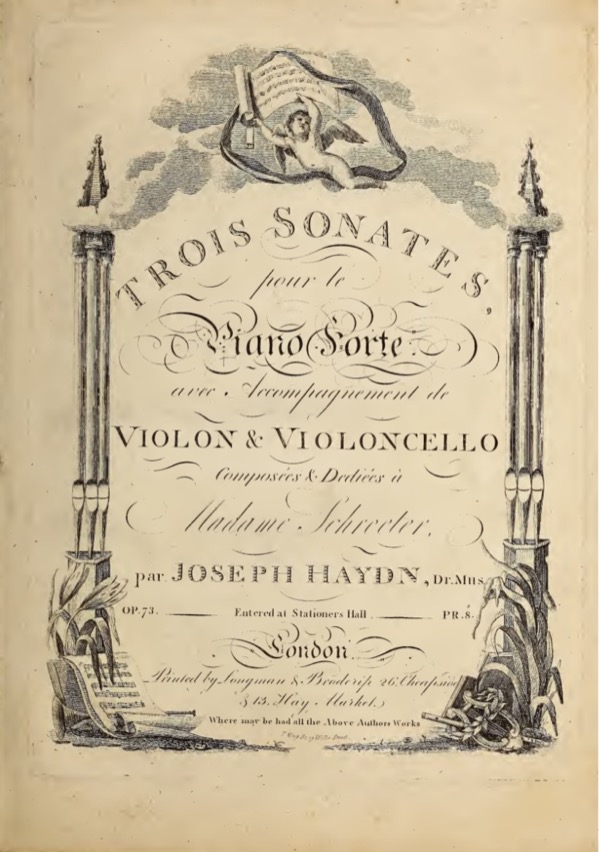
Title page of Haydn’s Trois Sonates pour le Piano Forte, Op. 73, dedicated to Madame Schroeter (London)
The origins of this melody and its title suggest the Hungarian-style recruiting dances used to attract young men to military service. It’s basically a miniature scene change, as the music shifts into two minor-key episodes.
But don’t be fooled, as the free and folklike sounding music is rigorously shaped and all the interruptions precisely controlled. It’s not just entertaining, it’s Haydn at his most inventive. One can only wonder what Rebecca Schroeter might have felt at the keyboard, as the music suddenly shifted from fire and charm to tender intimacy.
For more of the best in classical music, sign up for our E-Newsletter
Joseph Haydn: Keyboard Trio No. 25 in G Major, Hob.XV:25, “Gypsy Rondo”: III. Rondo all’Ongarese: Presto (Beaux Arts Trio)