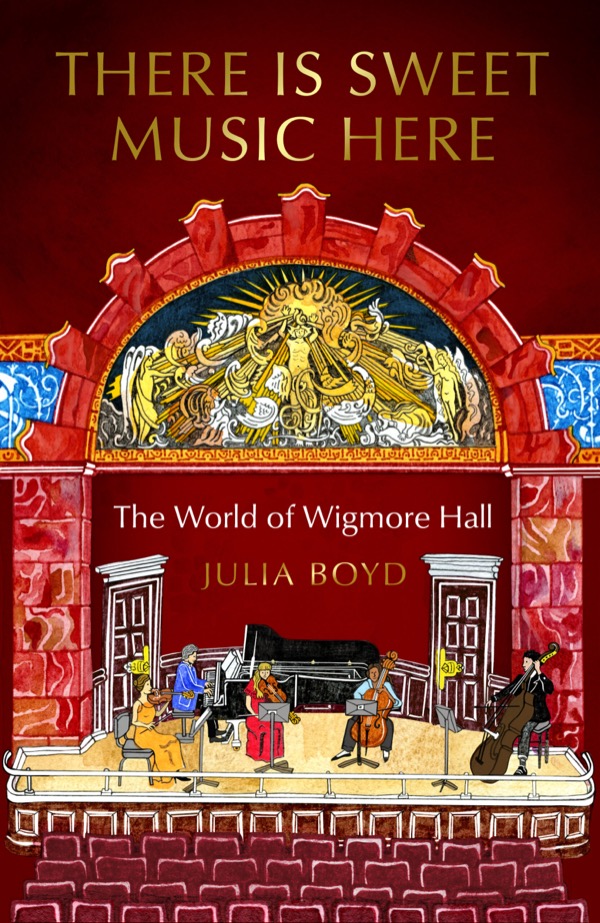
In this series of three essays, Frances Wilson offers a personal celebration of the Wigmore Hall, from its beginnings to the present day
Early days
The first concert at the new Bechstein (now Wigmore) Hall took place on 31st May 1901. The performance featured English soprano Mrs Helen Trust, ‘king of the violin’ Eugène Ysaÿe, and composer-pianist Ferruccio Busoni – an impressive line-up that promised well not only for the opening night but also for the future of London’s newest concert venue. The audience at that first concert comprised wealthy patrons, aristocrats and the intellectual elite of London. It would surely have been a glamorous event. The first public concert took place on 3rd June 1901, and from that date until October 1915, when Bechstein Hall was forced to close, it hosted some 200 concerts a year.
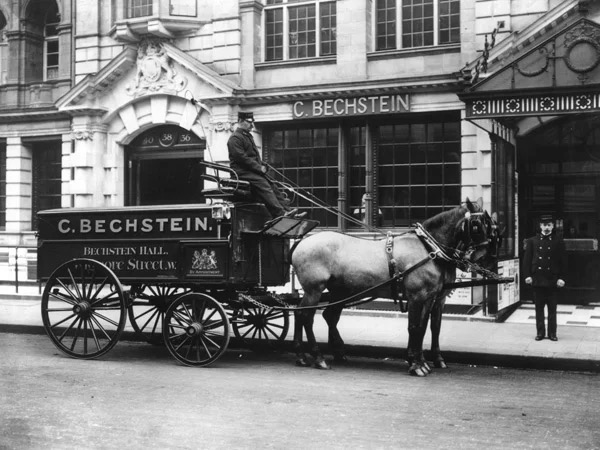
Bechstein Hall, early 1900s
Henryk Wieniawski: Rêve d’enfant, Op. 14 (Eugène Ysaÿe, violin)
At the beginning of the twentieth century, Bechstein Hall on London’s Wigmore Street – a prime location in the fashionable and elegant Marylebone district – was promoted as the best place for intimate music-making, boasting unrivalled comfort and facilities for patrons and artists, with its elegant green room up a short flight of stairs behind the stage (so that singers did not arrive on stage breathless). At the time of its opening, concert life and leisure in London were undergoing something of a revolution. Theatres and music halls were opening across the West End, a wide public was being introduced to the experience of shopping for pleasure in the new “department stores” (Selfridges is a mere 10-minute walk, at most, from Wigmore Street), and with cheap and efficient public transport, it was easy for people to enjoy these delights in the centre of the metropolis.
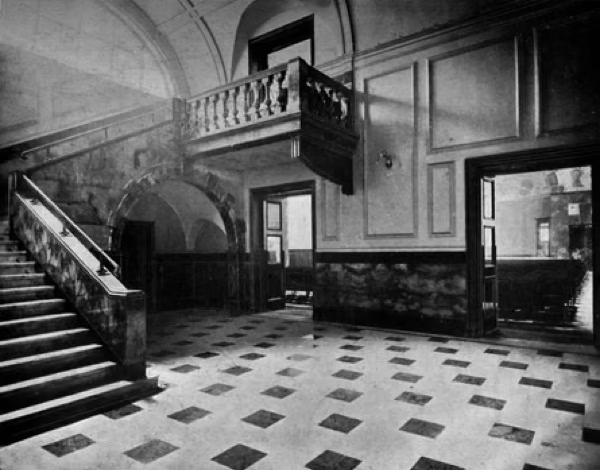
The vestibule of Wigmore Hall
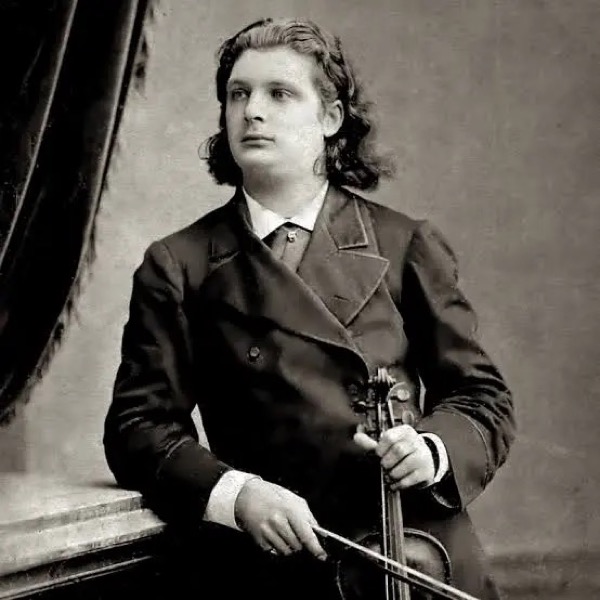
Eugène Ysaÿe
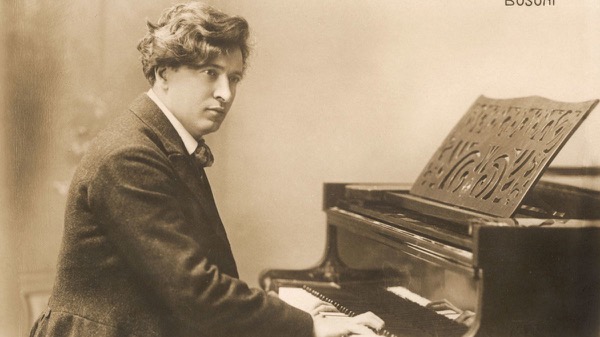
Ferruccio Busoni
At the time of the hall’s opening, C. Bechstein was Europe’s leading piano maker (it produced 5000 pianos in 1901), and its instruments were preferred by most pianists outside America, where Steinway predominated. The Bechstein piano company built similar concert halls in Paris and St Petersburg to showcase its instruments and the leading performers and singers of the day. With its distinctive barrel-roof “shoebox” design, beloved by many musicians and audiences, the hall still boasts a fine acoustic, while its small size (its capacity is c. 600 seats) makes it the perfect place to enjoy intimate chamber and piano recitals.
“…wherever you sit, the acoustics are wonderful for the piano”. (Lorraine Banning, pianist and piano teacher)
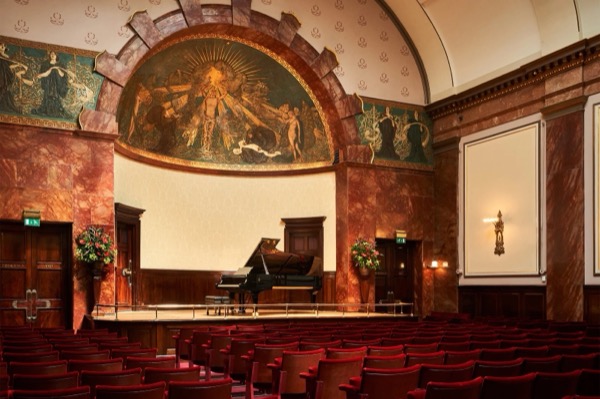
Wigmore Hall today
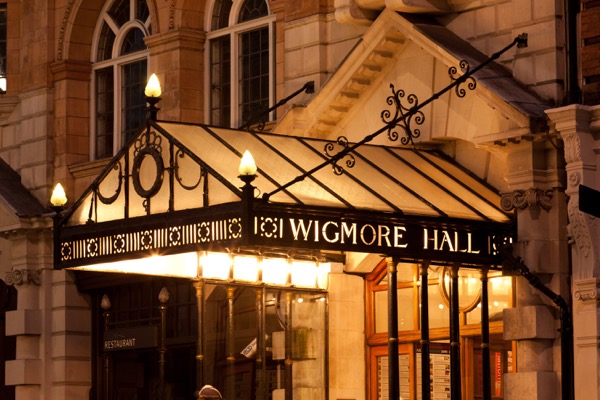
Wigmore Hall entrance
War time and changing hands
During the First World War, it became increasingly difficult for Bechstein Hall to trade viably. Strong anti-German sentiments and the passing of the Trading with the Enemy Amendment Act 1916 led to the hall’s closure in June 1916, and all property, including the concert hall and the showrooms, was seized and summarily closed. The hall was sold at auction to the Debenhams department store, rechristened Wigmore Hall, and opened under its new name at 3 pm on 16th January 1917. Instead of a German C. Bechstein piano, a French Erard graced the stage. Although a German instrument was forbidden, German music certainly was not, and the programme included works by Schubert and Schumann (the titles of which were given in English) – composers whose music continues to appear regularly in concert programmes at the hall.
For more of the best in classical music, sign up for our E-Newsletter
Franz Schubert: Auf dem Wasser zu singen, Op. 72, D. 774 (arr. P. Pierlot for voice, flute, guitar and viola da gamba) (Julian Prégardien, voice; Marc Hantaï, flute; Xavier Díaz-Latorre, guitar; Philippe Pierlot, viola da gamba)