Award-winning pianist, scholar, lawyer, and advocate for women composers, Dr Isabel Dobarro stands at the intersection of performance, research, and cultural activism. From her beginnings in Santiago de Compostela to appearances on stages including Carnegie Hall and Teatro Colón, her career reflects artistic distinction and a sustained commitment to reshaping the classical music canon.
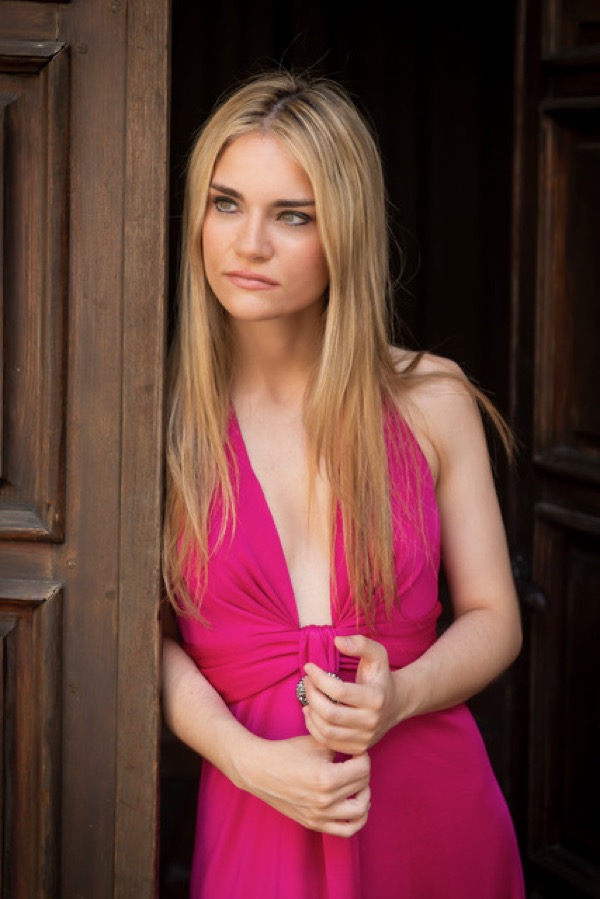
Isabel Dobarro
“I began playing the piano at the age of three in Santiago de Compostela,” she recalls. Though not born into a musical family, she grew up in a household where music was part of the environment, and the piano quickly became her voice.
Early artistic inspiration came from pianists such as Alicia de Larrocha, Aldo Ciccolini, and Daniel Barenboim, whose performances left a lasting impression. At fifteen, she entered the Royal Conservatory of Madrid, and at eighteen, she moved to New York to study at New York University.
“Living in New York and experiencing its cultural activity influenced me deeply,” she says.
Her time in New York proved formative. She performed at Carnegie Hall and Steinway Hall, taught at NYU from the age of nineteen, studied at the Manhattan School of Music, and completed a PhD in Piano Performance at NYU. After the pandemic, she returned to Spain, where she is now based.
Alongside her musical training, Dobarro also studied law. She sees both disciplines as interconnected rather than separate.
“I believe that passion for what you do is key,” she explains.
She emphasises the importance of legal knowledge for musicians, particularly in contracts and intellectual property, noting that without it, “artists can be a very vulnerable group.” She also highlights how music develops transferable skills such as discipline, resilience, collaboration, and the ability to perform under pressure.
Her international career has taken her to venues including Carnegie Hall, Teatro Colón, and the Palau de la Música. Yet she reflects less on prestige than on perspective.
“Thinking about the artists who have stood on those same stages is both moving and exciting.”
For Dobarro, performance is not only presentation but also about exchange.
“It is fascinating to see how different audiences respond to your music,” she says. “Classical music can truly serve as a space for intercultural exchange and mutual understanding.”
This sense of dialogue extends into her advocacy for women composers, a commitment that began with a moment in the classroom.
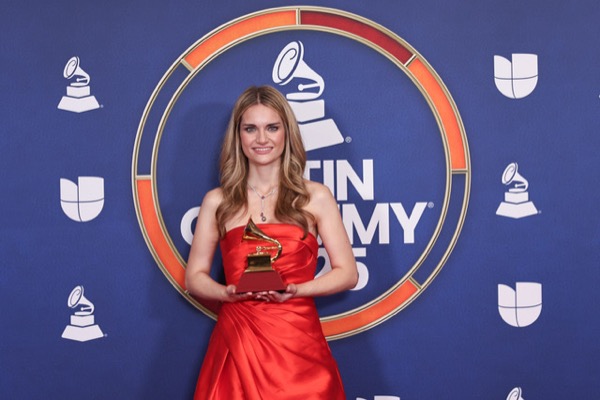
Isabel Dobarro
“A student asked me to name women composers, and I realised I could barely answer. That absence was striking and deeply troubling.”
What began as a moment of realisation became a long-term artistic and academic mission. Through performance, research, recording, and programming, she has worked to recover overlooked voices and bring them into the mainstream repertoire.
“My goal is not only to recover forgotten voices but to fully integrate them into the repertoire as an essential part of our musical heritage.”
Her work spans both historical and contemporary composers, including Clara Schumann, Pauline Viardot, Tania León, and Gabriela Ortiz. This advocacy has also taken institutional form through her initiative Women in Music, which fosters international and intergenerational collaboration across Europe and the United States.
“It was very moving to see such a wide range of musical aesthetics come together in concerts,” she reflects, particularly when teenage composers shared the stage with women in their nineties.
Alongside this, Dobarro is a strong advocate for contemporary music more broadly.
“Contemporary music is essential because it reflects the present moment,” she says.
For her, premieres represent both discovery and responsibility, helping to sustain the evolution of the repertoire.
This philosophy is reflected in her album Kaleidoscope, which has received major recognition, including Best Album at the Latin Grammys and the Gold Prize at the World Classical Music Awards.
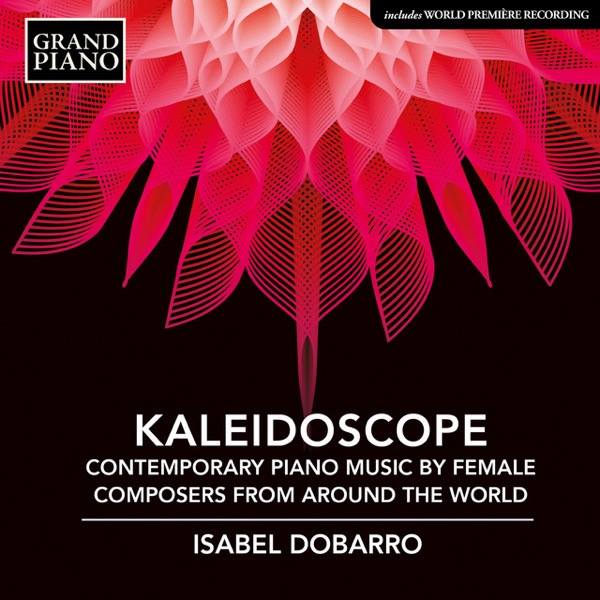
Album cover for Kaleidoscope
Yet she resists defining it through awards alone.
“Kaleidoscope is a very personal project because it brings together many aspects of my artistic identity,” she says.
The album features twelve contemporary women composers from around the world, each with a distinct musical language. Developed over three years, it also reflects more than a decade of research, collaboration, and advocacy.
“The promotion of women composers, both historical and contemporary, has been a central part of my artistic work over the past twelve years.”
Its global scope reflects her artistic identity, uniting voices from multiple continents in what she describes as “a message of unity in diversity.” Winning the Latin Grammy, she recalls, was both unexpected and meaningful.
“I was already thrilled to be nominated alongside Gustavo Dudamel and the LA Phil, but winning was truly a dream come true.”
For Dobarro, recognition is part of a broader responsibility to reimagine the artist’s role in society.
Throughout her career, she has sought to connect performance, research, and education, viewing each concert as part of a broader cultural conversation. Her work continues to expand through Women in Music, where she develops collaborations and mentorship structures that support emerging composers and encourage intergenerational exchange.
To young musicians, her message is clear.
“When your artistic work reflects your values and interests, it becomes authentic and resonates with audiences.”
Beyond individual expression, she offers a broader artistic philosophy.
“Being an artist means being a changemaker.”
For Dobarro, music is not only an art form but a space of responsibility, where dialogue, recovery, and imagination can quietly reshape what is heard and ultimately what is valued.
For more of the best in classical music, sign up for our E-Newsletter