Browse streaming platforms such as Spotify, Apple Music, and YouTube, as well as broadcasters like the BBC, and you will find curated playlists of music for relaxation, calm, winding down, nighttime, and sleep. That Max Richter’s Sleep – his landmark 2015 concept album and “eight-hour lullaby” designed to be listened to while sleeping – has surpassed 2 billion streams across all platforms is a testament to the popularity of this genre of music.
Max Richter: Sleep: Dream 1 (before the wind blows it all away) – Part I (Max Richter, piano)
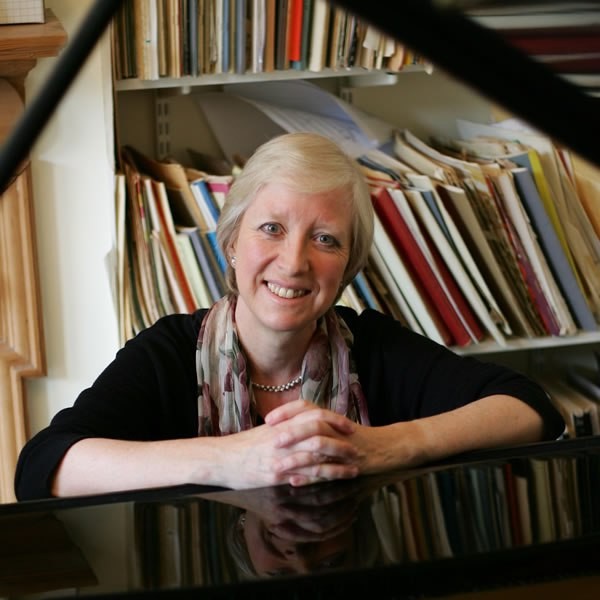
Susan Tomes
Why has the night inspired composers for so many years? In her new book Nocturnes and the Fascination of Night Music, pianist and writer Susan Tomes looks for answers, exploring one of classical music’s most expressive forms. The nocturne is closely linked to the piano and the quiet, thoughtful moods of the evening. Susan Tomes calls the nocturne “the origin of today’s sleep music….a short, lyrical and usually tranquil piece evoking night.”
When we think of nocturnes, Chopin often comes to mind. He elevated the form, transforming charming salon pieces into concert works, full of expression and pianistic detail. His nocturnes are amongst the most loved pieces for pianists and audiences alike, regularly appearing in concerts and recordings.
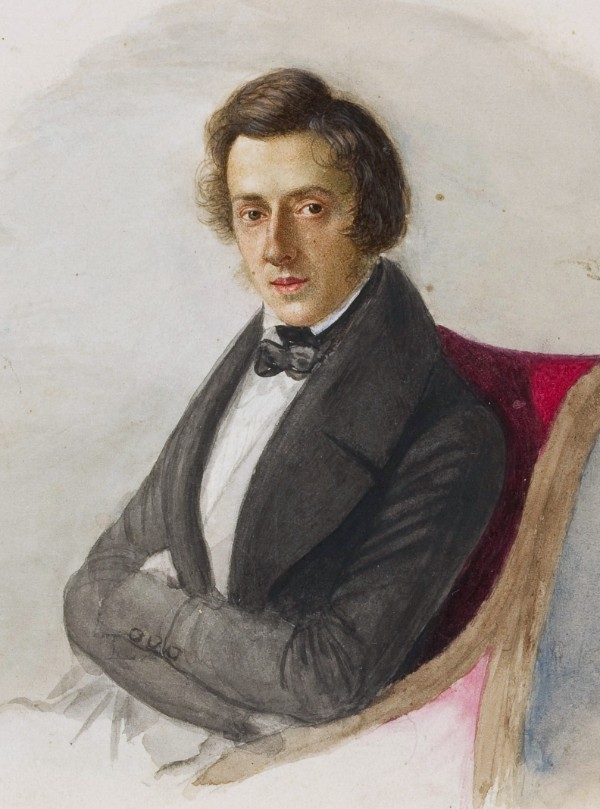
Maria Wodzińska: Frédéric Chopin, 1836 (Wasaw: National Museum)
Fryderyk Chopin: Nocturne No. 14 in F-Sharp Minor, Op. 48, No. 2 (Daniel Barenboim, piano)
But before Chopin, there was John Field, an Irish composer and a pupil of Muzio Clementi, who is credited with creating the genre.
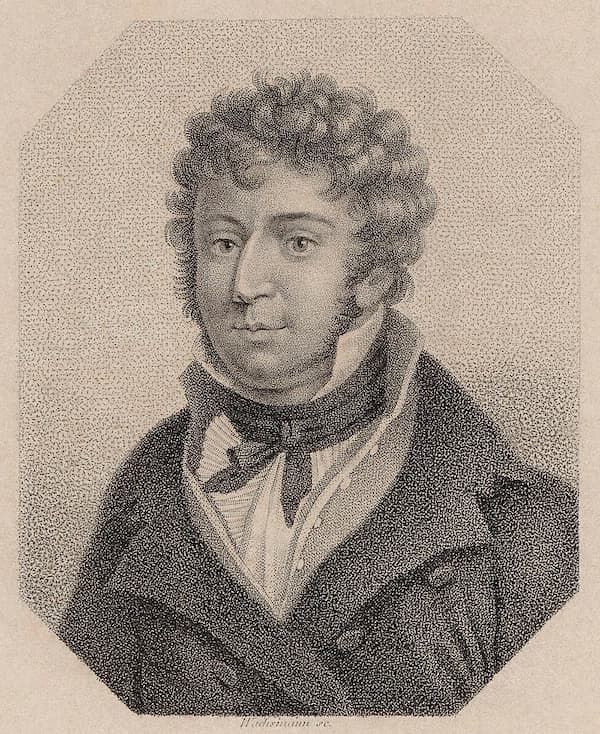
Anton Wachsmann: John Field, ca 1820 (Gallica: btv1b84179686)
John Field: Nocturne No. 1 in E-Flat Major, H. 24 (Alice Sara Ott, piano)
Susan Tomes looks back to the early nineteenth century, when composers began to write music that captured the quiet, emotional atmosphere of night. She points to pieces that seem to anticipate the nocturne, such as the first movement of Beethoven’s Moonlight Sonata and the slow movement of Mozart’s Piano Concerto K. 467.
Wolfgang Amadeus Mozart: Piano Concerto No. 21 in C Major, K. 467 – II. Andante (Murray Perahia, piano; English Chamber Orchestra; Murray Perahia, cond.)
Field is, of course, the key figure in the development of the Nocturne, and Tomes devotes considerable attention to his life and career, as well as to the emergence of the genre in his hands.
From there, she traces its evolution through some of the most celebrated figures in classical music – from contemporaries of Chopin like the Schumanns and the Mendelssohn siblings to Chopin’s ‘successor’, Gabriel Fauré, whose early Nocturnes seem close to Chopin’s while his later ones are bleaker, more challenging but no less passionate. Close attention is also paid to some of Fauré’s contemporaries, Tchaikovsky, Vincent d’Indy, Rachmaninoff, Scriabin and Chaminade, for example, before Tomes reaches Claude Debussy.
Debussy may have written only one Nocturne, but his sensitivity to the atmosphere of the evening and nighttime is clearly demonstrated in pieces such as Les sons et parfums tournent dans l’air du soir (Preludes, Book 1) and La soirée dans Grenade from Estampes.
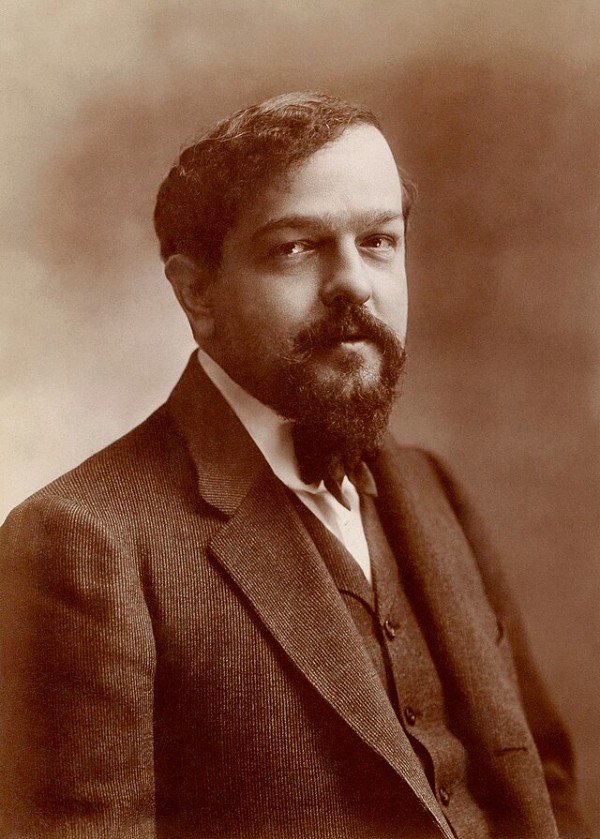
Atelier Nadar: Claude Debussy, ca 1890–1910
Claude Debussy: Preludes, Book 1 – No. 4. Les sons et les parfums tournent dans l’air du soir (Pierre-Laurent Aimard, piano)
The piano is at the heart of this story. Tomes explains that its wide range and expressive sound make it perfect for nocturnes. The piano’s intimacy, especially in the smaller, quieter instruments that Field and Chopin played, makes nocturnes feel personal and private, as if they are meant for quiet evening listening instead of big performances. This closeness is a big part of why they remain so appealing.
The latter half of the book brings us right up to the present day. Here Tomes explores wider examples of “night music” – Bartok’s haunting, often unsettling evocations, for example, The Night’s Music from the Out of Doors suite. Tomes highlights the composer Lowell Liebermann (b.1961), who follows “the conceptual line laid out by Faure in his later Nocturnes”, and who, like Bartok, presents nighttime as disquieting and austere. Here, Tomes shows how the nocturne developed from gentle lyricism into a far richer and more complex expressive form.

Lowell Liebermann
Béla Bartók: Out of Doors, Sz. 81 – The Night’s Music (Jenő Jandó, piano)
Lowell Liebermann: Nocturne No. 10, Op. 99 (Lowell Liebermann, piano)
A recurring theme throughout the book is the relationship between music and human experience. Night, Tomes suggests, is a time when the boundaries between waking and dreaming blur, thoughts become more fluid and emotions more pronounced. Composers have long been drawn to this atmosphere, using music to explore solitude, memory, and imagination.
The book also looks beyond music to examine how the idea of the nocturne appears in other arts. Painting, literature, and modern culture all share a fascination with night as a source of inspiration. By placing music in this broader context, Tomes reveals the nocturne not just as a genre but as part of a larger tradition focused on mood, atmosphere, and the passage of time.
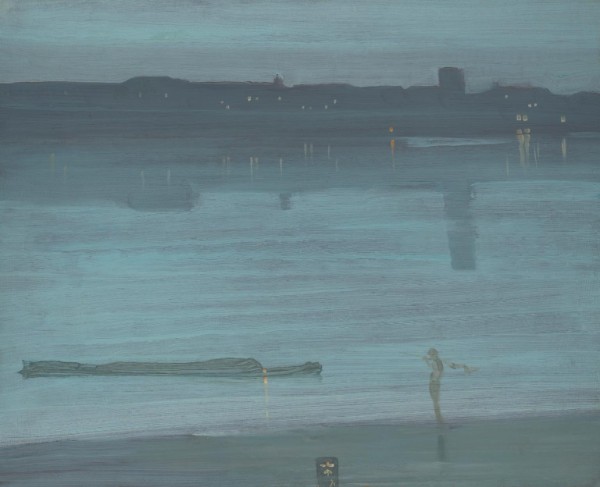
Nocturne by Whistler Nocturne: Blue and Silver – Chelsea (1871), James McNeill Whistler (Tate Gallery, London)
What sets Tomes apart is that she doesn’t see nocturnes as merely soothing or decorative. She presents them as deeply expressive pieces that span a wide range of emotions. Some nocturnes evoke calm, reflection, or a dreamlike feeling, while others suggest restlessness, unease, or even drama. In this way, the nocturne is not just a musical ‘lullaby’ but a genre that captures the uncertainty of night itself.
Francis Poulenc: Napoli, FP 40 – II. Nocturne (Michael Bell, piano)
Susan Tomes writes with clarity and warmth, combining scholarly knowledge with the perspective of a practising musician, offering detailed analyses of works and notes on performance – invaluable insights for pianists and teachers.
As with all her other writing, her approach is accessible, with her reflections grounded in her lived experience as a performer, thereby offering readers a sense not only of how nocturnes are constructed but also of how they feel to play and to hear. Rich in insight, detail, and musical examples, this engrossing, highly readable book is a must for musicians and music lovers.
Nocturnes and the Fascination of Night Music reminds us that night is not merely the absence of day, but a rich and evocative world in its own right, full of nuance, mystery, and creative possibility.
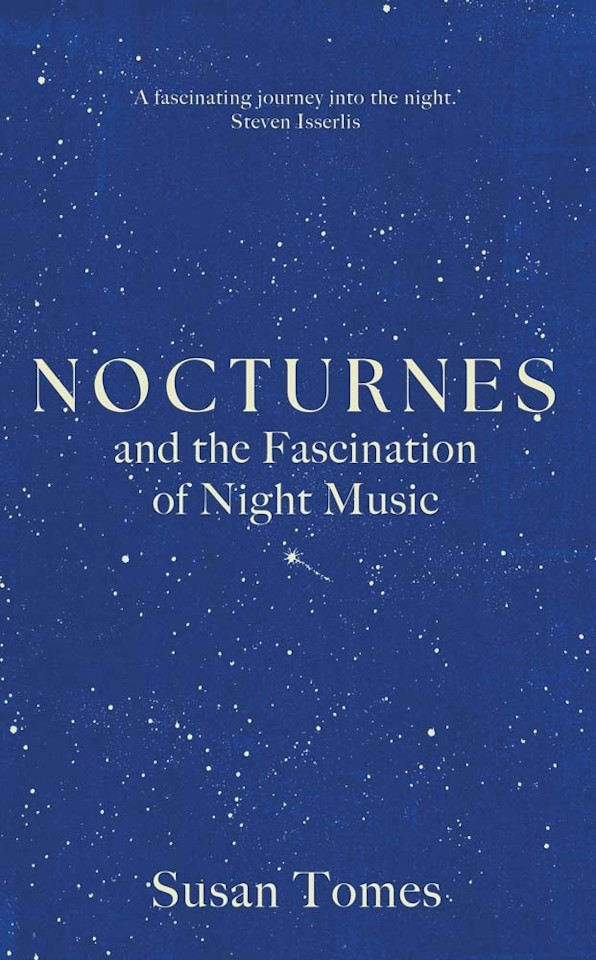
Nocturnes and the Fascination of Night Music is published by Yale University Press
For more of the best in classical music, sign up for our E-Newsletter