Richard Wagner was the manliest of composers. He was a titan who looked at opera and demanded more gods, added dragons, and maidens to guard the cursed gold.
Wagner’s stories are not dainty salon entertainments; they are mythic endurance tests populated by spear-wielding deities, doomed heroes, cursed treasure hoards, and emotions so large they need hours of music just to clear their throats.
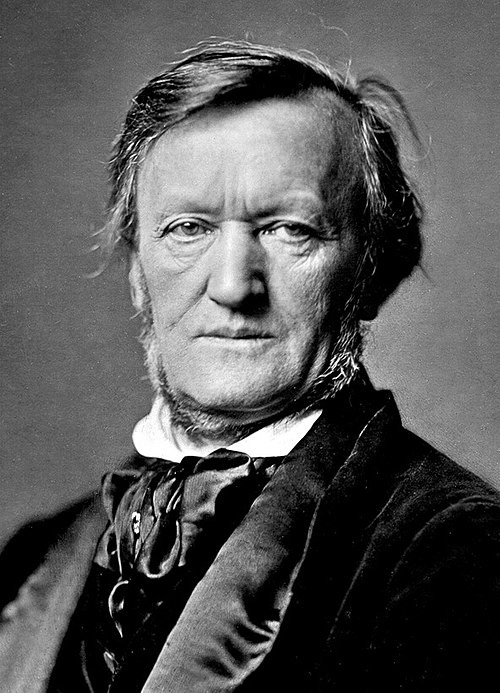
Richard Wagner
How on earth is a listener supposed to make sense of all this? When gods start breaking their own contracts, siblings fall in love, dragons lurk in caves, and everyone is obsessed with the same glittering lump of cursed gold, it can feel less like an opera plot and more like a mythological fever dream.
Luckily, Wagner gave us the leitmotif, a little musical idea latched onto characters, objects, emotions, or ideas. Richard Wagner died in Venice on 13 February 1883, but luckily, he left us a lifesaving leitmotif system, a friendly musical guide so you don’t get lost in the fog of very questionable family trees.
Richard Wagner: Siegfried Leitmotif
Music That Winks
It’s not all that complicated, really. Just imagine you’re at a concert, or watching a movie, and suddenly a little snippet of music pops up. Maybe it’s a short melody, a twinkling motif, or a dramatic chord.
And instantly your brain shouts, Ah, this is so-and-so’s theme! And that, my friends, is a leitmotif at work. Think of it as a musical name tag, a tiny signature that tells you who or what is on stage, or what feeling is in the air.
Simply put, a leitmotif is a recurring musical idea that’s attached to a character, a place, an object, or even an emotion. Every time you hear it, your ears and your imagination light up with recognition.
Richard Wagner: Ring Leitmotif
Melodies with Memory
Leitmotifs can be sneaky little storytellers, whispering secrets to your ears long before a character even steps on stage. That short snippet of melody can hint at who’s coming, giving you a musical heads-up before your eyes catch up.
Imagine hearing a dark, slow, menacing theme and immediately thinking, there is trouble on the way. Or maybe it’s a cheerful, bouncy tune that makes you smile before a beloved hero even appears. It’s like the music has its own little personality, nudging you to pay attention.
They’re also memory keepers, gently reminding you of events that have already unfolded. That same motif can pop up to recall a heroic deed, a heartbreak, or a mischievous prank, instantly transporting you back to a key moment in the story.
Richard Wagner: Love Leitmotif
Hear the Future
Your ears remember, even if your mind forgot! Think of it as musical déjà vu. The melody arrives, and suddenly you’re reliving a thrilling duel, a tender embrace, or a hilarious slip-on-the-ice moment, all without a single line of dialogue.
Leitmotifs can also play fortune teller, foreshadowing trouble or joy before it happens. A dark, ominous motif might creep in just before a villain strikes, while a bright, sparkling tune could signal that a magical or happy twist is coming.
Richard Wagner: Fafner (Dragon) Leitmotif
Mood in a Motif
Sometimes composers even twist and change motifs as the story evolves. What started as a cheerful melody might darken to hint at betrayal, or a sinister theme might soften to show redemption.
And the best part? They can evoke feelings without a single word being spoken. A simple motif can make your heart race, your pulse slow, or bring tears to your eyes. It’s an emotional shortcut straight from composer to listener.
Richard Wagner: Gold Leitmotif
Treasure Hunt in Sound
Sometimes it’s a longing, lilting tune that tugs at your soul; other times it’s a jaunty rhythm that makes your toes tap involuntarily. In short, a leitmotif is like a cheeky musical wink from the composer, letting you in on the story’s secret.
Every time it returns, you feel the connection, as if the music itself is sharing an inside joke with your ears. Once you start noticing these recurring themes, listening becomes a treasure hunt, a game of recognition, and a pure delight.
Your best chance of catching leitmotifs nowadays is to go to the movies. But for one of the best examples of using leitmotifs in classical music, you need to turn to Richard Wagner’s monumental Ring Cycle.
Richard Wagner: Longing Leitmotif
Leitmotifs Everywhere
Wagner’s Ring cycle is not an opera so much as a full-scale mythological binge-watch. It comes in four gigantic instalments, one cursed ring, and absolutely no chill.
Over the course of Das Rheingold, Die Walküre, Siegfried, and Götterdämmerung, we get bossy gods, rebellious Valkyries, fearless and frequently clueless heroes, dragons guarding bling, siblings who fall in love way too easily, and a river of gold that causes problems for literally everyone who touches it.
The drama is enormous, the emotions are supersized, and the orchestra is working overtime like a caffeinated narrator who refuses to whisper. And the best part? Wagner knows this story is huge, so he gives us musical leitmotifs everywhere.
By the time the world finally goes up in flames at the end, you don’t just hear the apocalypse, you actually recognise it. The Ring is epic, absurd, overwhelming, thrilling, and strangely addictive. You may arrive intimidated, but somewhere around the second dragon or the third heroic outburst, you’ll realise you’re having an absolute blast.
Richard Wagner: Valhalla Leitmotif
Musical Traffic Jam
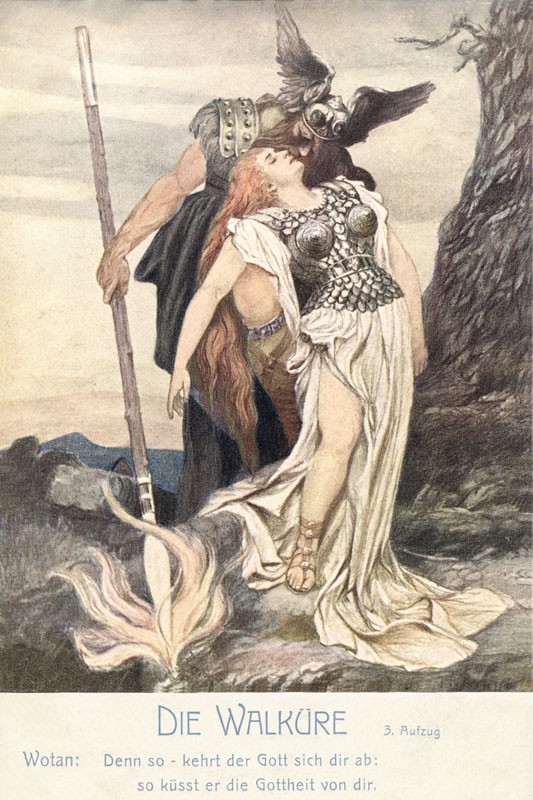
Wotan and Brünnhilde
Now that you know how all of this is supposed to work, let’s look at a specific scene where leitmotifs are just tripping over each other. I am talking about the opening of Act II of Die Walküre, with Wotan and Brünnhilde having a rather intense conversation.
Before anyone sings a word, Wagner throws us straight into the deep end. The Prelude opens with Wotan’s heavy, fate-soaked music growling in the low brass and strings, as if the god himself is pacing and muttering about his own bad decisions.
Soon, tender fragments of the Siegmund–Sieglinde love music peek through, like a secret that knows it won’t stay secret for long. Wotan’s stern material keeps muscling its way back in, tightening the screws and winding the tension higher.
As the music charges toward the curtain, quick flashes of rhythm and harmony give us a sly wink toward the Valkyrie world ahead, letting us know that something very loud and very dramatic is warming up just offstage.
Richard Wagner: Die Walküre – Act II Scene 1: Nun zäume dein Ross, reisige Maid! (Wotan) (Matthias Goerne, baritone; Hong Kong Philharmonic Orchestra; Jaap van Zweden, cond.)
Wotan’s Oops Moment
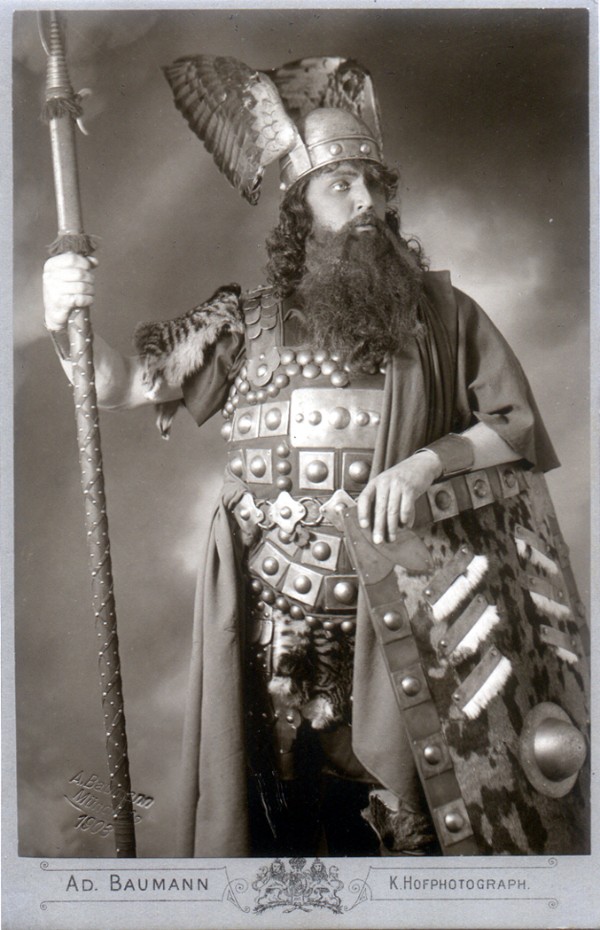
Fritz Feinhals as Wotan
Wotan then unloads the entire backstory of the Ring, and all the clever schemes that were supposed to guarantee divine power forever. As he tells it, you slowly realise that every rule he created to control the world now prevents him from fixing it.
He wants a free hero to recover the Ring, but because he is bound by his own laws, he cannot openly will that hero to succeed. Every sentence is basically, I thought this was a brilliant idea at the time.
Brünnhilde’s role is crucial, as she listens, absorbs, and becomes the first character to truly understand Wotan’s dilemma. By the end of the scene, the emotional action has shifted. Wotan stops posturing as ruler of the gods and reveals his exhaustion, self-loathing, and despair.
The big dramatic turn is internal rather than external. The god of contracts realises that contracts have killed his freedom. This moment sets up everything that follows: Brünnhilde’s rebellion, Wotan’s self-destruction, and the slow collapse of the divine order. The Ring doesn’t change hands, but the meaning of power does.
Richard Wagner: Brünnhilde Leitmotif
The Ring Strikes Back
As Wotan keeps talking, and talking, and talking, the orchestra becomes a hyperactive translator, matching every emotional swerve with a new leitmotif popping up. The Spear motif, the source of Wotan’s power, keeps trying to stand at attention, stern and upright, but it’s constantly interrupted by memories it would rather not revisit.
Then the Valhalla motif, the home of the gods, floats in with all its polished grandeur, only to sag under its own weight, as if the gods’ shiny palace is already developing cracks. Every noble declaration is immediately followed by a musical however.
Then the music really starts to gossip. The Ring motif reappears, darker and heavier now, and the Curse motif clings to it like a shadow that won’t let go. When Wotan recalls the renunciation of love, the harmony twists just enough to make you wince.
Richard Wagner: Curse Leitmotif
Divine Meltdown
It is the sound of a cosmic rule that seemed clever at the time and now feels like a terrible idea. And just when the divine machinery threatens to grind everything into despair, the Wälsung motif crashes the party. This motif represents the twins Siegmund and Sieglinde, separated at birth. They fall in love rather incestuously; Siegmund is killed, but Sieglinde will give birth to the hero Siegfried.
By the end of the scene, the orchestra is juggling laws, curses, castles, and doomed love all at once. The leitmotifs aren’t just identifying things. They’re arguing, interrupting, and occasionally shouting over one another.
Wotan may be the one explaining the plot, but the orchestra is the one having the emotional breakdown, gleefully revealing that the grand plan of the gods is already unravelling. Of course, it doesn’t unfold in a hurry. This deliciously slow-motion divine meltdown takes nearly ninety minutes, giving the orchestra plenty of time to gasp, groan, shimmer, and whisper all the secrets Wotan would rather keep buried.
For more of the best in classical music, sign up for our E-Newsletter