Sergei Rachmaninoff and Vladimir Horowitz, two titans of the classical music world, share a profound connection that resonates deeply with listeners who appreciate the emotional depth, technical virtuosity, and expressive power of their artistry.
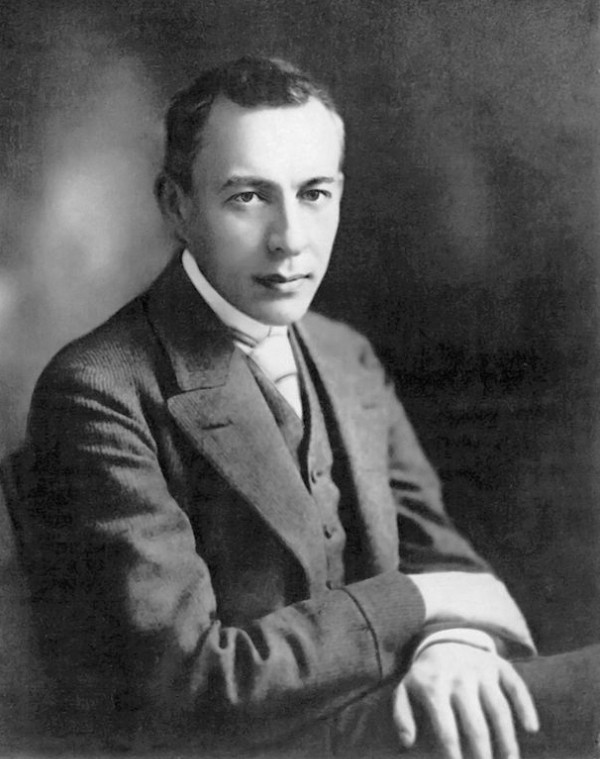
Sergei Rachmaninoff
While Rachmaninoff was a composer, pianist, and conductor whose works defined late Romanticism, Horowitz was a pianist whose interpretations of Rachmaninoff’s music brought it to life with unparalleled intensity and flair.
If you are captivated by Rachmaninoff’s lush harmonies, sweeping melodies, and technical demands, you are likely to find Vladimir Horowitz’s performances equally compelling.
Vladimir Horowitz plays Rachmaninoff: Preludes, Op. 32, No. 12
Russian Soulmates
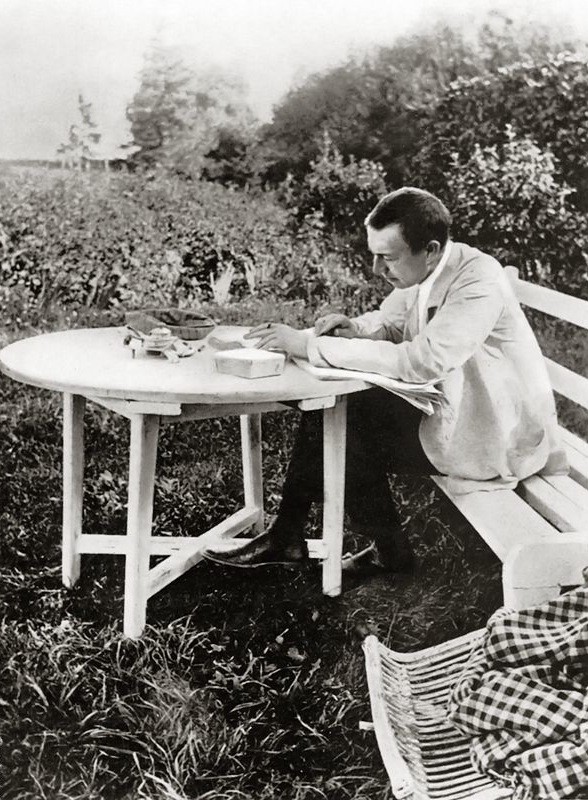
Sergei Rachmaninoff
One of the most immediate connections between Rachmaninoff and Horowitz is their shared Russian heritage, which profoundly shaped their musical identities. Rachmaninoff hailed from Semyonovo, while Horowitz was born in Kyiv, then part of the Russian Empire.
Rachmaninoff was steeped in the Russian Romantic tradition, influenced by composers like Tchaikovsky and Rimsky-Korsakov. As such, his compositions are imbued with a distinctly Russian soul, marked by melancholic lyricism, dramatic contrasts, and a sense of longing.
Horowitz carried the same cultural and emotional weight in his playing. His interpretations of Russian music were infused with an intuitive understanding of its emotional landscape, shaped by the same cultural milieu. If you are drawn to the brooding intensity and lyrical beauty of Rachmaninoff’s compositions, Horowitz’s ability to channel these qualities through his playing will likely resonate with you.
Sergey Rachmaninov: Etudes-tableaux, Op. 39 (excerpts) (Vladimir Horowitz, piano)
Technical Titans
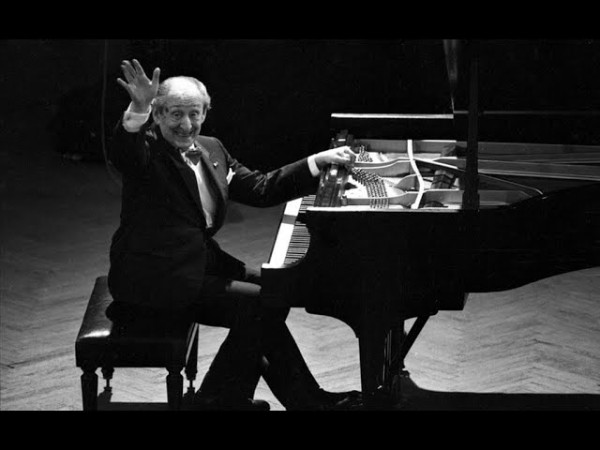
Vladimir Horowitz
Rachmaninoff’s music is renowned for its technical complexity, requiring pianists to navigate intricate passages, rapid chord progressions, and massive hand stretches, challenges that reflect Rachmaninoff’s own virtuosic abilities as a pianist.
Horowitz, widely regarded as one of the greatest pianists of the 20th century, was uniquely equipped to meet these demands. His technical prowess, characterised by lightning-fast finger work, crystalline clarity, and an almost superhuman control of dynamics, made him the ideal interpreter of Rachmaninoff’s works.
If you admire Rachmaninoff’s ability to push the boundaries of piano technique, you will likely be enthralled by Horowitz’s effortless mastery of these demands, which transforms technical feats into moments of musical transcendence.
Vladimir Horowitz plays Rachmaninoff: Polka de W.R.
Kindred Spirits
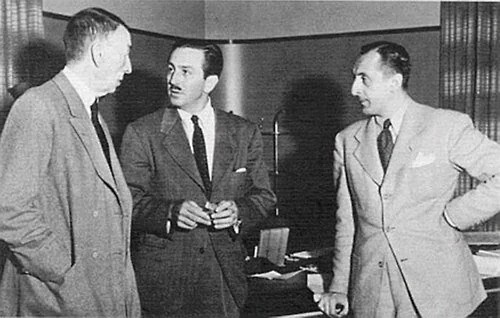
Walt Disney, middle, with Rachmaninoff and Vladimir Horowitz in 1942 © reddit.com
In addition, Rachmaninoff himself recognised Horowitz’s extraordinary talent. The two met in the 1920s, and Rachmaninoff was so impressed by Horowitz’s playing that he entrusted him with premiering some of his works, including the revised version of the Piano Concerto No. 2.
Their mutual admiration underscores the synergy between composer and performer, making Horowitz’s recordings a natural choice for fans of Rachmaninoff’s music. Beyond technical brilliance, both Rachmaninoff and Horowitz were masters of emotional expression. Rachmaninoff’s compositions are deeply personal, often reflecting his struggles with depression, exile, and nostalgia for his Russian homeland.
His music oscillates between moments of aching lyricism and explosive passion, inviting listeners into a world of profound emotional contrasts. Horowitz’s playing mirrored this intensity, with a dynamic range that could shift from delicate pianissimos to thunderous fortissimos in an instant.
Vladimir Horowitz plays Rachmaninoff: Piano Sonata No. 2 in B-flat minor, Op. 36
Timeless Resonance
Horowitz’s interpretations of Rachmaninoff’s music are notable for their dramatic flair and emotional immediacy, as he balances lyrical introspection with virtuosic outbursts in a way that feels both spontaneous and meticulously crafted. Horowitz had a unique ability to highlight the emotional nuances of Rachmaninoff’s writing, making each phrase sing with individuality.
This emotional alignment is further enhanced by Horowitz’s use of tonal colour and phrasing. He was known for his ability to make the piano “sing,” much like a human voice, a quality that perfectly suits Rachmaninoff’s vocal-like melodies.
The connection between Rachmaninoff and Horowitz extends beyond their lifetimes, as both have left an indelible mark on classical music. Rachmaninoff’s compositions remain staples of the concert repertoire, beloved for their accessibility and emotional resonance. Horowitz, through his recordings and legendary performances, played a crucial role in popularising Rachmaninoff’s music, particularly in the United States.
Sergey Rachmaninov: 10 Preludes, Op. 23: No. 5 in G Minor: Alla marcia (Vladimir Horowitz, piano)
Mastery of Spirit
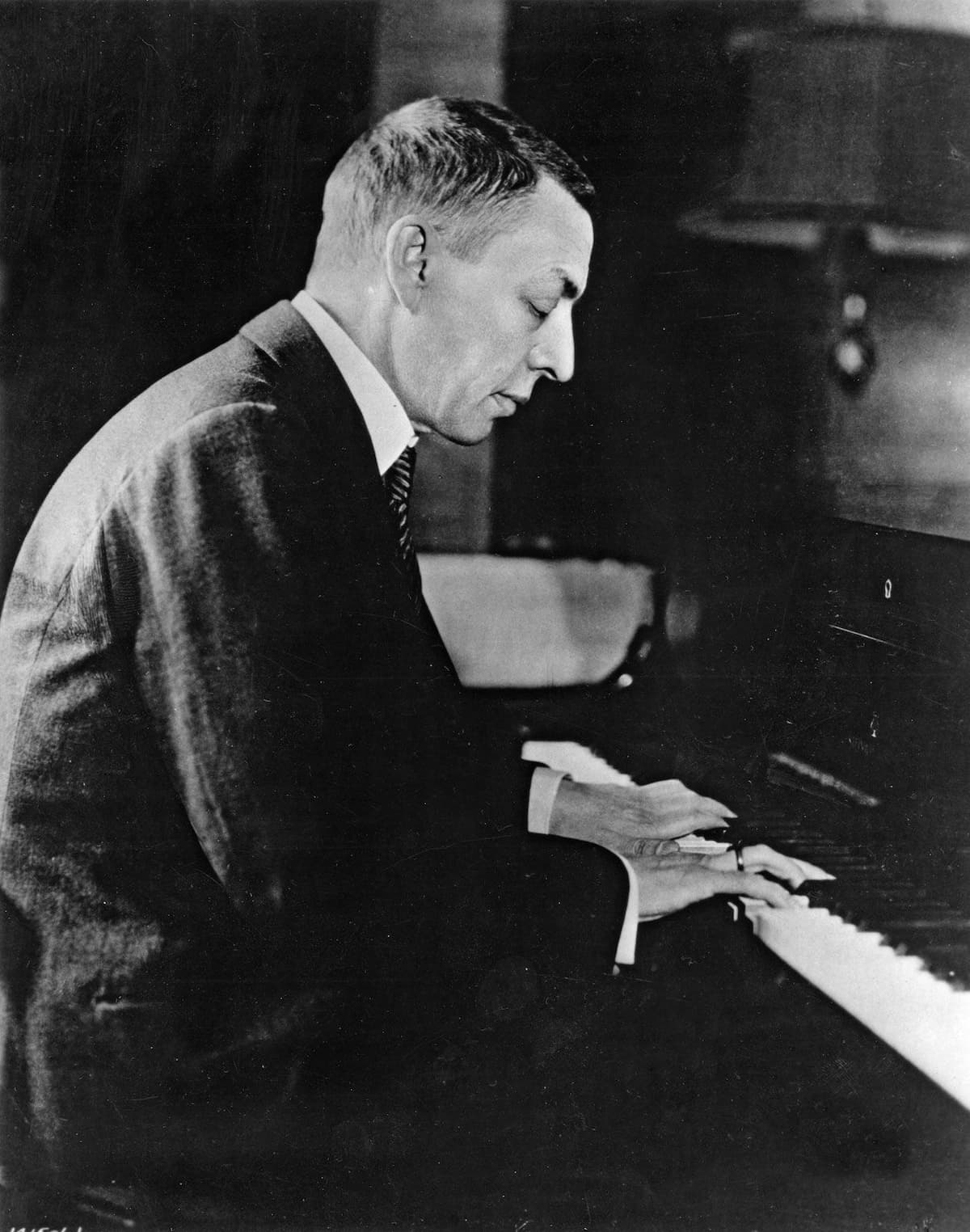
Sergei Rachmaninoff
The Horowitz recordings offer a window into the composer’s world, as interpreted by a pianist who knew him personally and understood his music intimately. Horowitz’s influence also extends to his role as an inspiration for future generations of pianists. His performances of Rachmaninoff’s music set a standard for technical and emotional excellence, encouraging others to explore the composer’s works with similar dedication.
If you are a fan of Sergei Rachmaninoff’s music, Vladimir Horowitz’s performances are likely to captivate you for their shared Russian heritage, technical brilliance, emotional depth, and lasting influence. Horowitz’s ability to channel the spirit of Rachmaninoff’s compositions through his virtuosic technique, expressive phrasing, and intuitive understanding of the music’s emotional core makes him an ideal interpreter.
For more of the best in classical music, sign up for our E-Newsletter