Composer Robert Schumann, quintessential Romantic composer, is famous for embracing the era’s love of cross-pollinating music and literature.
For years, he had trouble fully committing to either music or writing, and he drew inspiration from storytelling and literature throughout his entire musical career.
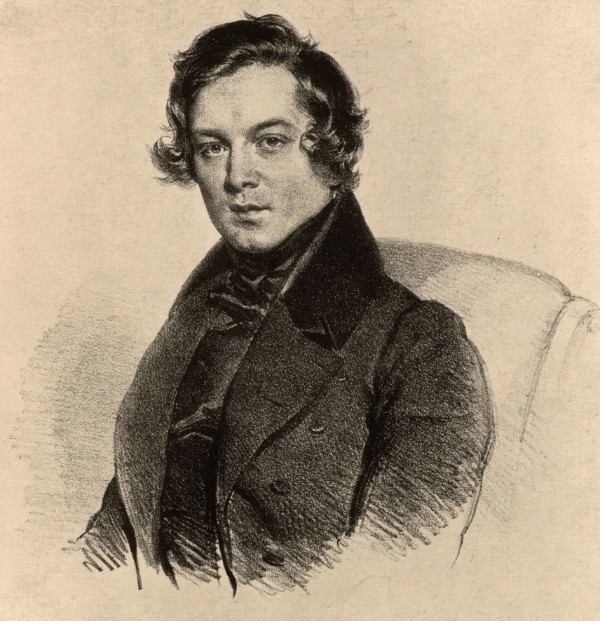
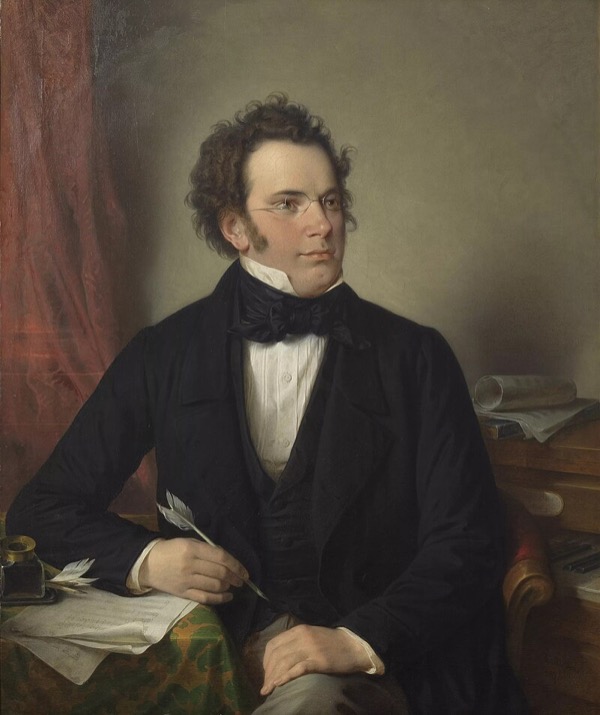
Robert Schumann
One of the most striking examples of this is a concept he used both in his writing and his music called the Davidsbündler, or the League of David.
The Davidsbündler was a circle of friends whom Schumann fictionalised into a metaphorical army fighting for his favoured artistic principles and priorities.
Today, we’re looking closer at what it was, who it involved, and how it impacted his work.
What Does the Davidsbündler Mean?
The name “Davidsbündler” is in reference to a famous Biblical story.
In the Old Testament book of I Samuel, Israelite teenager David uses a slingshot to defeat the enormous warrior Goliath, a member of the ancient race of people known as the Philistines.
In early nineteenth-century Germany, the word “Philistine” had become shorthand for a specific kind of uneducated person: someone who is brutish and materialistic, with a hostility toward meaningful art.
Therefore, by invoking the Biblical story in his work, Schumann was casting himself as an unlikely young hero, favoured by God or supernatural forces, fighting back against a world unfriendly to art, despite long odds of victory.
What Inspired the Davidsbündler?
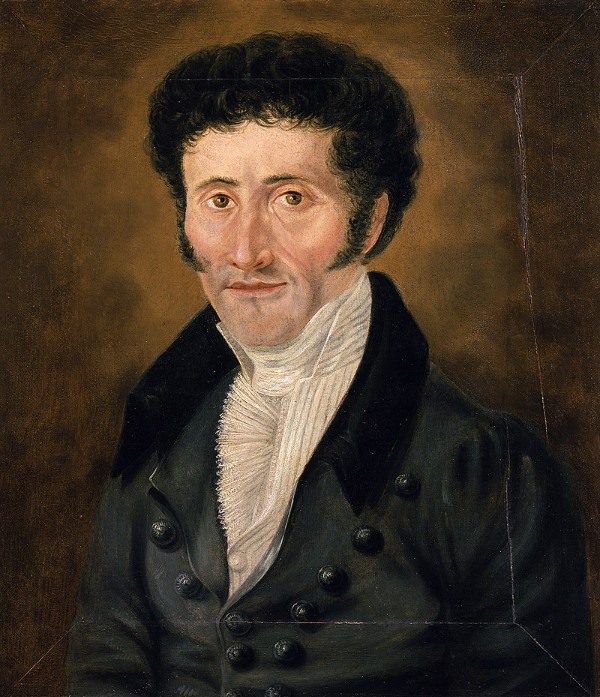
E.T.A. Hoffman
The Davidsbündler existed in the context of Romantic Era literary societies. At the time, members of these organisations often embraced the idea of blurring the lines between fiction and reality.
For instance, musician and author E.T.A. Hoffman formed a famous literary circle among his friends that became known as The Serapion Brethren.
In 1818, Hoffman published an entire series of stories called The Serapion Brethren. This book employs a meta-framing device: a fictionalised group of friends telling and debating the stories within the collections. Historians have since tried to connect the fictional versions of the characters with real-life counterparts (to limited success).
When Robert Schumann, who had spent his life struggling to choose between music or literature, began writing music criticism, he embraced the trend of fictionalising himself and other musicians.
When did the Davidsbündler First Appear?
Schumann’s first essay on music was called, fittingly, “The Davidsbündler.” It was published in 1833 in the magazine Der Komet (The Comet). At the time, Schumann was twenty-three years old.
In it, the narrator finds a scrap of paper informing him he has been chosen to “translate the secrets of the Society of the World…which shall swat the Philistines, musical and otherwise!”
The missive is signed by a variety of characters, including Florestan and Eusebius, names that Schumann would ultimately bestow upon different parts of his own personality in his criticism.
Robert Schumann’s Davidsbündlertänze
Who were These Florestan and Eusebius Characters?
The existence of Florestan and Eusebius reveals how Schumann thought of his personality as segmented – and at times even opposed to itself.
In his article “Fighting the Philistines: Robert Schumann and the Davidsbündler”, historian Stephen J. White describes the two characters like this:
When taken literally, Florestan and Eusebius represent Schumann’s own mental instability and duality.
Florestan represents the wild, extroverted side of Schumann’s inner self, which is manic and unpredictable, and Eusebius represents his pensive and introverted side, which is characteristically depressed.
Who Was Part of the Davidsbündler?
After Robert Schumann founded the musical journal Neue Zeitschrift für Musik (the New Journal for Music) in 1834, he continued developing the literary device that was the Davidsbündler.
Over time, fictionalised versions of various personalities appeared in Schumann’s music criticism as members of society.
Master Raro was a character who represented the ideal balance between the extremes exemplified by Florestan and Eusebius. The name has also been linked to Friedrich Wieck. It has been theorised that the letters R-A-R-O might represent the merging of the names Cla(ra) and (Ro)bert. The master often settles disputes in Schumann’s writings.
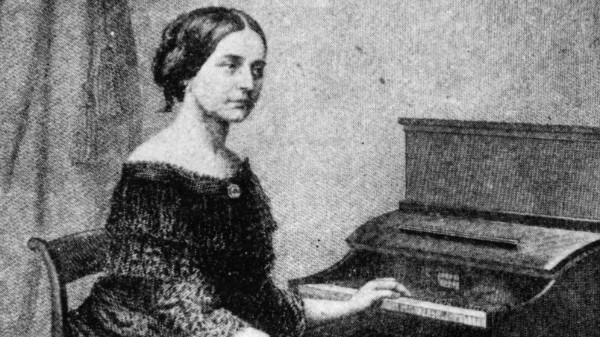
Clara Schumann
The names Chiara, Chiarina, and Zilia represent Clara Wieck.
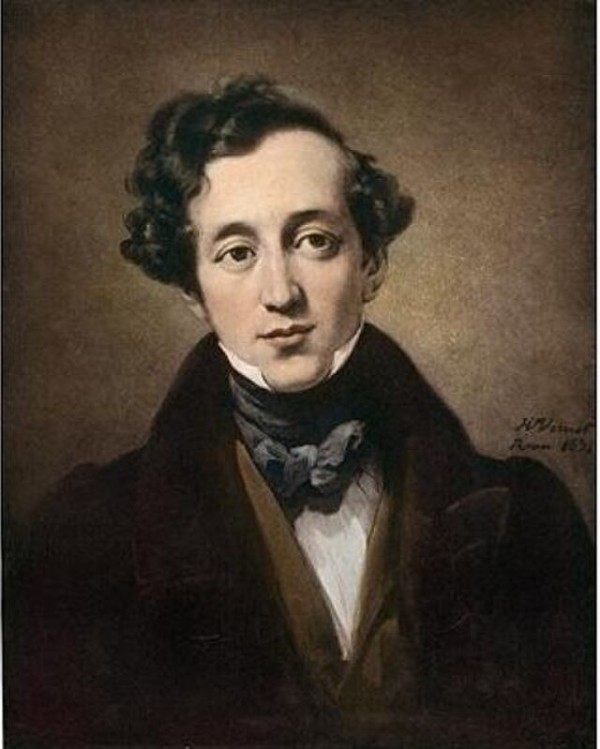
Horace Vernet: Felix Mendelssohn, 1831
Felix Meritis represents Felix Mendelssohn.
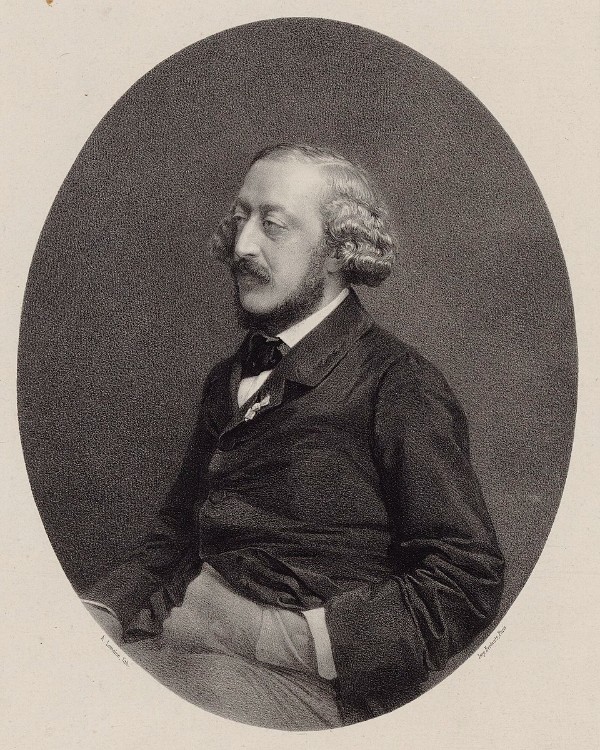
Stephen Heller
Jeanquirit represents Stephen Heller, a Hungarian pianist and teacher.
Does the Davidsbündler Appear in Schumann’s Music?
Schumann didn’t just use the characters from the Davidsbündler in his music writing. He was also inspired by them when composing.
His multi-movement piano work Carnaval tells the story of masked revelers during Carnival, a festival celebrated before the sobriety of Lent.
Movements five and six are titled Eusebius and Florestan, respectively. The eleventh is called Chiarina, for Clara Wieck.
The finale, titled Marche des “Davidsbündler” contre les Philistins, features a “theme from the 17th century” that represents old-fashioned aesthetic ideas popular with “philistines.”
In between, snippets of earlier movements appear, signifying the battle being wielded between Schumann and his allies against popular musical tastes.
Robert Schumann’s Carnaval
The Davidsbündler and characters from it appear in his other works, too.
Understanding the concept of the Davidsbündler is important to fully understanding Schumann’s rich creative world, and all the fascinating personalities within it.
For more of the best in classical music, sign up for our E-Newsletter