Jessye Norman, a name synonymous with vocal grandeur and artistic transcendence, emerged from Augusta, Georgia, to become one of the most celebrated sopranos of the 20th century. Born on 15 September 1945, her journey from a church choir to the world’s most prestigious opera houses is a testament to her prodigious talent and unyielding determination.
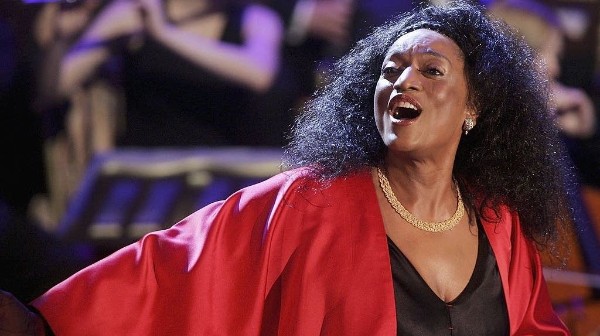
Jessye Norman
With a richly resonant and effortlessly versatile voice, Norman captivated audiences in roles ranging from Wagner’s heroines to Mozart’s countesses, while also championing spirituals and contemporary works with equal passion.
Her commanding presence, both on stage and off, coupled with her deep commitment to music as a force for human connection, made her not just a performer but a cultural icon whose legacy continues to inspire.
To celebrate her birthday on 15 September, let’s sample some of her most iconic performances and recordings.
Jessye Norman sings Saint-Saëns: “Mon cœur s’ouvre à ta voix,” Samson et Dalila
Eternal Radiance
Jessye Norman’s performances of Richard Strauss’ Four Last Songs stand as towering monuments in her illustrious career. Her lush and radiant voice breathed life into the composer’s elegiac reflections on mortality and transcendence.
With a tone that shimmered like burnished gold, she wove through Frühling’s vibrant awakening, September’s tender farewell, Beim Schlafengehen’s ethereal dreamscape, and Im Abendrot’s serene acceptance with a mastery that felt both effortless and profound.
Critics and audiences alike were spellbound by her interpretations, which balanced operatic grandeur with intimate vulnerability. Reviews across her performances praised her “velvet curtain of sound” and “heartfelt phrasing,” noting how she captured the music’s autumnal glow with a voice that seemed to hold both life’s joy and its inevitable close. Norman’s interpretations were events with intellect and spirit converging to create something transcendent.
Jessye Norman sings Strauss: Four Last Songs
Eternal Ecstasy
Jessye Norman’s performances of Isolde’s Liebestod from Richard Wagner’s Tristan und Isolde stand as luminous peaks in her storied career, where her voice brought the transcendent ecstasy of Wagner’s music to life.
With a tone that glowed like molten amber, she navigated the aria’s soaring arcs and intricate dynamics, transforming Isolde’s final moments of love and dissolution into a sonic revelation. Her commanding presence and vocal power imbued the Liebestod with a sense of inevitability, as if love itself were ascending to the divine, yet her nuanced phrasing revealed the human fragility beneath the rapture.
Critics and audiences were captivated by her ability to balance Wagner’s monumental orchestral demands with intimate, heart-wrenching expression. Reviews hailed her “incandescent” delivery and “unearthly splendour,” praising how she wove passion and serenity into a single, breathtaking thread.
Jessye Norman sings Wagner: “Mild und leise wie er lächelt,” Tristan und Isolde
Grace and Resilience
Jessye Norman’s performances of African American spirituals stand as radiant pillars in her extraordinary career, where her voice brought the timeless depth of these sacred songs to life. With a tone that resonated like a warm, enveloping embrace, she infused these works with a spiritual intensity that honoured their origins in faith and resilience.
Her singing wove together the raw emotion of her gospel roots with the refined artistry of her classical training, creating renditions that felt both deeply personal and universally uplifting.
Critics and audiences were enthralled by her ability to balance the spirituals’ heartfelt simplicity with a commanding vocal presence, with reviews praising her “luminous sincerity” and “voice of velvet thunder,” noting how she captured the music’s hope and sorrow with unmatched emotional clarity.
Jessye Norman sings Spirituals: “Calvary/They Crucified My Lord”
Radiant Heartbreak
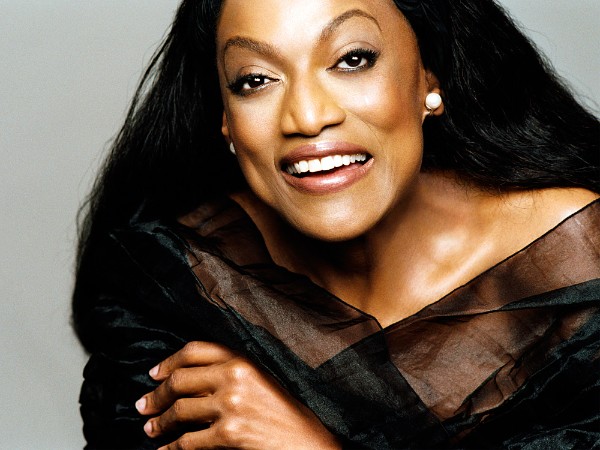
Jessye Norman
Jessye Norman’s performances of “Dido’s Lament” stand as hauntingly beautiful milestones in her remarkable career, where her voice brought the tragic queen’s farewell to unforgettable life.
With a tone that shimmered like a darkened jewel, she crafted each phrase of the lament with exquisite control, from the aching simplicity of “Thy hand, Belinda” to the soaring, anguished plea of “Remember me.” Her interpretation married operatic precision with raw emotional truth, capturing Dido’s stoic dignity and heartbreak.
Norman’s artistry was matched by her intellect and grace, qualities that shone through in every performance and interview. She broke barriers as a Black woman in a predominantly white classical music world, doing so with a dignity that demanded respect and a voice that silenced prejudice.
For more of the best in classical music, sign up for our E-Newsletter