In the annals of classical music, few figures have left footprints as profound and enduring in the art of orchestral performance as Sir Roger Norrington. A conductor, scholar, and visionary, Norrington’s legacy is one of daring innovation, meticulous scholarship, and an unwavering commitment to breathing new life into the works of the past.
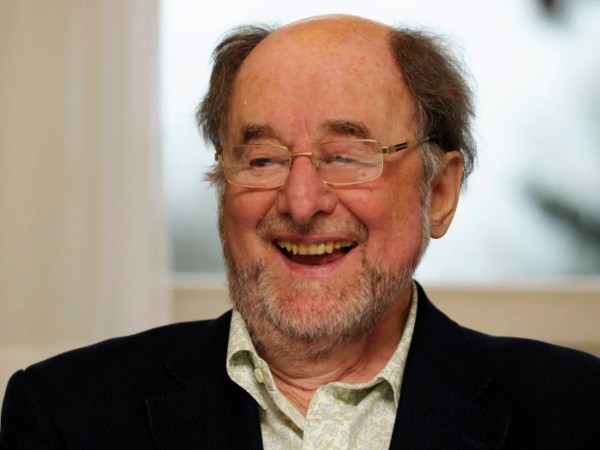
Sir Roger Norrington
Norrington’s rise to prominence coincided with the burgeoning HIP movement of the late 20th century. At a time when lush, romanticised interpretations of classical music dominated concert halls, Norrington dared to challenge convention. He believed that to truly understand a composer’s intent, one must perform their music as it might have sounded in their own time, using period instruments, historically appropriate tempos, and techniques faithful to the era.
Roger Norrington conducts Haydn’s Symphony No. 87 in A Major
Redefining Music
Born on 16 March 1934, in Oxford, England, Roger Arthur Carver Norrington came from a family steeped in musical tradition. His early years were shaped by a deep love for music, fostered by his education at Dragon School, Westminster School, and later at Clare College, Cambridge, where he studied English literature. Yet it was his immersion in the vibrant choral and orchestral scenes of Cambridge that ignited his lifelong passion for conducting.
After honing his skills as a tenor and violinist, Norrington founded the Schütz Choir in 1962, a pivotal moment that marked the beginning of his journey into the world of early music. This ensemble, dedicated to the works of Heinrich Schütz and other Baroque composers, showcased Norrington’s early fascination with authenticity and historical context, an interest that would define his career.
The path towards historically informed performances was a gradual process. As Norrington explains, “Until the 1960s, it was always the creative thing to make the music the way you feel it now. For instance, when Mozart edited Handel, he made it sound like Mozart. He did not have any notion that Handel should sound like Handel. He thought it should be updated, that it should be made fit for modern taste. That elastic band that stretched from around 1750 broke completely in 1960.”
Johann Sebastian Bach: Keyboard Concerto in D Minor, BWV 1052 (Sebastian Knauer, piano; Zürich Chamber Orchestra; Roger Norrington, cond.)
Journey into Historical Sound
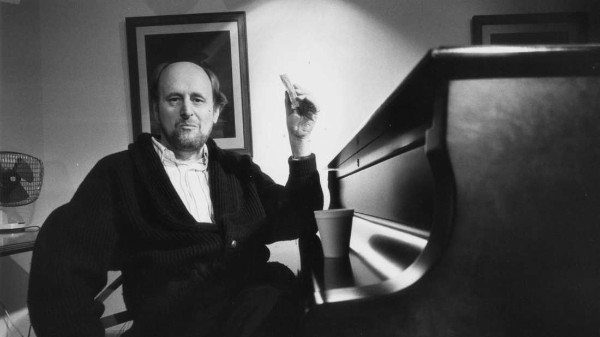
Sir Roger Norrington
“We went back and found out something about what it sounded like then. To our surprise, it did not sound poverty-stricken but had tremendous punch. Hearing a great performance of Bach on original instruments had the most amazing qualities of newness.” Norrington then used the same approach to music of the Nineteenth Century, approaching it via the Baroque rather than from the Twentieth Century.
One of Norrington’s most significant contributions was his groundbreaking work with the London Classical Players, an orchestra he founded in 1978. The result of performing music on period instruments and historically informed practices was a revelation. Audiences were astonished by the crisp, transparent textures and lively tempos of Norrington’s performances.
Wolfgang Amadeus Mozart: Symphony No. 38 in D Major, K. 504, “Prague” – I. Adagio – Allegro (London Classical Players; Roger Norrington, cond.)
Unlocking Beethoven
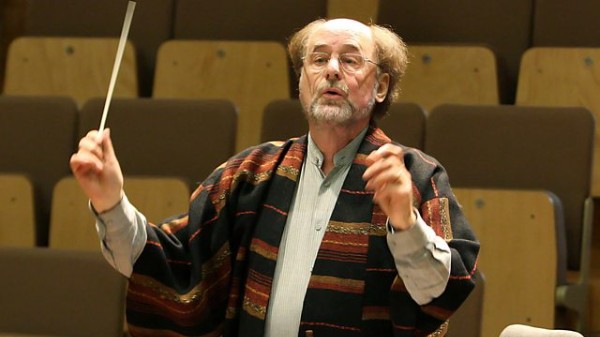
Sir Roger Norrington
His recordings of Beethoven’s symphonies, in particular, became touchstones of the HIP movement, offering interpretations that were both scholarly and exhilarating. Norrington’s approach to Beethoven was nothing short of revolutionary. He argued that the metronome markings in Beethoven’s scores, long dismissed as impractical by conductors, were not mistakes but deliberate indications of the composer’s vision.
By adhering to these brisk tempos, Norrington unlocked a sense of urgency and vitality in Beethoven’s music that had been obscured by slower, more grandiose interpretations. His 1989 recording of Beethoven’s Symphony No. 9 with the London Classical Players remains a landmark achievement, its fleet pacing and lean orchestration revealing the work’s revolutionary spirit in a way that felt both radical and authentic.
Ludwig van Beethoven: Symphony No. 9 in D Minor, Op. 125, “Choral” – I. Allegro ma non troppo e un poco maestoso (London Classical Players; Roger Norrington, cond.)
Blending Scholarship with Emotions
Beyond Beethoven, Norrington’s versatility as a conductor allowed him to illuminate a vast repertoire, from the Baroque intricacies of Bach and Handel to the Romantic fervour of Berlioz and Wagner. His tenure as music director of the Orchestra of the Age of Enlightenment further solidified his reputation as a master of historical performance.
Yet Norrington was never dogmatic. He approached each composer with a fresh perspective, blending rigorous scholarship with an intuitive sense of drama and expression. His performances were not museum pieces but living, breathing interpretations that captivated audiences with their immediacy and emotional depth.
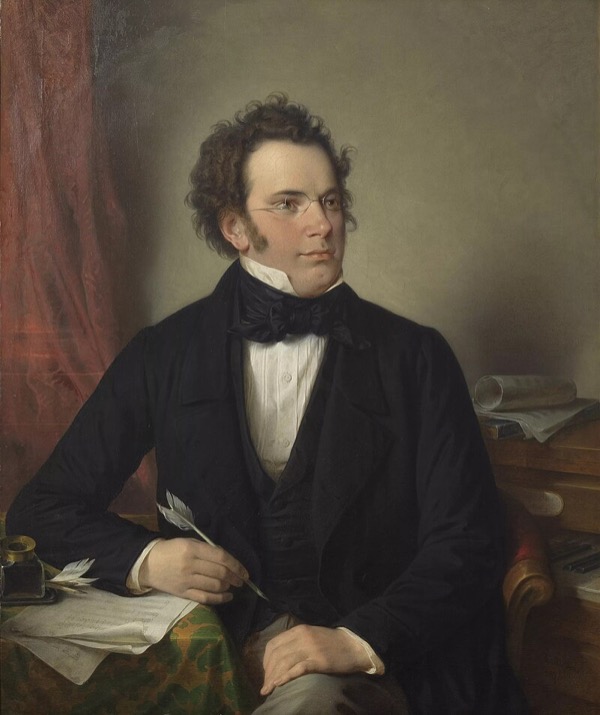
Franz Schubert: Symphony No. 6 in C Major, D. 589 – II. Andante (Stuttgart Radio Symphony Orchestra; Roger Norrington, cond.)
Mentor, Storyteller and Visionary
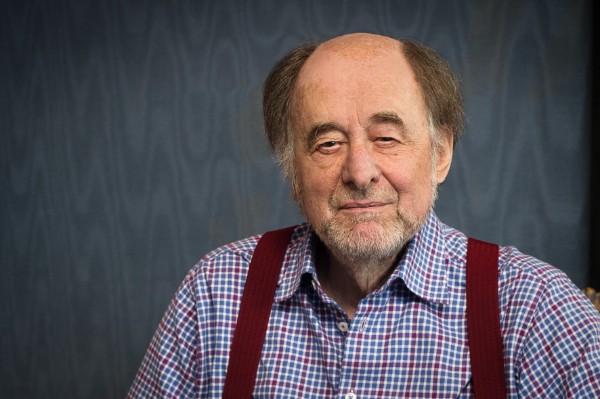
© Thomas Entzeroth
Norrington’s influence extended far beyond the concert hall. As a teacher and mentor, he inspired generations of musicians to embrace the principles of historical performance. His lectures and masterclasses, delivered with characteristic wit and erudition, demystified the complexities of period practice, encouraging performers to engage with the music’s historical context while remaining true to their artistic instincts.
Yet it is perhaps Norrington’s sheer joy in music-making that leaves the most lasting impression. Those who attended his concerts or listened to his recordings could not help but be swept up by his infectious energy. Norrington brought an unmistakable sense of vitality to every performance. His gestures on the podium were precise yet expressive, as if channelling the spirit of the composers themselves.
Sir Roger Norrington, who died on 18 July 2025, at the age of 91, was more than a conductor. He was a storyteller, a scholar, and a steward of musical tradition. As we celebrate his life and work, we honour a man who dared to reimagine the past, bringing the music of centuries gone by into a vibrant and exhilarating present.
For more of the best in classical music, sign up for our E-Newsletter