
In today’s world, a viral hit spreads in hours. In the late seventeenth century, it could take years or even decades for music to travel. And yet some works achieved a level of popularity that crossed borders, languages, and social
Corelli
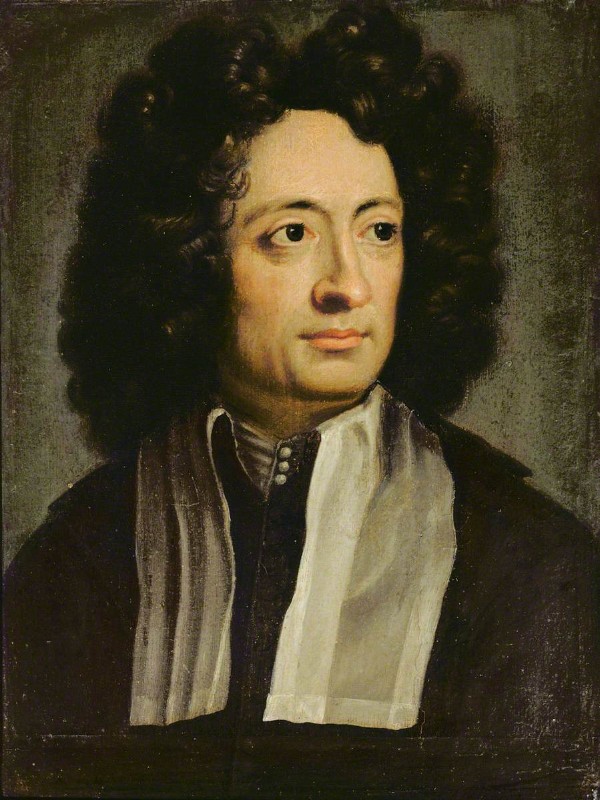
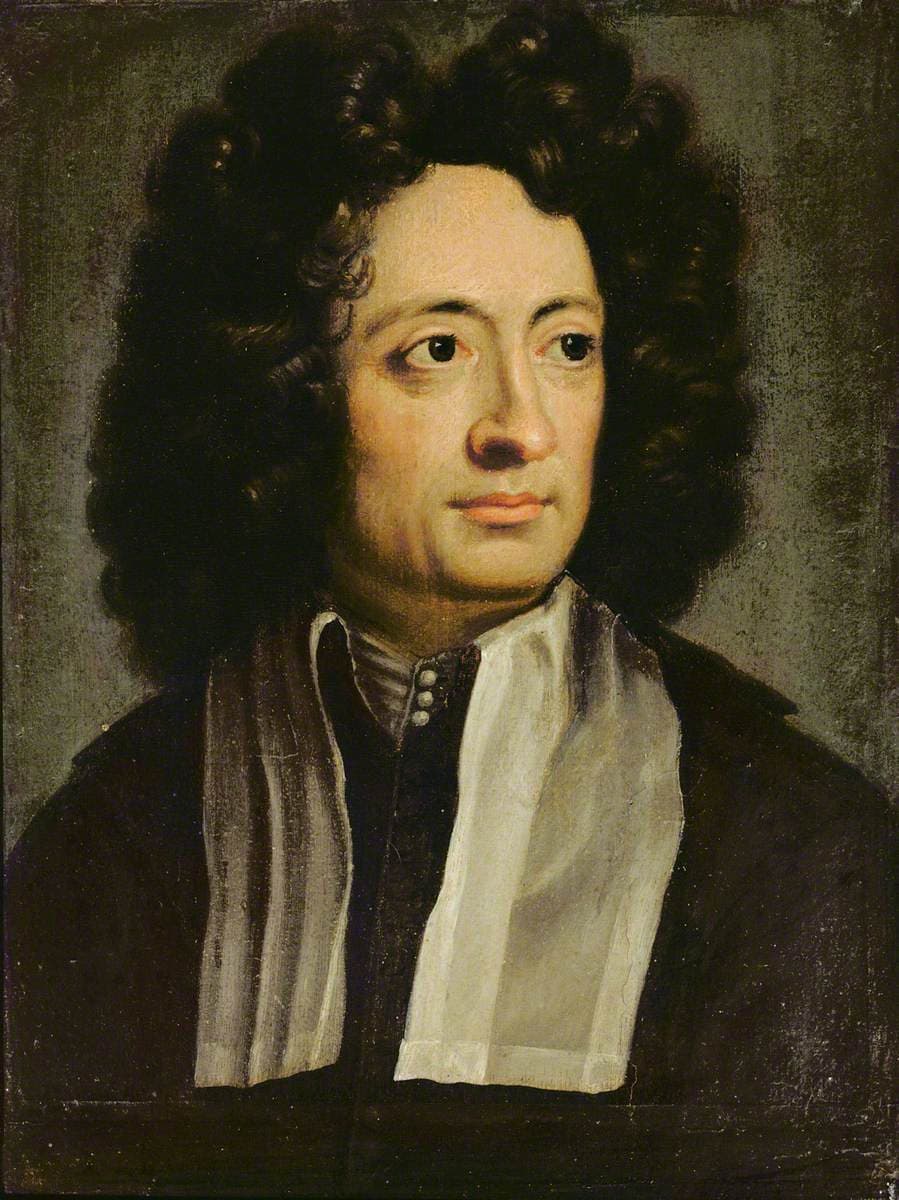
The remarkable boom in music publishing around 1700 forever secured and spread the reputation of Arcangelo Corelli. His op. 1 was issued in 39 known editions between 1681 and 1790, and that does not include collective editions of opp. 1-4
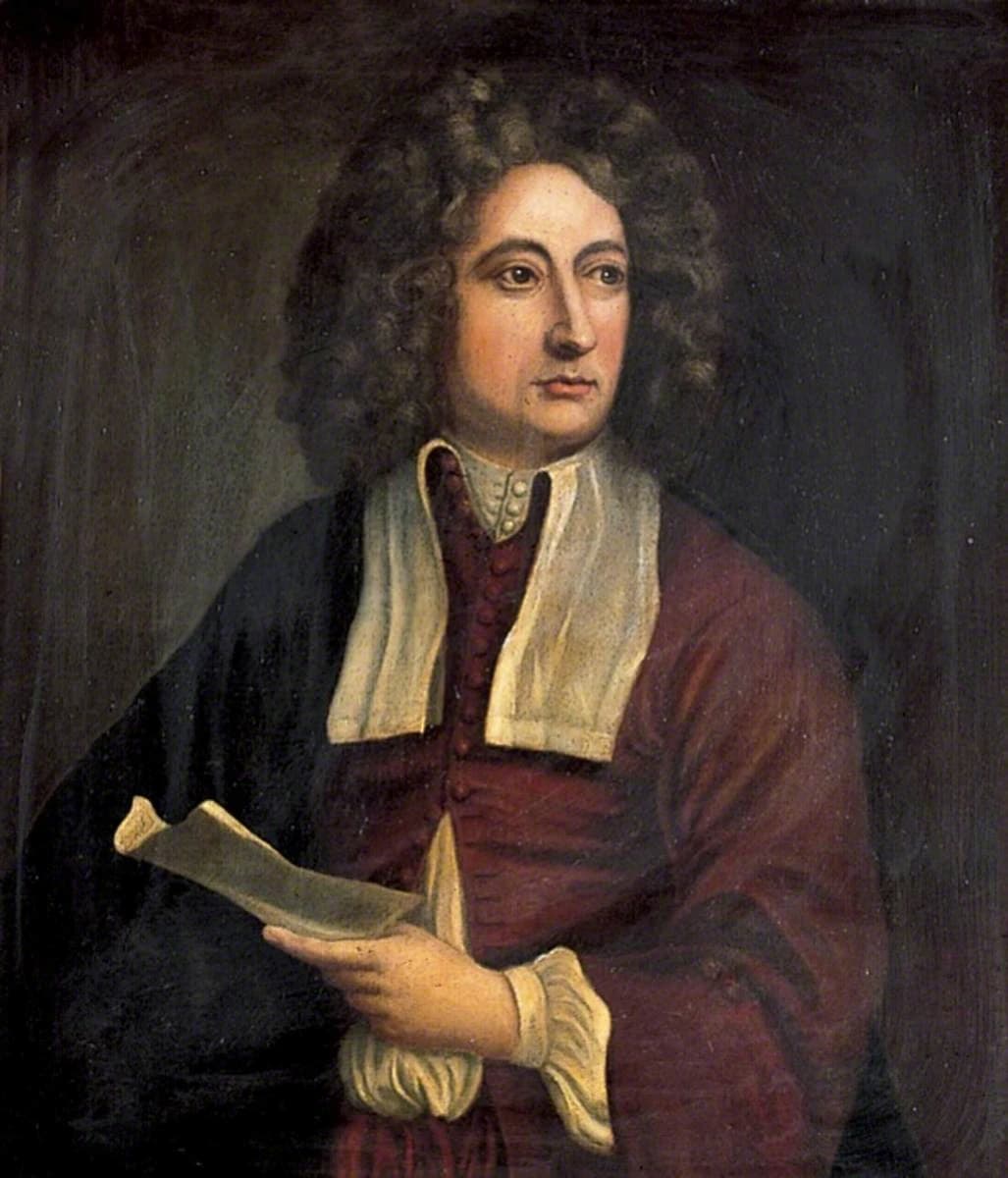
Arcangelo Corelli (1653-1713) and Johann Sebastian Bach (1685-1750) were two of the composers most familiar to me in my youth, with their oratorios, concerti grossi and choral compositions, respectively, heard particularly during the Christmas Season. Today’s article will reflect on
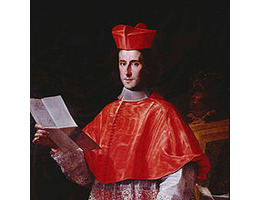
Concerto Grosso in D Major, Op. 6, No. 1 By all accounts, Cardinal Pietro Ottoboni — grandnephew of Pope Alexander VIII —loved “pomp, prodigality and sensual pleasure.” Apparently, portraits of his mistresses disguised as saints, including the angelic Margarita Pio
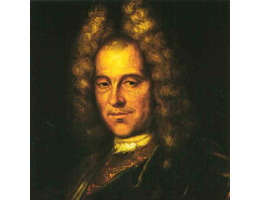
The Italian ensemble sonata — in the mold established by Arcangelo Corelli — took Europe by storm. It was soon imitated and adapted by composers far and wide, and Corelli himself brought the genre to England. John Jenkins, Henry Purcell
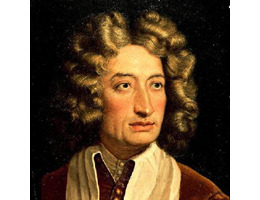
The famed violinmakers of Cremona — Nicolò Amati, Antonio Stradivari and Giuseppe Bartolomeo Guarneri — initiated a golden age of string music in Italy. Various important centers of violin making, performing and composition began to emerge around 1650, with the
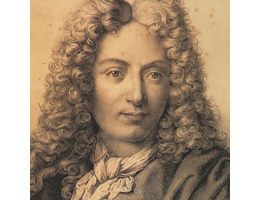
Arcangelo CorelliSonata a 3 in G Minor, Op. 1, No. 10 Trying to reconstruct the love life of a discreetly homosexual composer in the 17th century presents a variety of formidable challenges. For one, the public record was not overly