
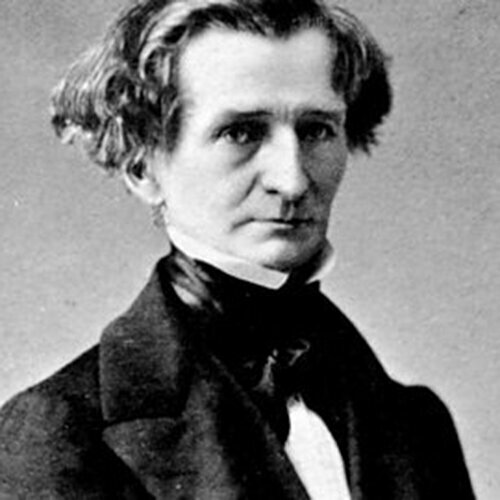
The Hopeless Romantic On 8 March 1869, Hector Berlioz (1803-1869) died in his house in the Rue de Calais in Paris. To commemorate the 150th year of his passing, we pay homage to the writer, conductor, traveler, lover, cynic and
Berlioz
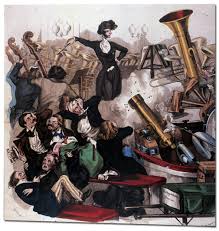
Hector Berlioz published his famous handbook on the art of orchestration, his Traîté d’instrumentation, in January 1844. It remains, even today, a landmark in the history of the symphony orchestra. It is a concise and brilliant historical document that details
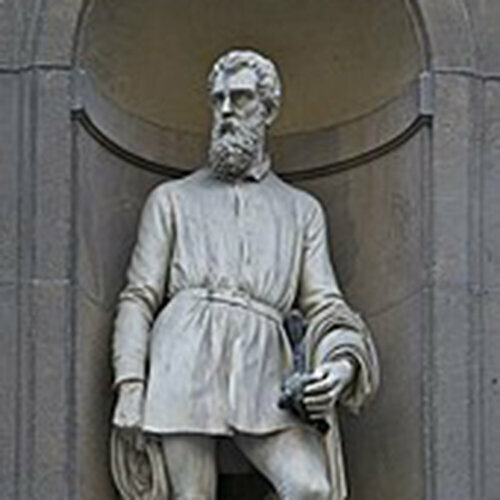
For all his dislike of Italian music, Hector Berlioz (1803-1869) kept returning to Italian subjects. We only need to think of Romeo and Juliette, Harold in Italy, and the opera loosely adapted from the memoirs of the 16th century Florentine
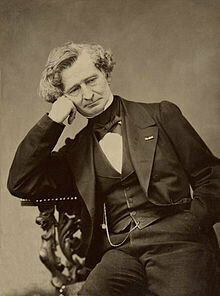
The “Grande Symphonie funèbre et triomphale,” to use its full title, was Hector Berlioz’s fourth and last symphony. Commissioned by the Minister of the Interior for the commemoration of the 10th anniversary of the three-day revolution of July 1830, the
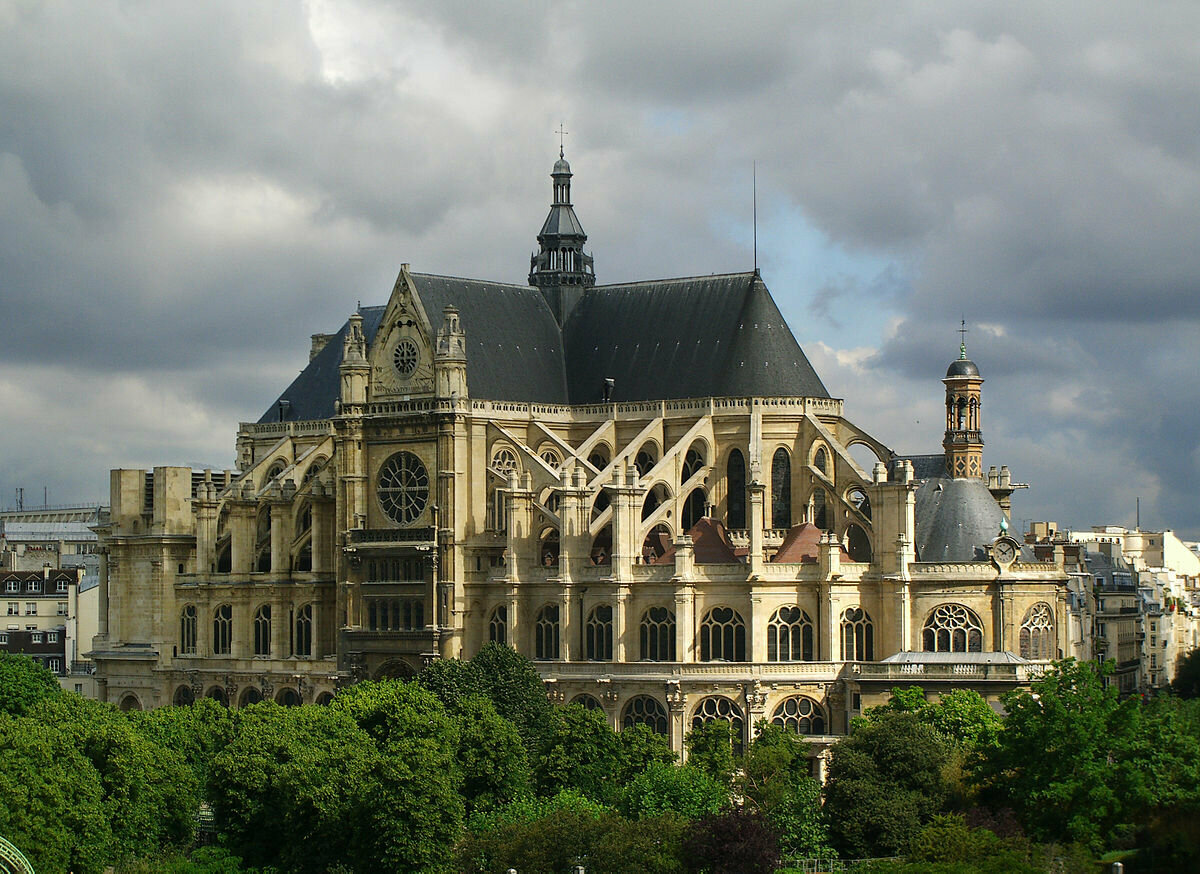
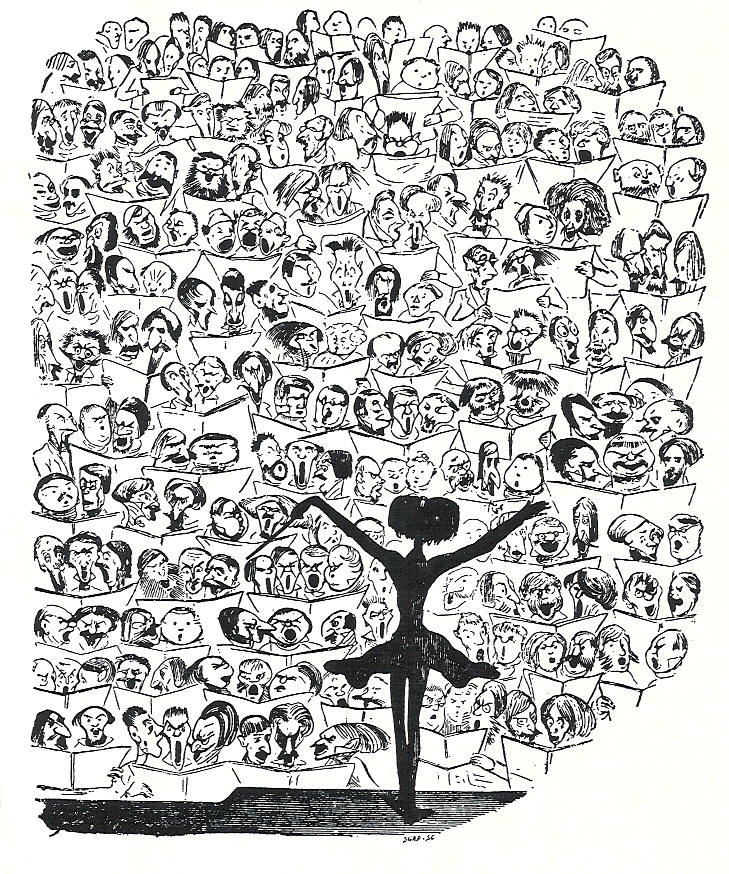
On 30 April 1855, an ensemble of 950 performers piled into the Church of Saint-Eustache, in Paris. They were getting ready to finally premier a Berlioz work that had been specifically composed for the coronation of Louis Napoleon Bonaparte in
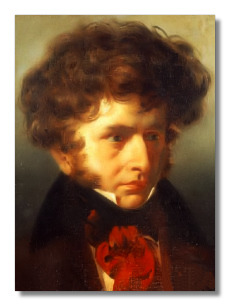
Hector Berlioz ((1803-1869) is known for his monumental orchestral works, for his utter command of orchestration, and for his gothic horror in the Symphonie fantastique. We often forget, however, that he was also known for his songs. In a rare
“Minors of the Majors” invites you to discover compositions by the great classical composers that for one reason or another have not reached the musical mainstream. Please enjoy, and keep listening!
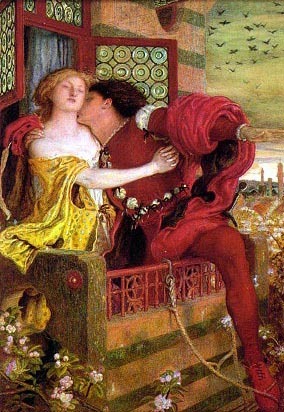
Hector Berlioz’s visit to the Odéon Theater in 1827 not only inflamed a deeply burning passion for his future wife, the Irish actress Harriet Smithson, but also for the dramatic genius of William Shakespeare. Berlioz’s infatuation with Harriet gave rise