
Etelka Freund is a singular figure in classical music history.
As a talented teenager, she befriended and bewitched Brahms. She became Busoni’s best student. Her brother studied with Liszt, then taught her. Then, as a young woman, she befriended up-and-coming composer Béla Bartók and became the first pianist to play some of his works.
She also returned to the concert stage after a quarter-century break. From there, she continued playing at a high level well into her eighties, and her artistry lives on in a number of wonderful recordings.
Today, we’re looking at the life and career of forgotten pianist Etelka Freund.
Etelka Freund’s Childhood
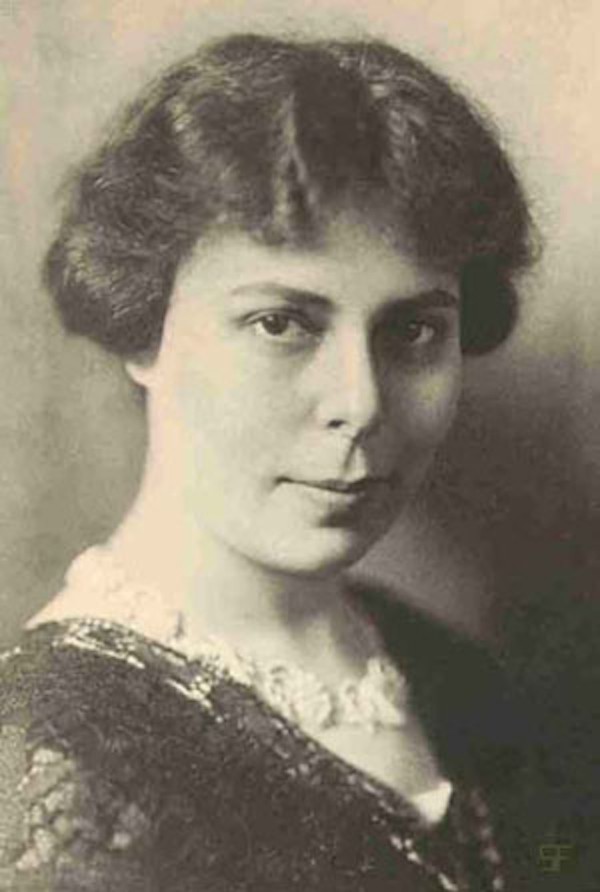
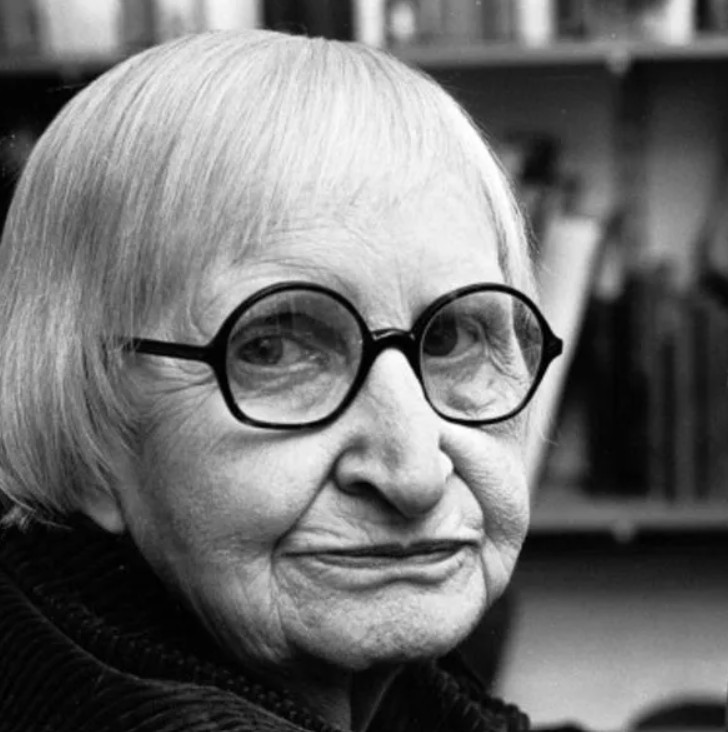
Etelka Freund
Etelka Freund was born in 1879 in Hungary.
She began playing piano at the age of five. Her first teacher was a cellist who played in the Budapest Opera orchestra.
She was a delicate child. When she began her piano studies, her hands had to be held up to the keyboard because they were so weak.
Her Talented Brother
Music ran in the Freund family. She had a brother named Robert Freund, who was twenty-seven years her senior.
Robert was also a pianist. He had studied with Ignaz Moscheles, a friend of Beethoven and one of the greatest pianists of the nineteenth century. (Moscheles had also taught Felix and Fanny Mendelssohn.)
Robert also studied with Karl Tausig (widely considered to be Franz Liszt’s best student) and eventually with Franz Liszt himself.
Thanks to his first-rate training, Robert helped to give his little sister the technical and musical foundation she needed to succeed in her career.
Etelka’s Other Teachers
Robert eventually passed Etelka to Budapest-based piano teacher István Thomán, with whom she studied between the ages of ten and sixteen.
Thomán had studied with Liszt and taught future stars of Hungarian music like Béla Bartók and Ernst von Dohnányi. (Bartók, two years her junior, would become an important friend and colleague.)
In 1895, at the age of sixteen, she moved to Vienna to study with Theodor Leschetizky, a renowned piano professor who taught superstars like Ignacy Jan Paderewski, Ethel Leginska, and Artur Schnabel.
She also worked with Ignaz Brüll and Eusebius Mandyczewski, both good friends of Johannes Brahms’s.
Etelka’s Brahms Connection
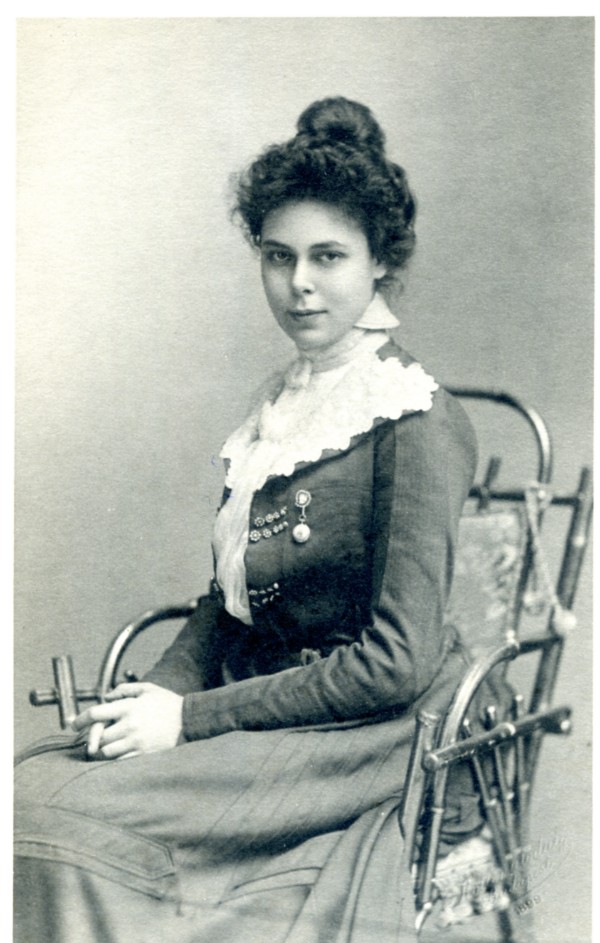
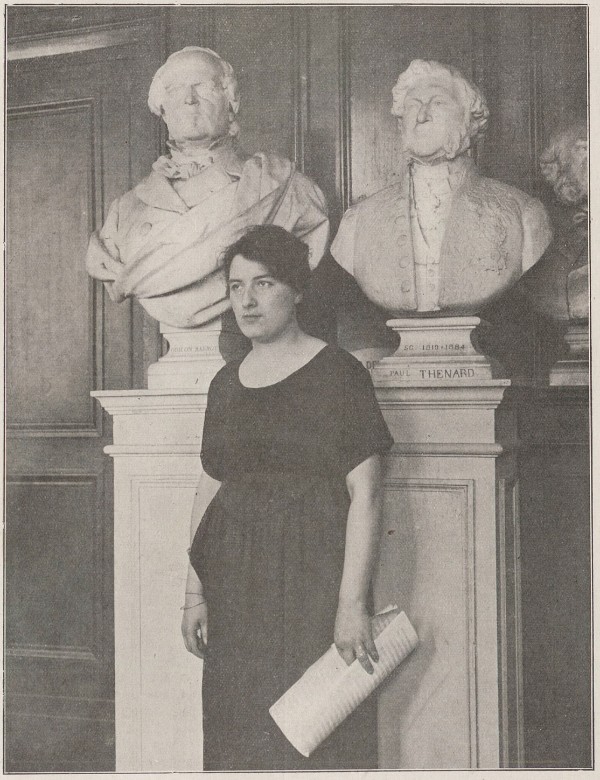
Etelka Freund
When she was in Vienna, she had a standing appointment with Brahms, who had befriended her brother Robert years before. She would visit Brahms every Wednesday for lunch to play for him.
A visitor once asked if she played piano, and Brahms interjected enthusiastically, “To the enjoyment of everyone!” It was high praise coming from the famously curmudgeonly composer.
Even though she was just a student, Brahms campaigned for Freund to join the prestigious Gesellschaft der Musikfreunde (Society of Friends of Music) in Vienna.
His endorsement, combined with her talent, resulted in her election to the group. She became its youngest-ever member.
Etelka Freund’s recording of Brahms’s third piano sonata, 1953
Working with Busoni
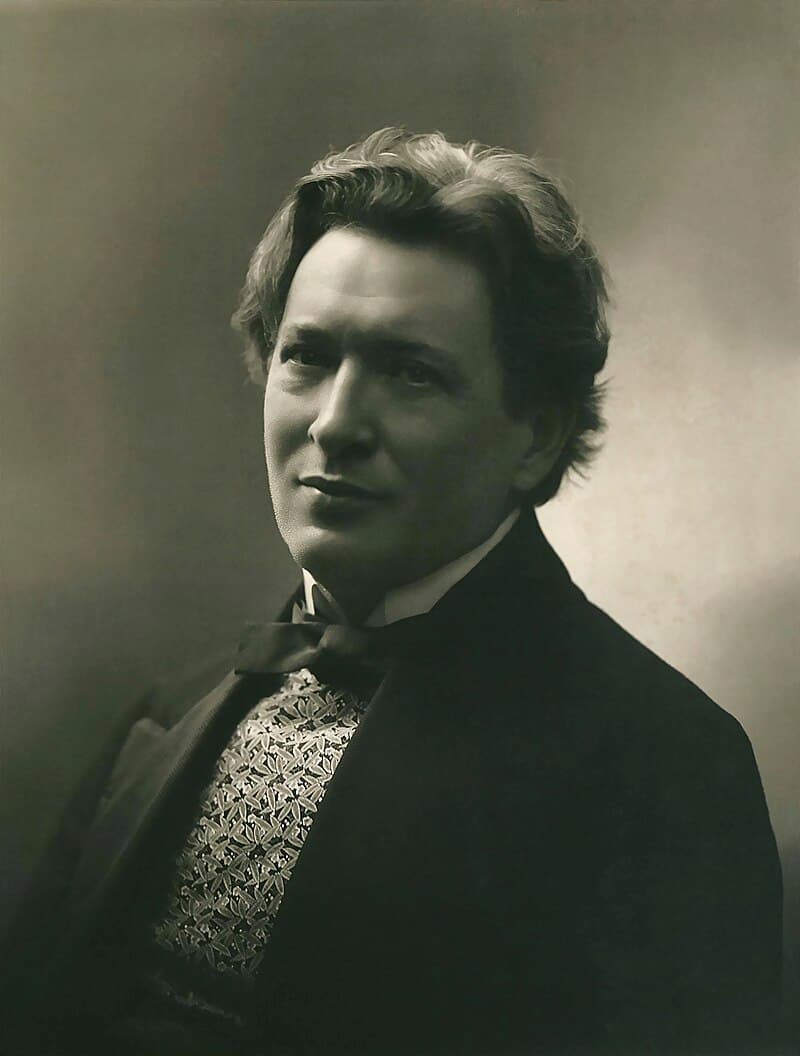
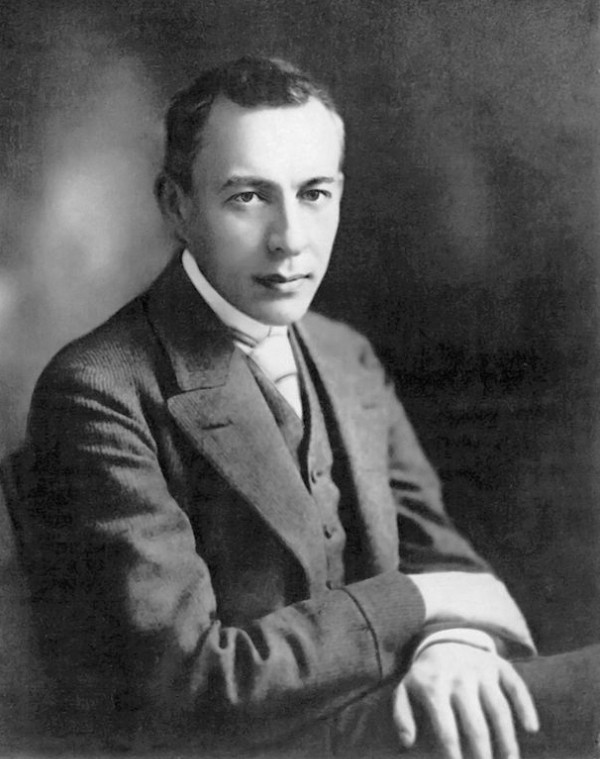
Ferruccio Busoni, 1913 (Photo by Varischi & Artico)
In 1898, at the age of nineteen, she began studying with pianist and composer Ferruccio Busoni in Weimar and Berlin.
He came to consider her his best student. In 1900, Busoni wrote to her brother:
“Her technical and musical mastery of the piano has compelled me, however, once again to admiration: she played the Brahms Paganini Variations as I (to use some sort of standard) could not have at her age.”
The Brahms Paganini Variations, as performed by Evgeny Kissin
Together they prepared for her Berlin Philharmonic debut, which took place in 1901.
She played three major works in one concert: Beethoven’s third piano concerto, Brahms’s first piano concerto, and Liszt’s Rhapsodie Espagnole, as arranged by Busoni. She even played an encore!
That remarkable concert served as the kickoff to a career that took her across Europe.
Busoni/Liszt, Rhapsodie Espagnole, as performed by Gina Bachauer
Etelka’s Friendship With Béla Bartók
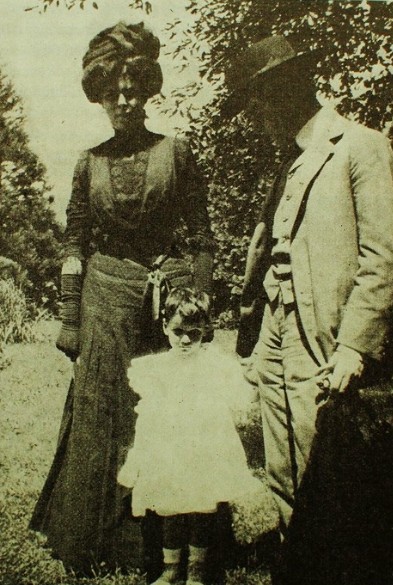
Etelka Freund with Bartók
Around this time, she became close to Béla Bartók.
As soon as Bartók finished his Bagatelles, op. 6, he left the manuscript with Etelka. When he returned the following day, she had all of the pieces memorised.
Interestingly, Etelka also studied composition with Bartók. In 1903, he wrote to his mother, “The piano virtuosa who will learn composition from me now is…Etelka Freund. Well, I was so surprised I could hardly speak when she said to me that she wants to study with me.”
She was also the person who introduced Busoni to Bartók.
Etelka Freund plays Bartók’s Bagatelle for Piano, Op. 6, no. 12
Etelka’s Marriage
In 1910, the year she turned thirty-one, Etelka married. Her new husband was an electrical engineer and an inventor, and he deeply admired her musical ability.
At the time, it was common for women musicians to retire when they married so that they could focus on raising their families.
Retirement was especially attractive to musicians who worked in an era when long-distance travel was done by train or ship.
She and her husband had two sons together.
Her older brother Robert moved in with Etelka and her family. He lived with them until he died in 1936.
Returning to the Pre-War Stage
She didn’t play regularly in public again until 1936, the year her husband retired.
Around the same time, it was becoming increasingly clear that the Nazi regime was posing an existential threat to Europe. The family began discussing emigration.
Resuming her performing career was one way that she could help contribute financially to the family as they attempted to escape Europe.
It had been a full quarter-century since she’d focused on playing piano professionally. But difficult as it was, she began to succeed in clawing back her career.
Unfortunately, World War II put the emigration plans on hold. It also brought intense personal tragedy, as her younger son was killed by the Nazis.
Etelka Freund plays Liszt “Funerailles”
Her New Career in America
After the war ended, in 1946, she and her husband moved to join her surviving son in the United States.
Here she began her career for the third time, making her American debut at the National Gallery in Washington, D.C., in 1947.
Critics raved over her performance, but agents were hesitant to take on a woman pianist in her late sixties who was new to the country.
Still, she persisted. In the 1950s, she gave a series of performances on WNYC. Recordings of some of these performances still survive.
She also made a handful of recordings for the Remington and Plymouth Records labels.
Etelka Freund plays Mendelssohn’s Fantasie in F-Sharp Minor, Op.28
Etelka Freund’s Legacy
She continued playing the piano at a high level well into her eighties. During her later years, she worked as a piano teacher, passing along her extraordinary musical lineage.
She died in Zürich, Switzerland, in May 1977, two years shy of a century after her birth. She was one of the last surviving people who had ever performed for Brahms.
Historians are becoming more and more conscious of the important contributions that women made in the history of classical music. Hopefully, the life and career of Etelka Freund will be examined in more detail by them in the years to come.
In the meantime, music-lovers can celebrate her life and enjoy her priceless recordings of Brahms, Busoni, and Bartók.
For more of the best in classical music, sign up for our E-Newsletter





Excellent. Illuminating and exceptionally well illustrated. Congrats.