
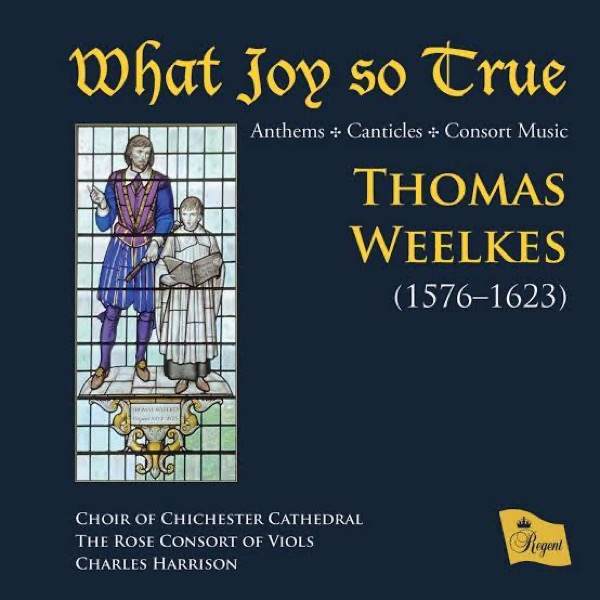
Music, Merriment & Misconduct The English composer and organist Thomas Weelkes (1576–1623) grew up during a period of rapid change in English musical life. The arrival of the Italian madrigal transformed Elizabethan music and gave art music a popularity it
Archives
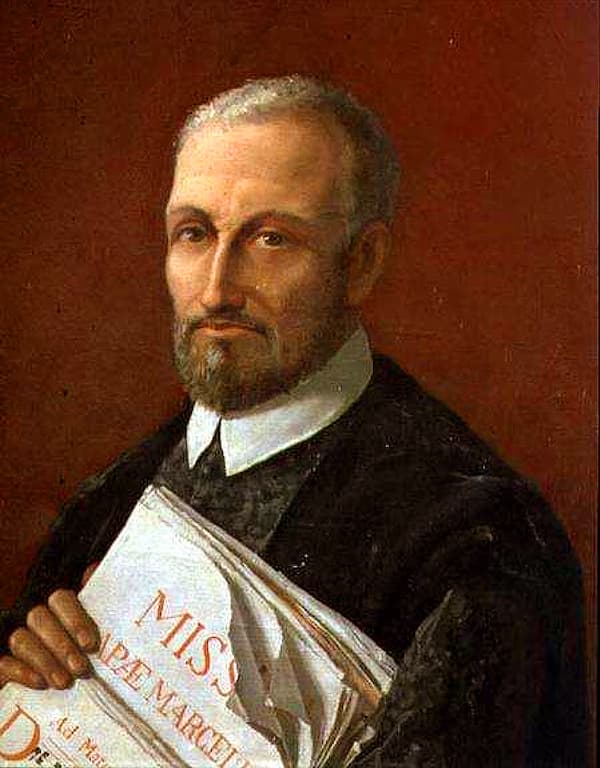
Giovanni Pierluigi da Palestrina’s (1525-1594) fame in music history is unmatched. While most of his predecessors and contemporaries faded from view, Palestrina maintained his prestige at an ever higher level for 200 years after his death. As Lawrence B. Porter
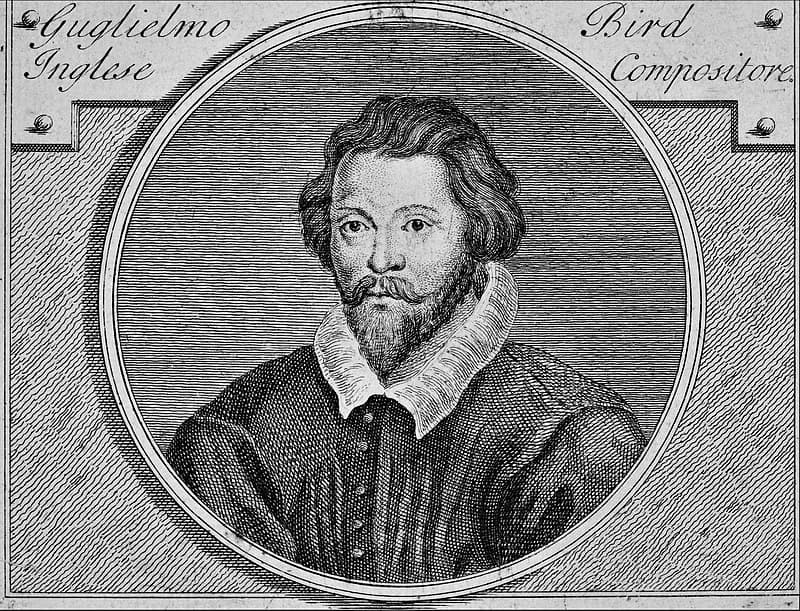
“Father of Musick” 400 years ago, on 4 July 1623, William Byrd (1540-1623) died at Stondon Massey, a small village near Chipping Ongar in Essex. According to his will, he was buried in the parish churchyard, but his grave has
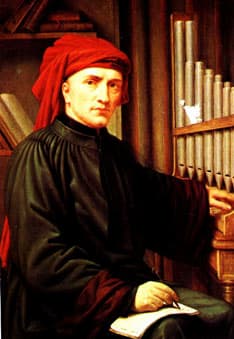
“Master of the Notes” In 2021, we commemorate the death of Josquin des Prez (c. 1450/1455-1521) who passed away 500 years ago in what is now western Belgium. For a good many scholars and historians—despite some current revisionist tendencies—he was the

“Music is text and rhythm, and sound last of all” 400 years ago, the Italian composer, singer, teacher and instrumentalist Giulio Romano Caccini (1551-1618) passed away in Florence. He wasn’t a particularly pleasant individual, and frequently guided by envy and

“The Divine Arcadelt” Jacques Arcadelt (1507-1568) was one of the most famous of the early composers of madrigals. The Venetian printer Antonio Gardano issued his Primo libro in 1538, but no copy of this edition is known to survive. Apparently,

Pierre de Manchicourt: O Virgo virginum In 1554, a remarkable wedding ceremony took place at Winchester Cathedral. The bride was described as “a faded little woman with red hair and no eyebrows.” That little woman was no other than Mary

Flow my tears! According to various theories of personality differences, regardless whether they are based on a biological, psychological or social analysis, each human being belongs to one of four types of basic temperament, or “humours.” The Sanguine bodily temperament,