For centuries, the world of orchestral music was created and inhabited primarily by male composers.
But for centuries, despite onerous societal and cultural barriers to their doing so, women have been writing bold and beautiful symphonic works, too.
In fact, many of these symphonies rival their male counterparts in emotional depth, technical brilliance, and sheer innovation.
Today, we’re looking at eleven of the best.
Marianna Martines: Sinfonia in C-Major (1770)
Marianna Martines was born in Vienna in 1744. She lived in the same building as Joseph Haydn, who taught her keyboard, and Nicola Porpora, who taught her voice. She became one of the most famous musical figures in late eighteenth-century Vienna.
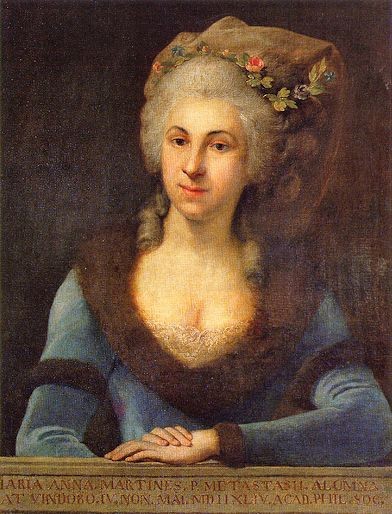
Marianna Martines
Marianna Martines’s Sinfonia might strike modern ears as more like a three-movement overture than a symphony.
However, genre conventions were still in flux at the time of its composition, and many symphonies from this time only have three movements. (Take, for instance, many of Haydn’s early symphonies.)
Therefore, historians generally consider it to be the first (surviving) symphony written by a woman.
Louise Farrenc: Symphony No. 3 (1847)
Louise Farrenc was born in Paris in 1804. She became a celebrated pianist and composer. She married a music publisher who was supportive of her composing.
Five years before this symphony was composed, she was hired as a piano professor at the Paris Conservatoire. After she found out she was being paid less than her male colleagues, she petitioned the conservatory to receive equal pay for equal work.
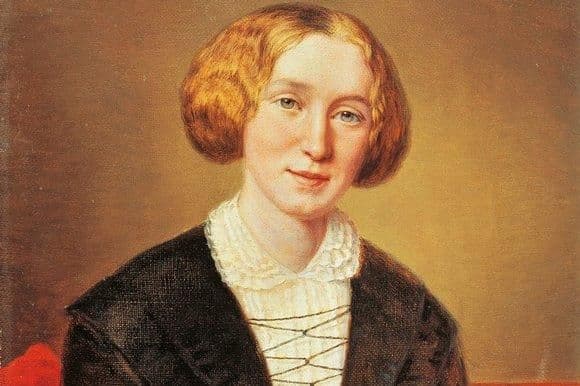
Louise Farrenc
Louise Farrenc’s third symphony is a Romantic era masterpiece, blending structural clarity with fierce emotional intensity.
There are hints of different canonical composers here, especially Beethoven, Schubert, and Mendelssohn (especially in the sparkling third movement). Yet the work is also clearly written in Farrenc’s own distinctive compositional voice.
Emilie Mayer: Symphony No. 1 (c. 1847)
Around the same time that Farrenc was writing her third symphony, German composer Emilie Mayer was writing her first.
Emilie Mayer, born in Germany in 1812, has been nicknamed the “Female Beethoven,” in part because of her prolific symphonic output (she wrote eight symphonies, compared to Beethoven’s nine).
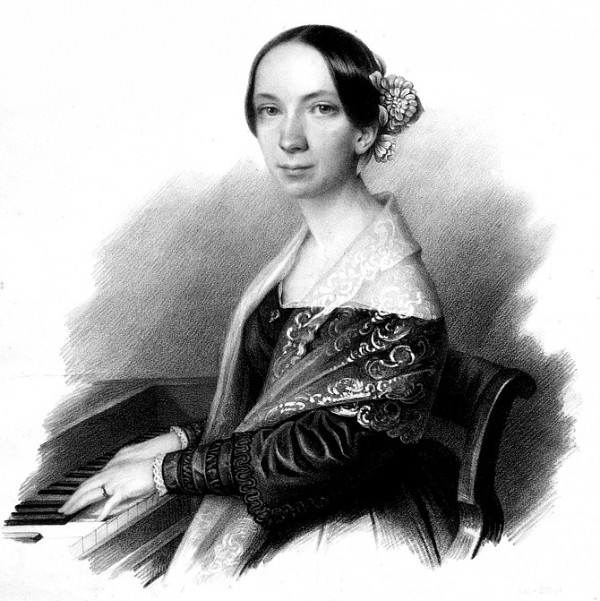
Emilie Mayer
This first symphony is bold and confident, its attitude and style calling to mind the symphonies and overtures of Beethoven.
Mayer was a relatively late bloomer, pursuing a career as a composer only beginning in her late twenties, after the death of her parents.
Even though it was somewhat truncated, she was astonishingly productive over the course of her career, writing eight symphonies, seven violin sonatas, eleven cello sonatas, eight piano trios, seven string quartets, a piano concerto, seven concert overtures, and an opera…and more!
Alice Mary Smith: Symphony No. 1 (1863)
Alice Mary Smith was one of the first women in England to compose large-scale orchestral works.
She was born in London in 1839 and took composition lessons from leading English composition teachers George Alexander Macfarren and William Sterndale Bennett (who Mendelssohn once called “the most promising young musician I know”).
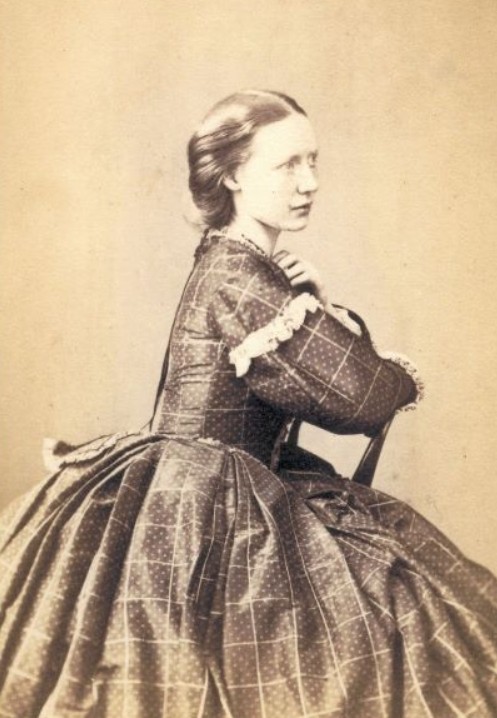
Alice Mary Smith
Her first symphony is dramatic and even at times operatic, featuring multiple soaring string lines and intricate counterpoint, along with a brilliant wit and pastoral cheerfulness. The work seems to be especially influenced by Beethoven and Schumann.
Amy Beach: “Gaelic” Symphony (1896)
Amy Beach’s “Gaelic” Symphony, composed in the mid-1890s, is a landmark work in classical music history. It was the first symphony by an American woman to be performed by a major orchestra (the Boston Symphony premiered it in 1896).
At this time, Beach was influenced by Antonín Dvořák’s “New World Symphony,” which had been premiered in late 1893. While writing that work, he was deeply inspired by the tradition of American folk song.
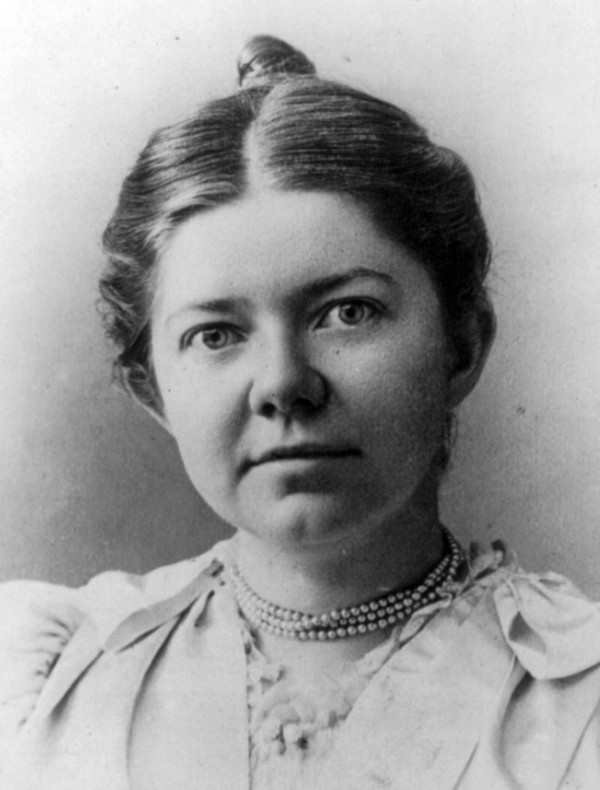
Amy Beach
Beach followed his lead, orchestrating themes that, while they were original and not “authentic” folk songs, employed various characteristics of Celtic folk song, in honour of her own distant Celtic heritage.
Dora Pejačević: Symphony in F-sharp Minor (1917)
Dora Pejačević was born to a noble Croatian family in 1884, although she rebelled her entire life against her elevated social station. She became passionate about socialist causes, and during World War I, she worked as a nurse caring for the wounded.
Like many composers of her generation, she used music as a means to process and escape the daily horror of war.
Her astonishing Symphony in F-sharp Minor dates from the height of the conflict. It combines a lush late-Romantic musical language with strains of modernism, an interplay that reflects the turbulence of the time.
There are hints here of Richard Strauss, Edward Elgar, or Claude Debussy, but, like all of the women on this list, Pejačević had a distinctly original voice.
Florence Price: Symphony No. 1 (1932)
Florence Price was born in Little Rock, Arkansas, in 1887. She began studying piano at four and published her first composition at eleven. She attended the New England Conservatory of Music, studying organ and piano teaching.
Florence Price’s first symphony was premiered in 1933 by the Chicago Symphony Orchestra. This makes it the first symphony by an African-American woman to be performed by a major orchestra.
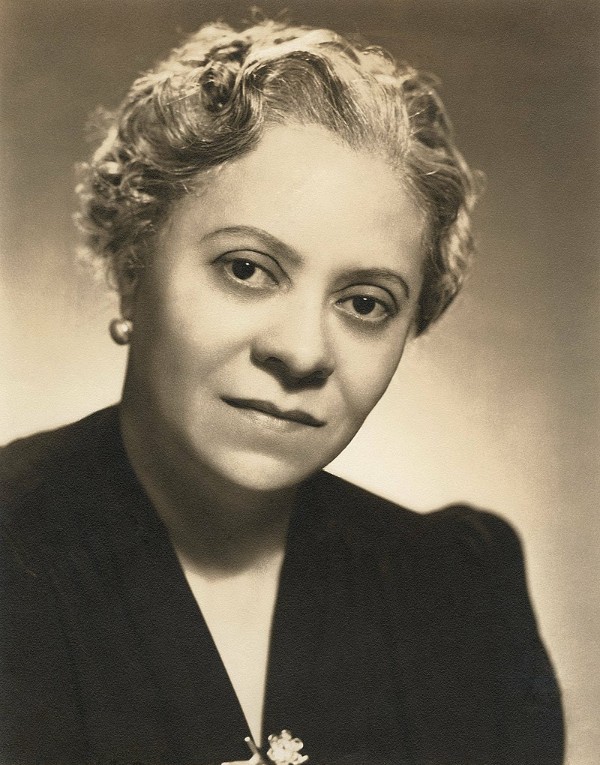
Florence Price
When Dvořák wrote his New World Symphony, he told an interviewer:
“I am convinced that the future music of this country must be founded on what are called Negro melodies. These can be the foundation of a serious and original school of composition, to be developed in the United States.”
Dvořák’s prediction did not come entirely true, given that American racism drove many Black musicians out of performing and composing traditional orchestral music. (In Price’s case, her gender provided an additional obstacle, too.)
But Price’s masterful symphony demonstrates the value of what Dvořák was presumably imagining. Price’s symphony integrates elements of African-American spirituals and folk dances with a historically European form.
Price’s symphony is both a personal statement and a broader celebration of her cultural heritage, during a time when Jim Crow laws were in place across wide swaths of America and Black performers and composers were unwelcome in many concert halls.
Elsa Barraine: Symphony No. 2 (1938)
Elsa Barraine was born in 1910 in Paris, the daughter of the principal cellist of the Paris Opera orchestra. She studied at the Paris Conservatoire and, in 1929, she won the prestigious Prix de Rome.
In the late 1930s, she worked at French National Radio and kept an eye on the deteriorating political situation in Germany. She would become active in the French Resistance after the Nazi invasion in 1940.
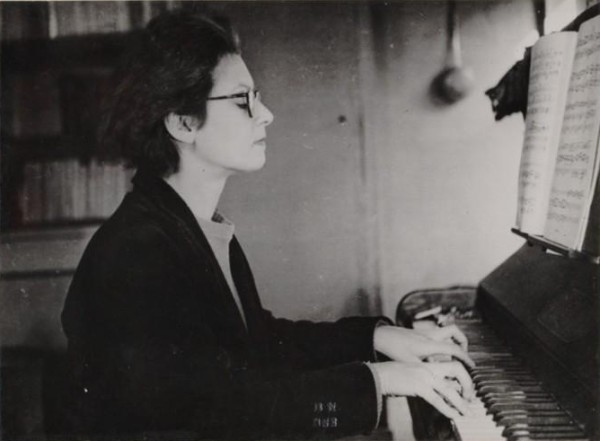
Elsa Barraine
Her second symphony, composed in 1938, is a direct response to the tension of living with the threat of encroaching totalitarianism. It is a work of dread and determination, cycling between mournfulness, violence, and sarcasm in turn. It calls to mind contemporaneous works by Shostakovich.
The Grove Dictionary writes of her work:
Profoundly sensitive to the enormous upheavals of her time, Barraine was unable to dissociate her creative processes from her personal, humanist, political and social preoccupations.
Grażyna Bacewicz: Symphony No. 4 (1953)
Grażyna Bacewicz was born in 1906 in Poland. She was a musical genius, at home as a pianist, violinist, and composer.
Like Elsa Barraine, for most of her life, Bacewicz dealt with the impacts of war and totalitarianism in Europe. She also dealt with the additional complications of the Soviet grip over Poland after World War II ended.
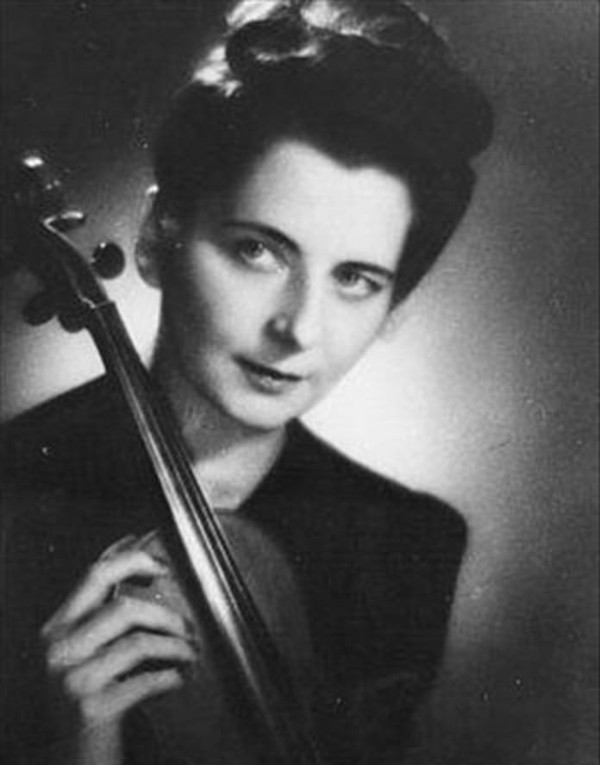
Grażyna Bacewicz
She found herself melding neoclassical clarity with a modernist edge. The result, combined with her employment of galloping rhythms and rich orchestral colours, is darkly magnetic.
Galina Ustvolskaya: Symphony No. 2, “True and Eternal Bliss” (1979)
Galina Ustvolskaya is one of the most original – and uncompromisingly abrasive – composers in classical music history. Her nickname was “the lady with the hammer.”
She was born in present-day St. Petersburg in 1919 and was a student of Dmitri Shostakovich at the Leningrad Conservatory. She said that he once proposed to her, but she did not accept and even accused him of “[killing] my best feelings.”
Like many Soviet composers, during the years of repression, she composed “acceptable” works for public consumption while creating wildly original works privately.
Her second symphony, subtitled True and Eternal Bliss, defies conventional symphonic norms. It is raw, stark, shocking, and unforgettable.
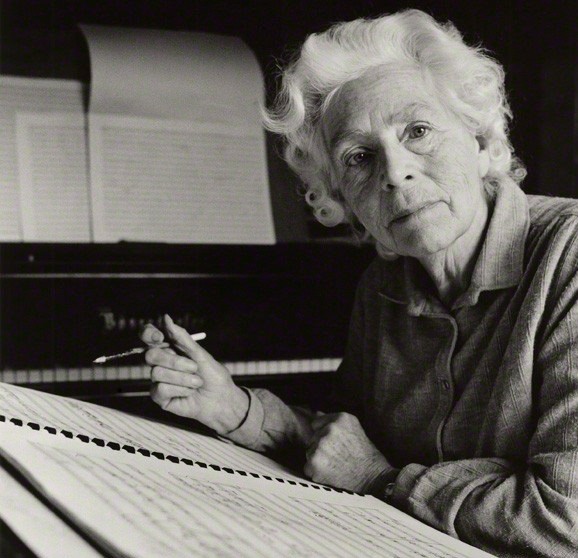
Minna Keal: Symphony No. 1 (1989)
Minna Keal was born in London in 1909. She enrolled at the Royal Academy of Music in 1928 and had some early successes.
However, in 1929, she had to leave the Academy to help her mother run the family business. Later, she married and had a son; became involved with left-wing politics; worked in an aircraft factory during World War II; got a divorce; and remarried. She gave up composing entirely.
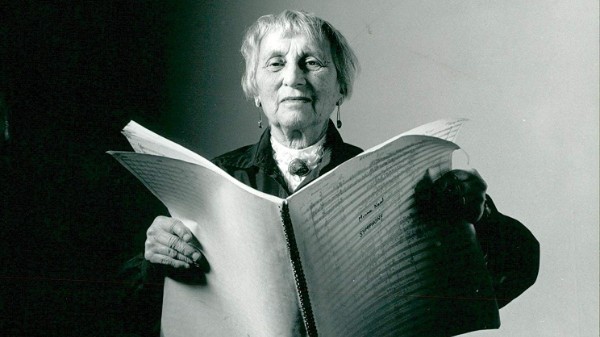
Minna Keal
In 1975, British composer Justin Connolly discovered some of her works in an archive and contacted her, suggesting that she try composing again. Encouraged by his support, she took his advice and began taking lessons as an elderly woman with Connolly and Oliver Knussen.
Her first symphony was completed when the composer was in her 80s. The work is imbued with a lifetime of experiences, combining lyrical beauty with dramatic intensity.
For more of the best in classical music, sign up for our E-Newsletter