
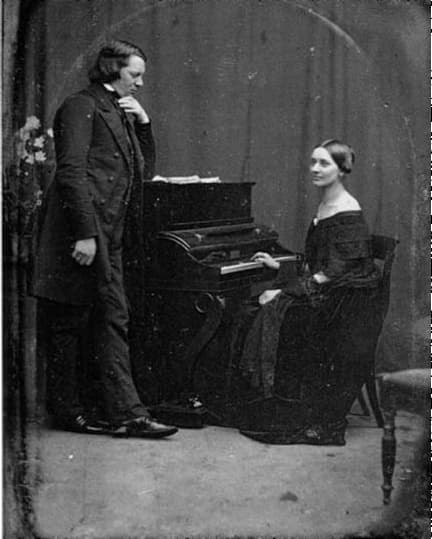
The love story between Robert and Clara Schumann is often regarded as one of the most romantic in classical music history. Happily for historians, many of their love letters survive. They document their inner thoughts and emotions, as well as
Latest article
Spotlight
-
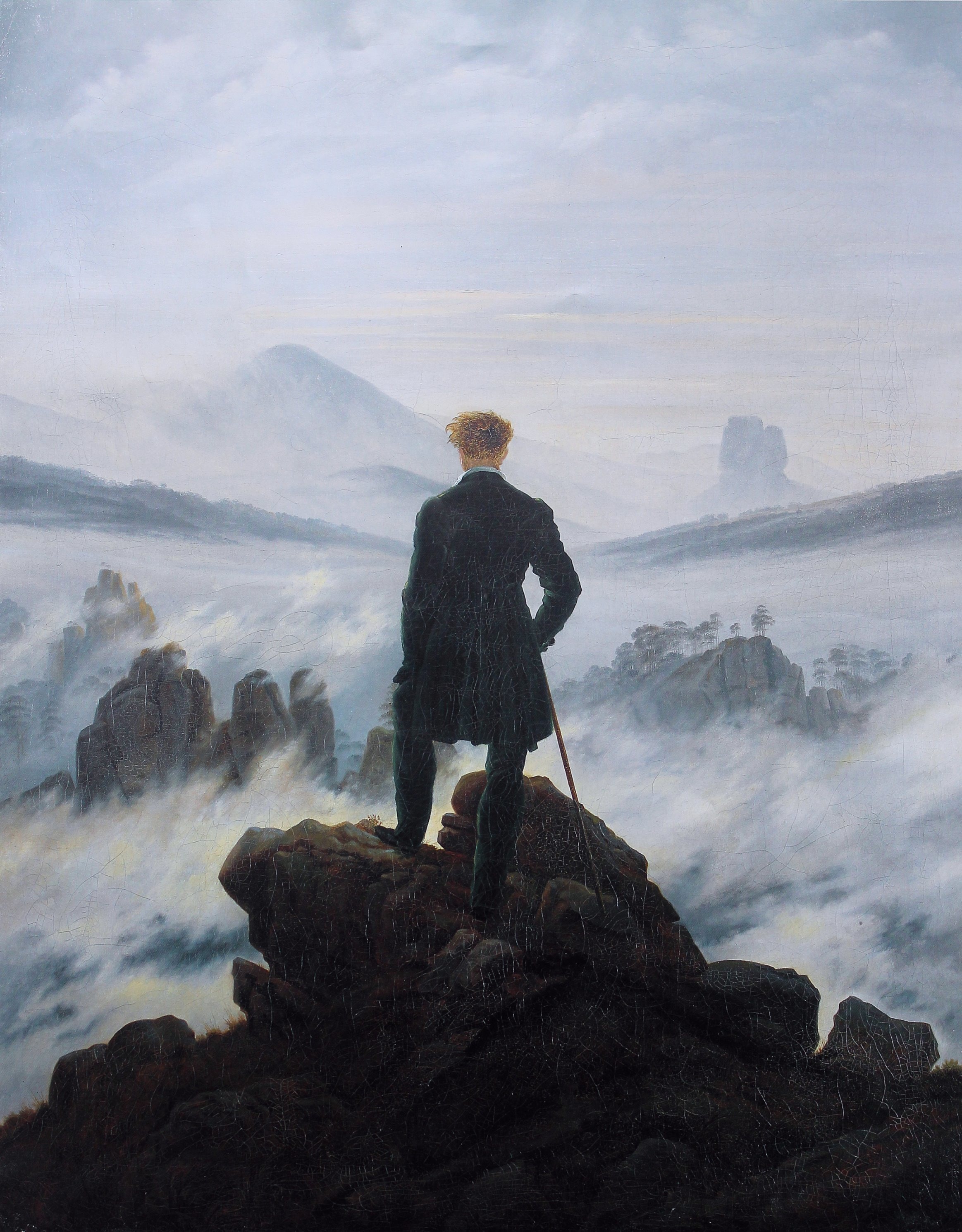
 The Dark Hours: Music for Introspection June 22nd, 2015 Sometimes we don’t want the brightly lilting tunes of a flute or the ecstatic runs of a violin or piano – our mood wants something slower, something sadder, something for the dark hours. Music not for melancholy but for introspection.
 -
 Aeolian Harp: Music played without human hands June 21st, 2015 The ancients described the sound of the Aeolian harp as “music played without human hands.” As such, Romantic poets considered the instrument a source of natural and divine inspiration. Samuel Taylor Coleridge writes in his The Eolian Harp, of 1795:
 -
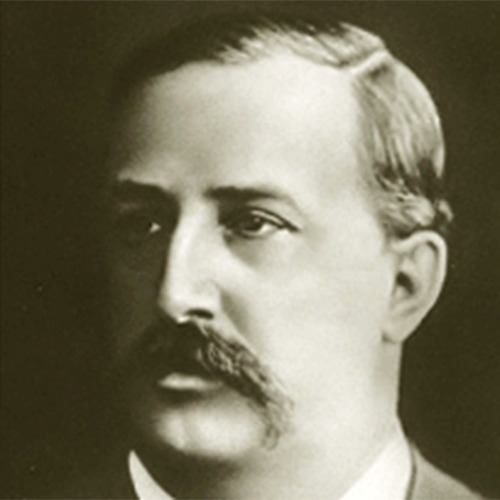 Chemical Alexander June 21st, 2015 An ancient Russian proverb states, “You cannot hunt two hares at the same time.” Sounds pretty self-explanatory to me, but Alexander Porfiryevich Borodin (1833-1887) disagreed! In musical circles, Borodin (1833-1887) is primarily known for his symphonies, the opera Prince Igor,
 -
 Sergei Rachmaninoff: The Power of a Good Tune June 20th, 2015 Sergei Rachmaninoff certainly knew a good tune when he heard it. But recognizing a good tune was simply not enough for him. He frequently took it apart and closely analyzed its contents before reassembling them in new forms and guises.
 -
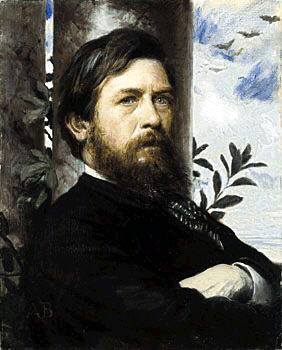 Music and Art: Arnold Böcklin June 20th, 2015 The Swiss symbolist painter, Arnold Böcklin (1827-1901) took the world of mythology as his source of inspiration. His most famous painting, Die Toteninsel (The Isle of the Dead), painted in multiple versions between 1880 and 1886, was the inspiration for
 -
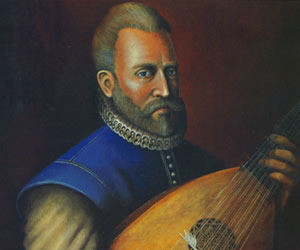 Flow My Tears: Weeping With Dowland June 19th, 2015 John Dowland (1563 –1626) brought the art of weeping to an exquisite height in the early 17th century. This English Renaissance composer, lutenist, and singer became famed for his melancholy songs that have an inherent darkness that stands in contrast
 -
 Sherlock and Music and Mysteries June 18th, 2015 We looked earlier at Sherlock and Opera and now, when we see what other music he ventured into, we find a connoisseur of the musical arts of his time at its highest point.
 -
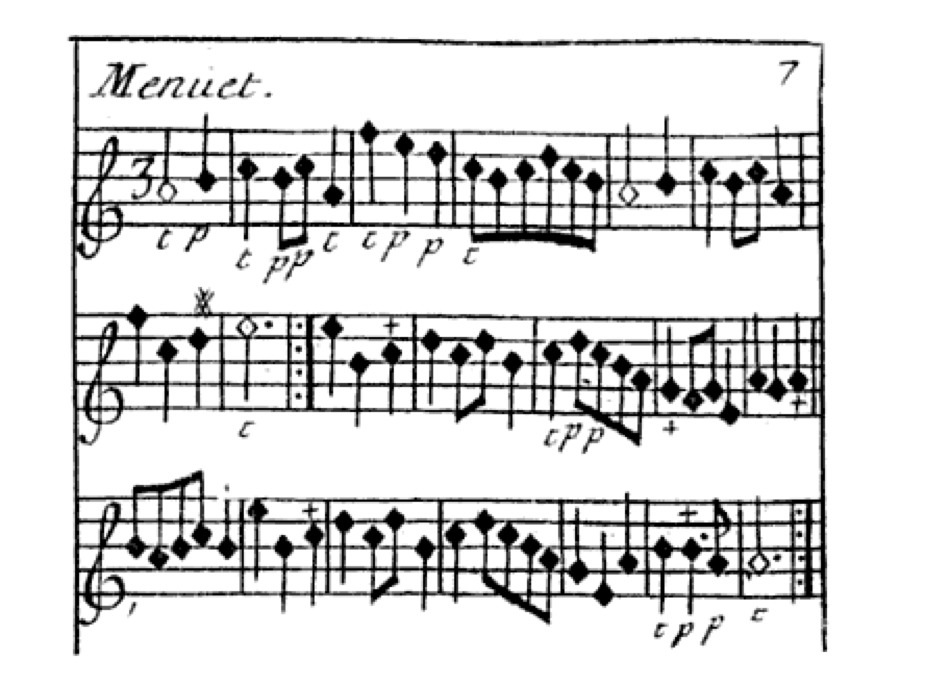 What is a Concertmaster? June 17th, 2015 Sometimes the actions of an orchestra seem quite mysterious. You’d expect that the orchestra would come on stage, take their seats, the conductor would arrive, and off they’d play. Instead, the orchestra seats itself, and then the first chair of