
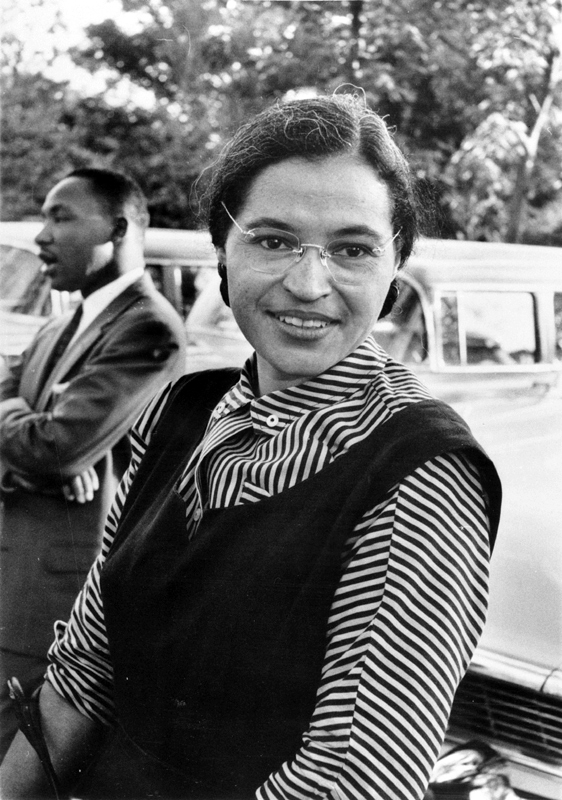
A lonely and brave act of civil disobedience can have momentous consequences. In 1955, the seamstress Rosa Parks refused to give up her seat in a Montgomery, Alabama, city bus to a white man. Parks remembered, “Two policemen came on
In tune
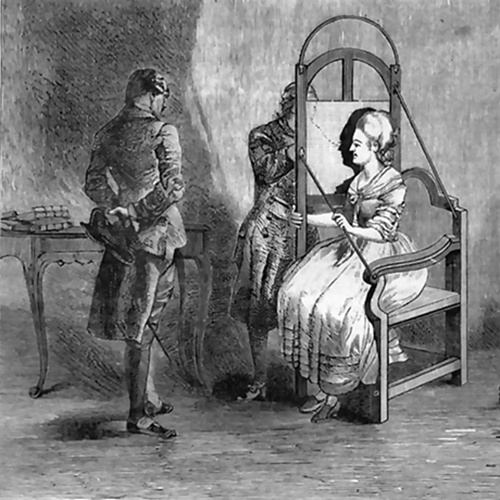
In his ground-breaking book on physiognomy, the Swiss writer Johan Kaspar Lavater (1741-1801) sought to find the face of God in the men around him. Taking literally the notion that God created man in his own image, Lavater, sought to
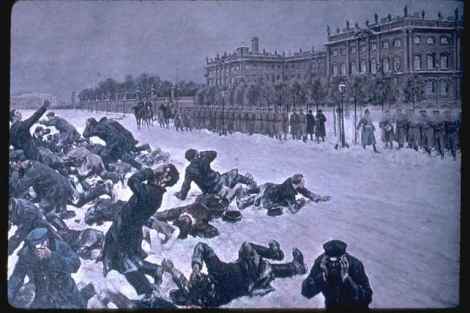
Revolutions have always been part of human history, and they certainly have been central to the formation of the modern world. We frequently use the word “Revolution” in generic ways to describe various phenomena like the “industrial revolution” or the

The American composer and critic Virgil Thomson (1896-1989) believed in the ‘discipline of spontaneity.’ His music aimed at a clarity and simplicity that was unusual in 20th century composers. One of the outcomes of this search for spontaneity was his
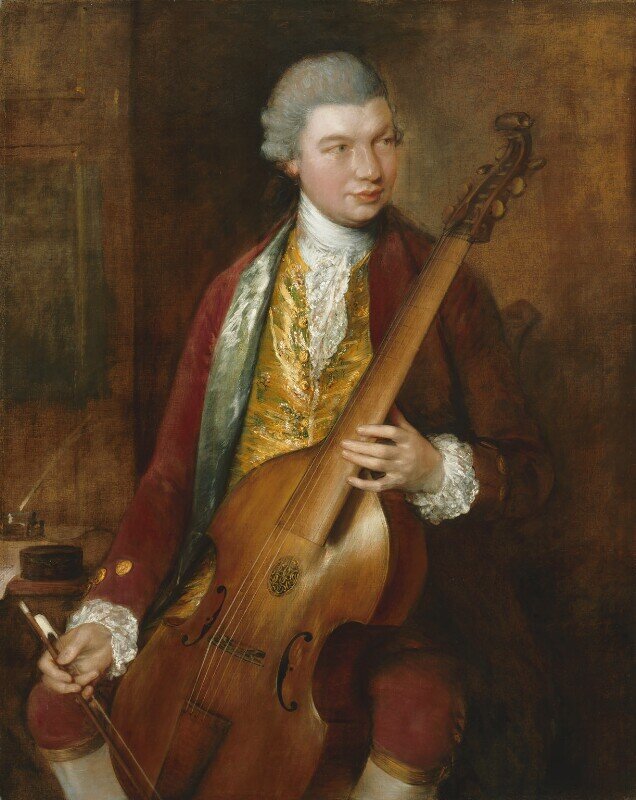
Johann Christian Bach (1735-1782) was the youngest of J.S. Bach’s eleven sons and made his career in London, where he was called the “English Bach.” Born when his father was 50 years old, he lived with his older half-brother C.P.E.
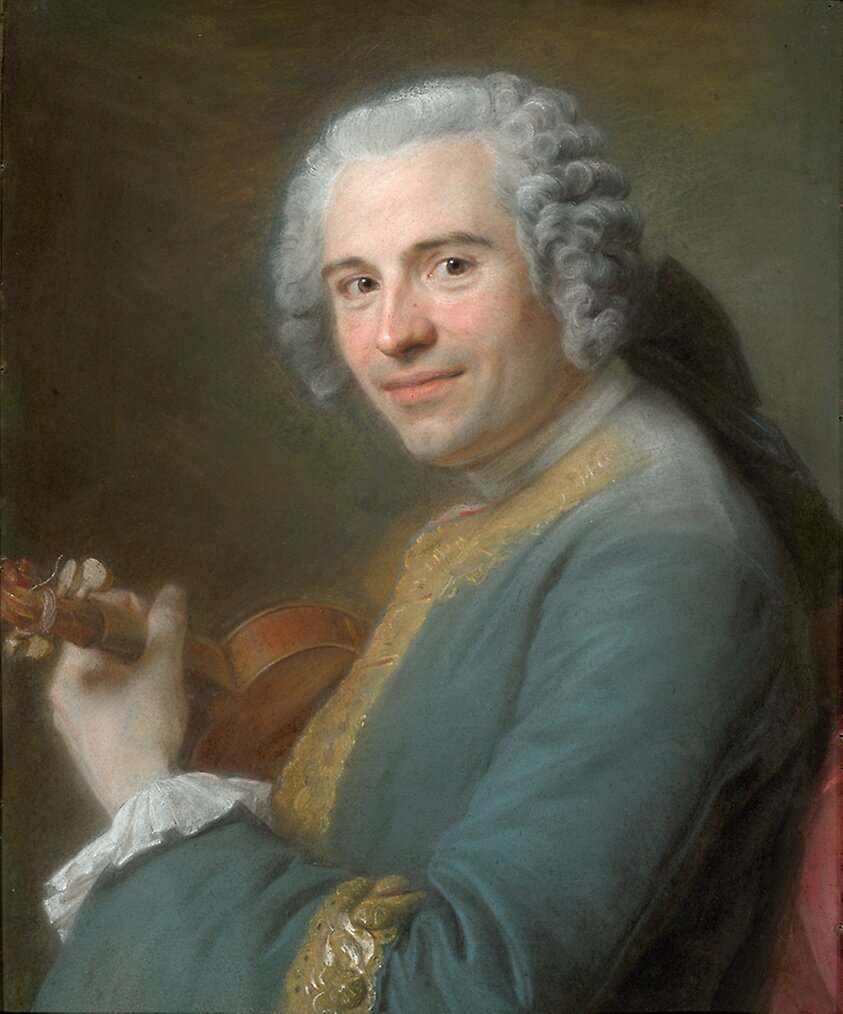
The French pastillist Maurice Quentin de La Tour (1704-1788) is known for his portraits of the most famous men and women of his time, including Voltaire, Rousseau, Louis XV and Madame de Pompadour. He also captured some of the most
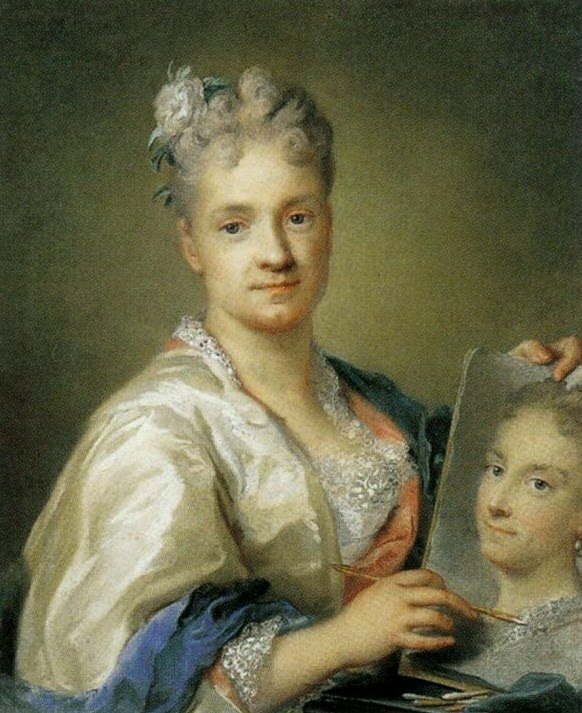
The painter Rosalba Carriera (ca. 1673-1757) was born in Venice and made her name in portrait miniatures. Her work in pastels made her popular and she chose to show this in her own self-portrait where her self-portait was in pastels
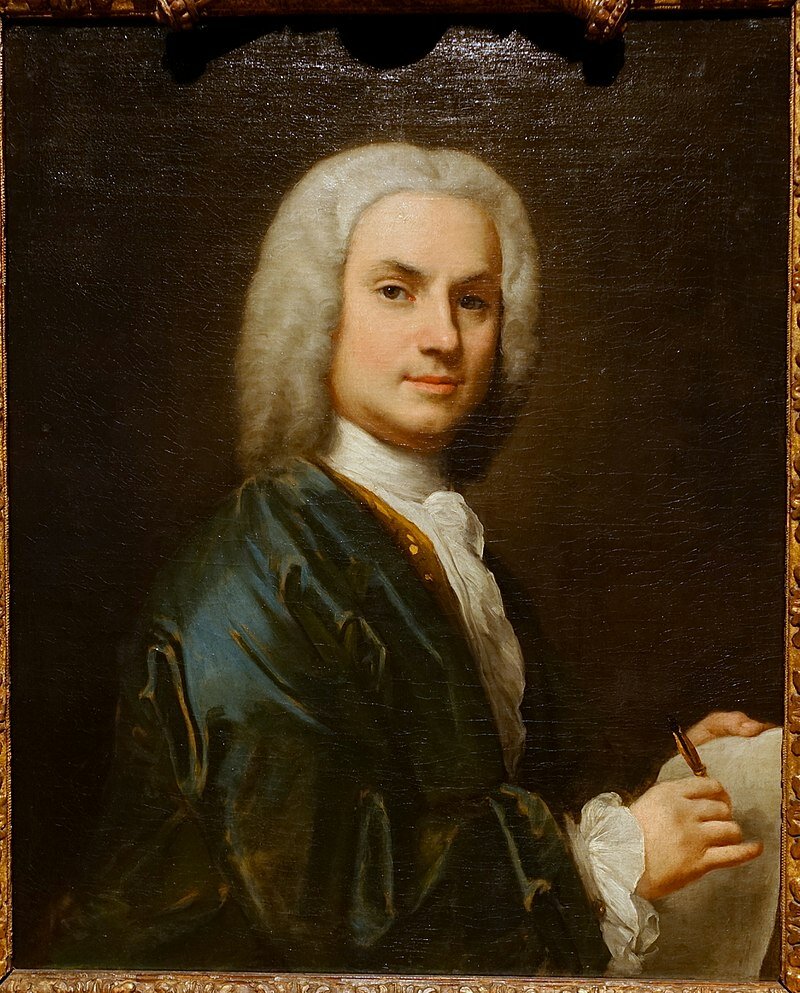
The Italian soprano castrato singer Carlo Borschi, better known simply as Farinelli, studied in Naples under the most famous teacher of singing of the day, Nicola Porpora. Porpora, a successful opera composer, had his student debut in his work Angelica