
In all, the remarkable collection of Schubert’s Lieder transcriptions by Franz Liszt totaled 58 songs. Liszt first handed twelve of these piano transcriptions to a Viennese publisher in 1838 and his concluding efforts emerged 10 years later in 1848.
In essence

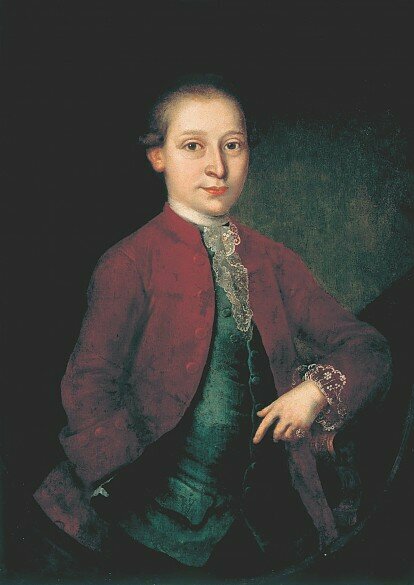
From the city of Milan, Wolfgang Amadeus wrote to his sister on 26 January 1770, “I rejoice in my heart that you were so well amused at the sledging party you write to me about, and I wish you a

In 1970, American composer George Crumb completed his work for electric string quartet: Black Angels: Thirteen Images from the Dark Land.
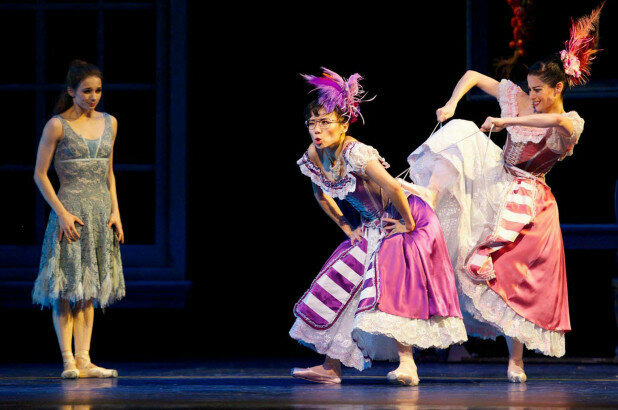
They are so familiar, the characters in the fairy tales and we know of their attributes: the loneliness of Cinderella before her triumphal return, the bravery of Little Red Riding Hood, the cleverness of Hansel and Gretel, and so many
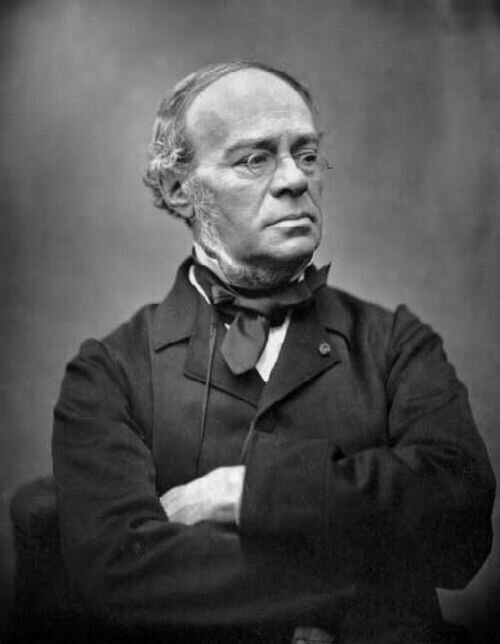
Fromental Halévy (1799-1862) composed roughly forty works for the Parisian state. And while La Juive of 1835 turned out to be his most successful work, Charles VI might be the most dangerous opera in the repertoire. Composed in 1843, it
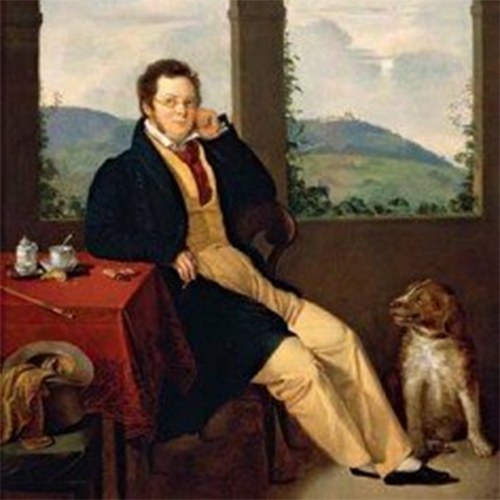
Greatness will invariably recognize greatness! And Franz Liszt’s efforts and commitment on behalf of forgotten masterpieces set a powerful trend in the 19th century. As such it is hardly surprising that Franz Schubert occupied a central place in Liszt’s transcriptions
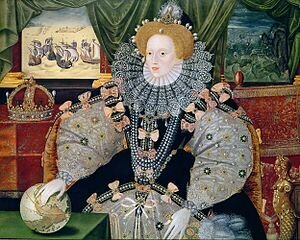
She was the daughter of Henry VIII and his second wife, Anne Boleyn, and everybody knew her as the “Virgin Queen.” Elizabeth I (1533-1603) had various suitors, but in the end she was never swept away by her emotions that
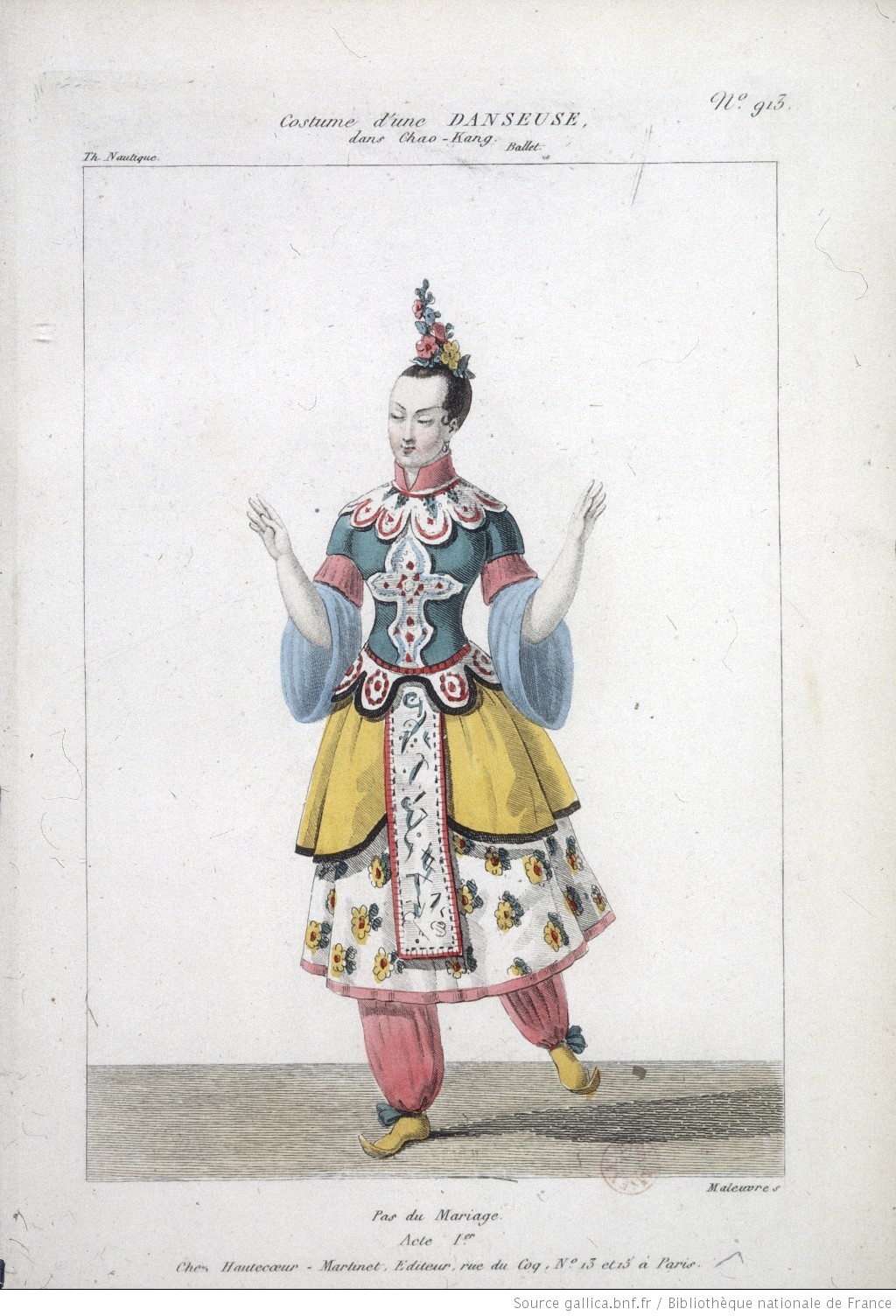
Louis Henry (1784-1836) was an exceptional French dancer, choreographer and ballet master. Born in Versailles, he started his career at the Paris Opera in 1803 but quickly got into heated competition with Louis Duport and Auguste Vestris. Vicious infighting forced