
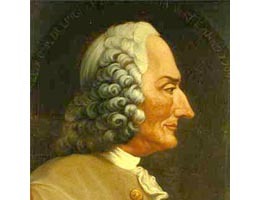
Voltaire rightfully called Jean-Philippe Rameau (1683-1764) “le premier musicien de France.” Simultaneously looking backward and forward over French musical history, Rameau’s compositions uniquely capture the spirit of the Enlightenment. In all, Rameau published four books of keyboard music. The collections
In essence
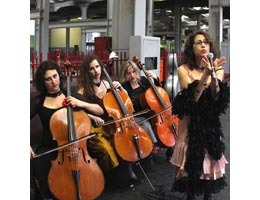
Trains provide a nice rhythmic basis for music – the old chuga-chuga sound of a steam train might be replaced now with the smooth humming of electrics, but we can find music where the train meets the tracks.
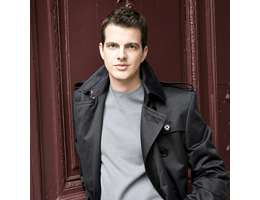
At the end of Part 1 of this article, the countertenor voice was in a sorry state. Gone were the days of the star castrati, Farinelli and Senesino; the changing philosophical landscape of the Enlightenment had allowed the female voice
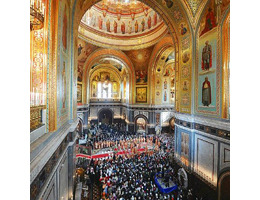
Franz Liszt famously proclaimed that instrumental music attempting to communicate or carry meanings, messages or concepts that originate from outside music itself, do need to carry a narrative or descriptive program in order to be understood. This program, essentially a
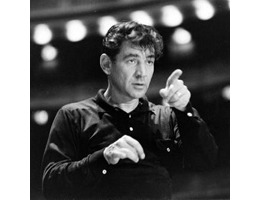
The Devil is incarnate in music! Or so the medieval musicians believed as they worked to develop the basics of sound. Some pitches, when sounded together, just seemed to make an organ howl, hence they were known as wolf tones.
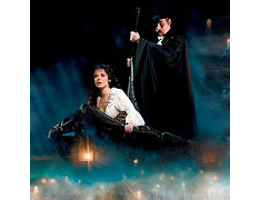
The statures of musicals and operas seem worlds apart – opera’s for the snobs, musicals are for the masses, right? This is, thankfully, becoming more and more of a hackneyed stereotype, untrue of the current situation. Opera companies are trying
From the very beginnings of human memory, witches, ghouls, ghosts and goblins have played a highly significant role in the formation and continuance of stories that have attempted an explanation of natural phenomena and inexplicable cultural conventions.
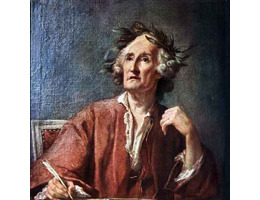
Jean-Philippe Rameau: Hippolyte et Aricie, “Ou suis-je?” Jean-Philippe Rameau was extremely tall and thin, “more like a ghost than a man.” He had a sharp chin, no stomach, flutes for legs and his eagle profile was aesthetically so attractive that