
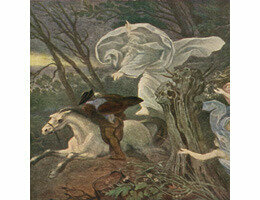
In the Romantic era, as we’ve seen with in earlier articles (VI. Possessed by the Demon & VII. The Wolf’s Glen), there was a fascination with other worldly things – demons and sprites, ghosts and devils. Since this was part
In essence
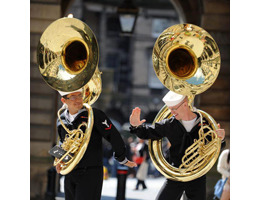
Ah, there’s nothing like a march. It’s perfect for parades, for getting small children in order, or even for vacuuming the house – there’s a strong beat, hummable tunes, and they’re designed to get your attention and get you moving.
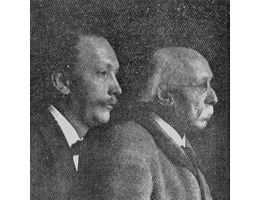
Famous musical sons frequently have famous musical fathers. And Richard Strauss is no exception. In his day, his father Franz was recognized as an important artistic personality. Foremost, he became a celebrated horn virtuoso, by “breathing soul into the unthankful
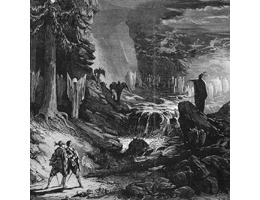
What could be more ideal for showing the supernatural world than opera? The most famous supernatural scene in opera occurs in Weber’s Der Freischütz. The opera, known in English as ‘The Marksman,’ is about a poor woodsman, Max, who, in
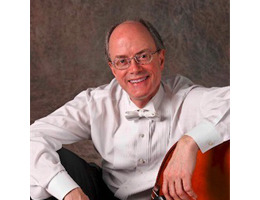
Yannatos: Variations In our earlier talk with bassist Ed Barker, we focused solely on his return to China with the Boston Symphony Orchestra, 35 years after his first visit to China with the orchestra In 1979. Our conversation continued, discussing
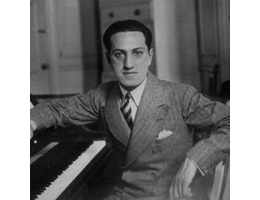
In 1937 George Gershwin was at the top of his game. His Rhapsody in Blue (1924), An American in Paris (1928) and his opera Porgy and Bess (1935) had established him as one of the most prolific and talented composers
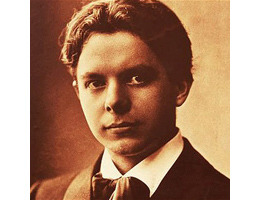
In all of classical music, there’s nothing quite as wonderful as a string quartet. Four voices but which produce a world of sound. In a letter to the composer C.F. Zelter in late 1829, Goethe described a string quartet as
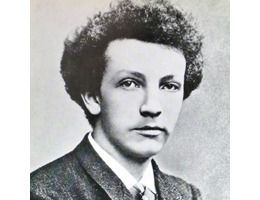
During the summer of 1883, the nineteen-year-old Richard Strauss (1864-1949) spent a short ten-day holiday at the little spa of Heilbrunn. Located between Bad Tölz and the Kochelsee in Bavaria, the natural thermal springs and forested rolling hills had long