
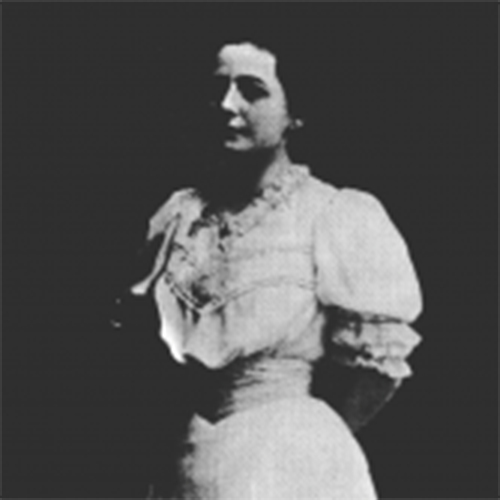
Natalya Sekerina emphatically rejected Alexander Scriabin’s proposal of marriage, and the composer was devastated. In a long letter, after many years had passed, Natalya writes, “That beloved man could never have had happiness, if I had been afraid to say
In essence
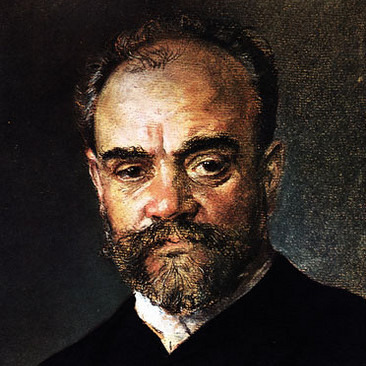
Professionally, the years 1876 and 1877 accorded Antonín Dvorák (1841-1904) the first glimpses of international recognition. Privately, however, these years were overshadowed by great personal tragedy. Just two days after her birth, Dvorák’s little daughter Josefa unexpectedly died. In response,
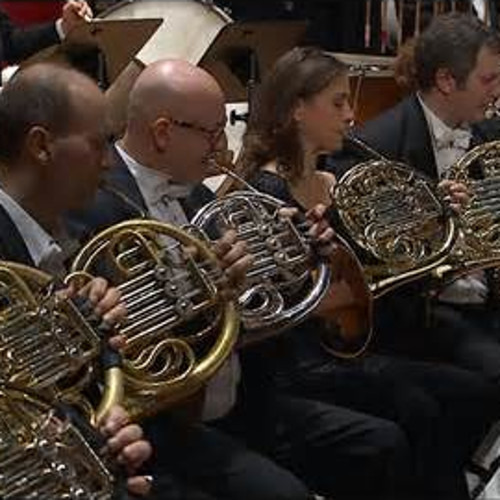
Sigismund von Schrattenbach was Prince-Archbishop of Salzburg from 1753 to 1771. He appointed Leopold and Wolfgang Amadeus Mozart as members of the episcopal court orchestra, but only after Wolfgang had passed a rigorous test! Schrattenbach had always been suspicious that

Irony and Parody became key moments in German modernism. But parody and irony are not identical. While irony might be described as a strategy, most successful parodies derive their effect from the comic incongruity between the original and its parody.
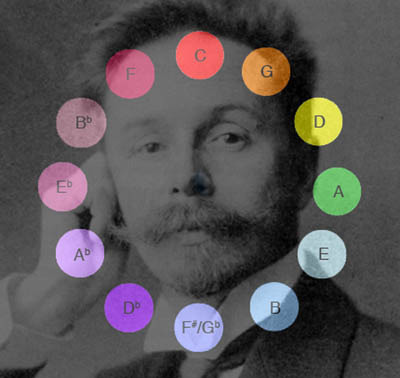
There is a fine line between genius and madness. Given the current zeal for psychoanalyzing dead composers, Alexander Scriabin (1872-1915) would seem to be a perfect subject. He showed serious mental instability during the early stages of his life, and
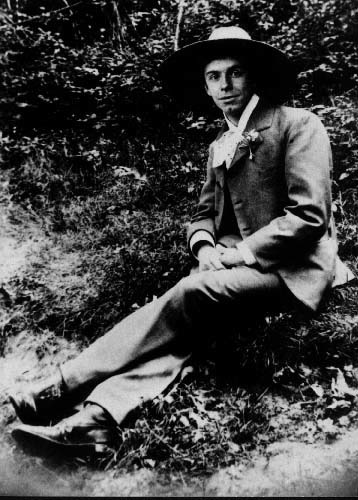
Alexander Scriabin (1872-1915) was short of stature and stood just over five feet tall. For a period of time he joined the military, but was mercilessly ridiculed and bullied because he was “small, effeminate and weak.” Commentators have suggested, “Like
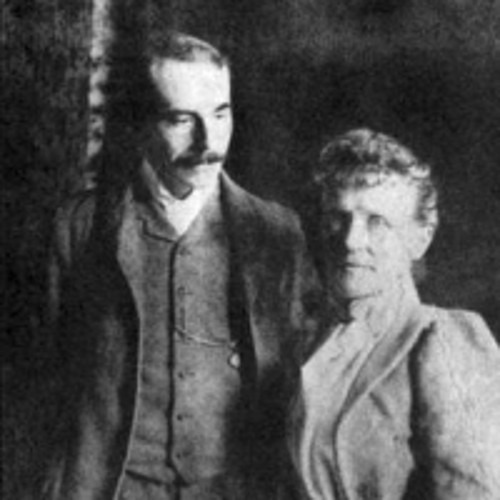
English composer Edward Elgar used to create musical puzzles and then challenge his wife to solve them. He would create little piano pieces depicting various friends and Alice Elgar had to figure out who he was depicting.
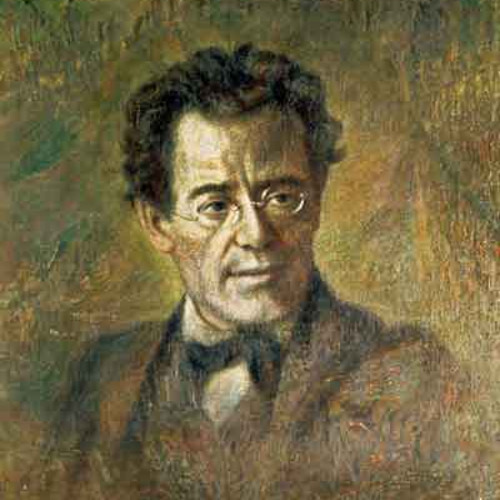
There can be nothing more tragic to a parent than the loss of a child. Imagine the grief of the German poet Friedrich Rückert, who lost two of his children to scarlet fever within a period of six months. Attempting