
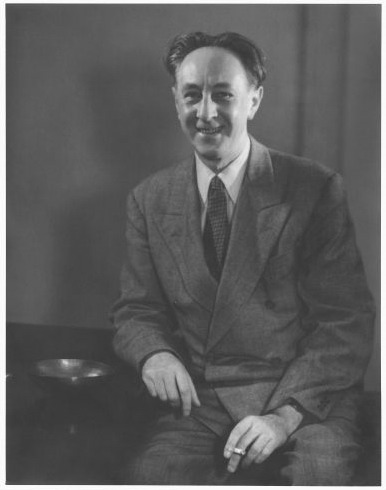
Bohuslav Martinů composed a large quantity of music in various styles and forms, but according to the composer “in pure chamber music I am always more myself.” His first Piano Trio, nicknamed “Cinq pièces brèves” spontaneously emerged in Paris in
In essence
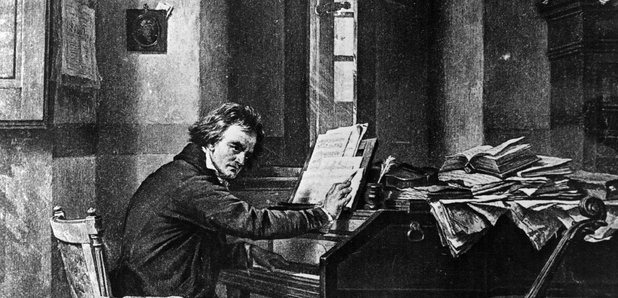
The year 1812 marked a turning point in Beethoven life. He consistently experienced poor health, emotional stress and lived in great financial anxiety. He spent considerable time at the spas in Teplitz, Karlsbad and Franzensbrunn, and in September he wrote
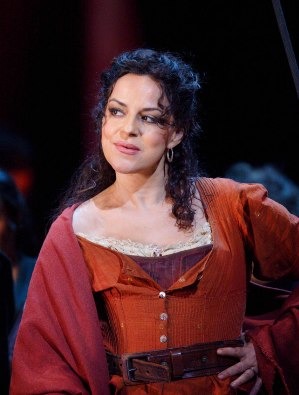
Opera dominated the musical life of most European cities in the nineteenth century. People from all social classes could participate in the theatrical form by simply buying a ticket. In lavish settings, audiences marveled at singers and musicians combining text,
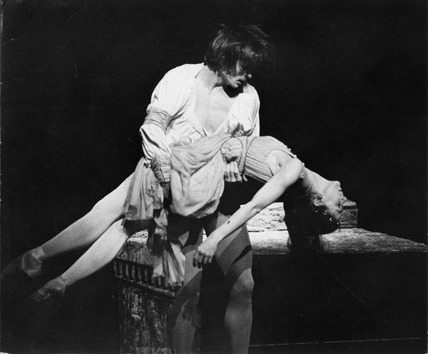
William Shakespeare’s mastery of metaphor, lyricism, cadence and phrasing resonates with musicians. His poetic output has so much musicality it’s no wonder that the works of Shakespeare have inspired composers. His influence on music for the last five hundred years
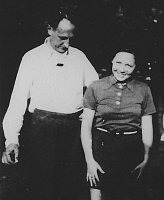
In 1937, Bohuslav Martinů visited the city of Prague to prepare for the premiere of his opera Julietta. During that visit, he met the highly talented composer Vítĕzslava Kaprálová, who had written her first two compositions for piano solo by
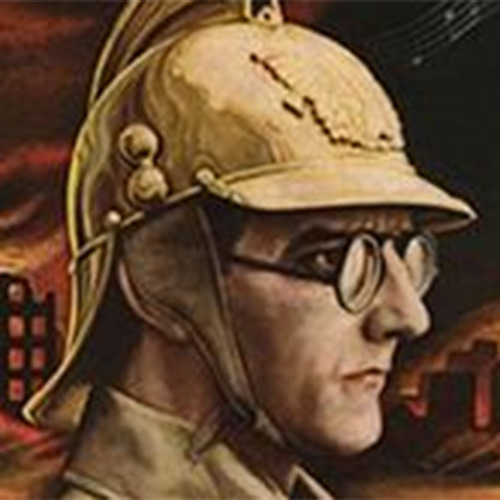
With the German Sixteenth Army strategically entrenched just thirty miles southeast of Leningrad, the city also known as St. Petersburg got ready for the most prolonged siege of World War II. Among the citizens of Leningrad was a thirty-four-year-old composer
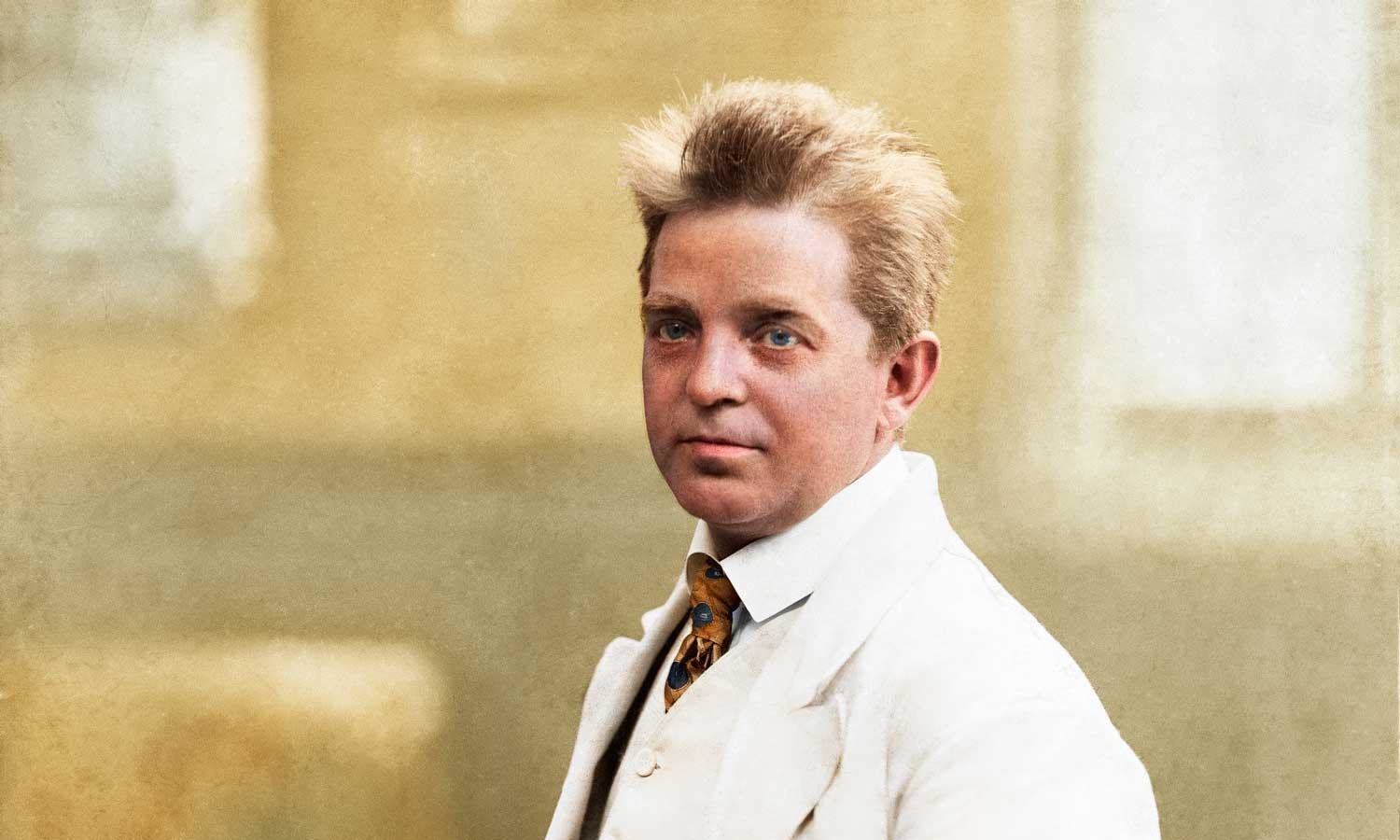
What do you do if you’re stuck in the frozen north and are looking longingly at the sunny south where your wife is working? Well, you take a holiday and then, if you’re a composer, you write something that brings
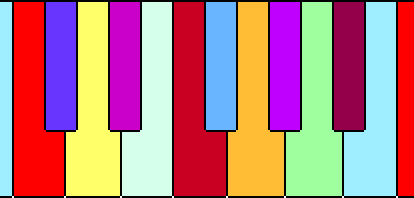
The Russian composer Alexander Scriabin was very interested in relating color and sound. Scriabin had synesthesia – he actually heard in color; his friend Nikolai Rimsky-Korsakov had the same sense. In 1910, Scriabin codified his sound and color senses and