
We think of them as a summer phenomenon, a mysterious blinking in the bushes, or a trail of light seen out of the corner of your inattentive eye: fireflies! American composer Stephen Barber was in a garden in upstate New
Explore


Getting a good night’s sleep is not a luxury. It’s a necessity for our physical and mental well-being. Music can help people relax and fall asleep faster. Classical piano music can be especially effective at inducing sleep. In this article,


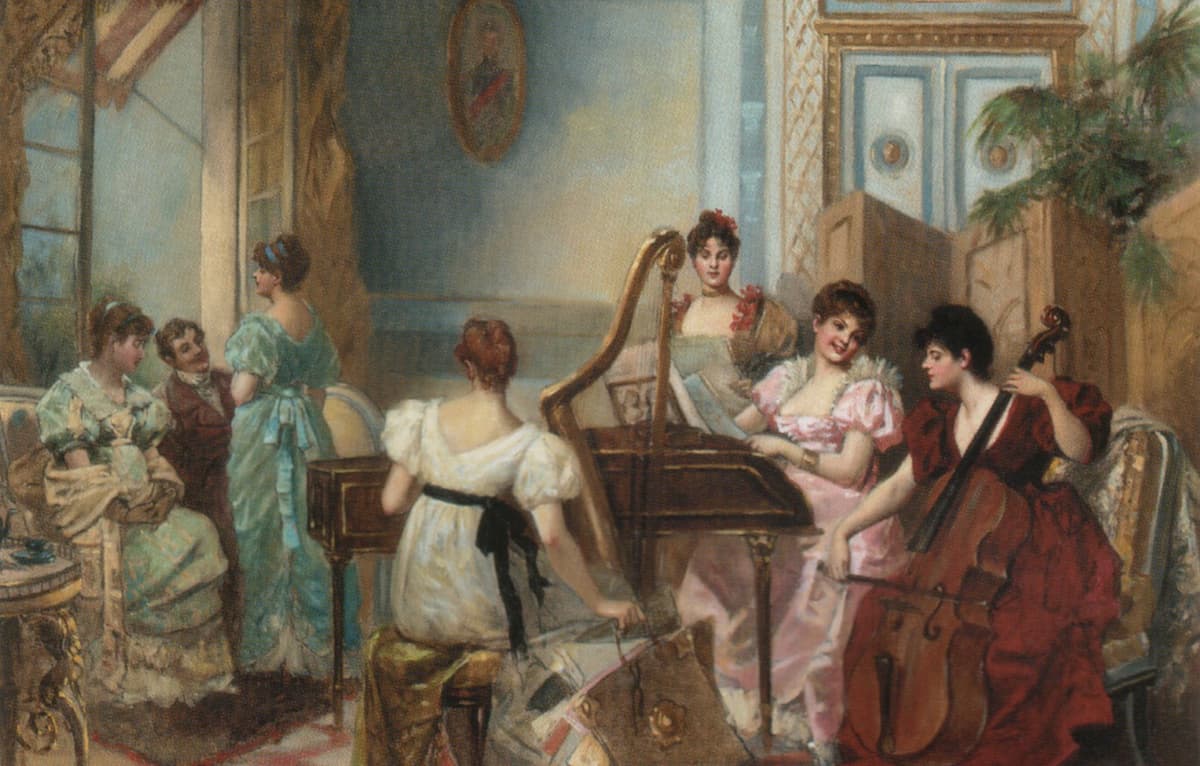
The romance and its successor the mélodie was one of the main genres cultivated by Les Femmes “Compositeurs.” A mélodie is a form of French art song that is somewhat comparable to the German Lied. Claude Debussy wrote as follows,

Credit: Classical Music Daily on Instagram
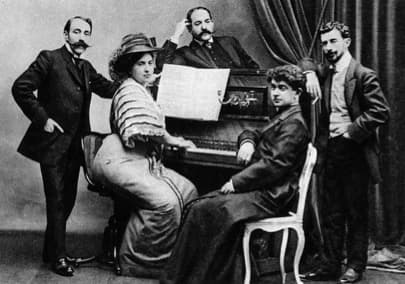
In the exciting cultural institution we know as the “Parisian salon,” Salonnières organized gatherings in their homes that brought together writers, artists, philosophers, musicians, and other patrons. “It stimulated socializing between the sexes and brought nobles and bourgeois together, eventually
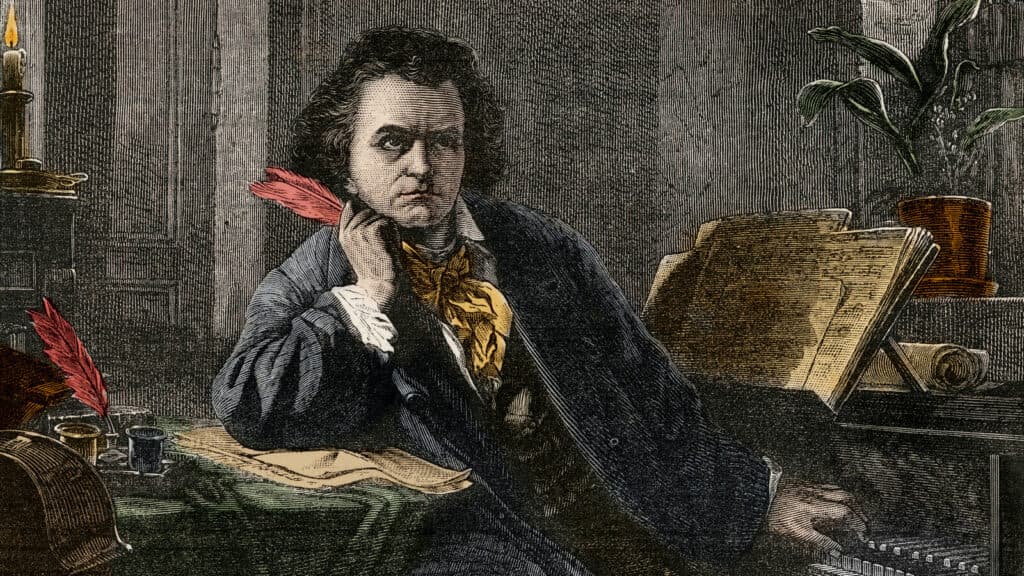
Over a period of about 22 years, Ludwig van Beethoven composed a total of eleven overtures for a variety of occasions and under different circumstances. Overtures had traditionally served as openings for stage or larger vocal works for centuries. Although