
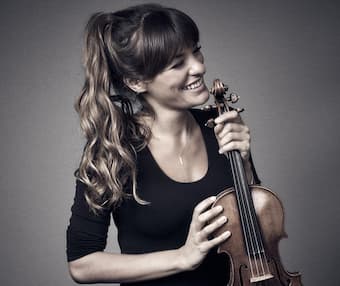
Nicola Benedetti, born on 20 July 1987, is widely considered one of the most sought-after violinists of her generation. According to critics, “her ability to captivate audiences with her innate musicianship and spirited presence, coupled with her wide appeal as
Articles
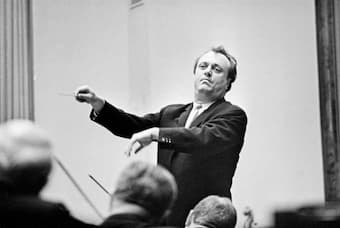
For well over three decades, Kurt Masur was one of the world’s most celebrated conductors, having established an international reputation as “a sensitive and innovative interpreter of the Classical and Romantic repertoire, specifically Mendelssohn, Brahms and Tchaikovsky.” He was also
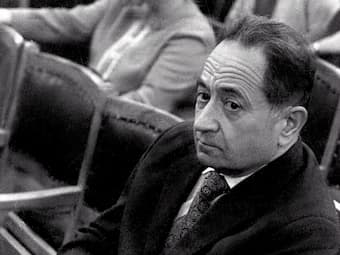
Another prodigiously talented composer is being resurrected from obscurity. Dmitri Klebanov (1907-1987) had two strikes against him during the Soviet era of cultural suppression. He was Ukrainian and Jewish, and his music has been largely unknown. Somehow, he evaded capture,
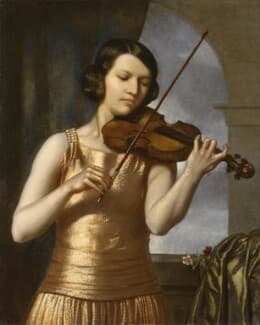
The D’Aranyi Sisters Play Spohr’s Duo in D minor 1927 Two sisters and outstanding violinists inspired several great musical works of the 20th century. Born in Budapest, Adila (1886) and Jelly d’Aranyi (1893) possessed royal musical blood. Their great-uncle was
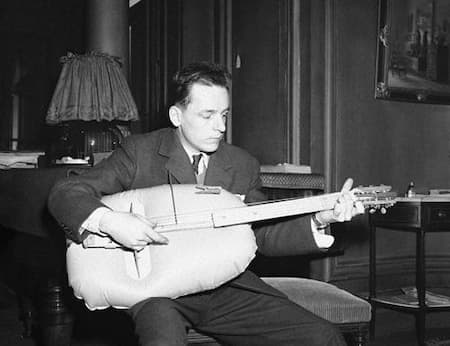
You want to travel with your guitar, but your luggage just won’t let you. How do you manage? The French inventor François Baschet ran into that problem when he wanted to travel after WWII. His guitar proving too big to
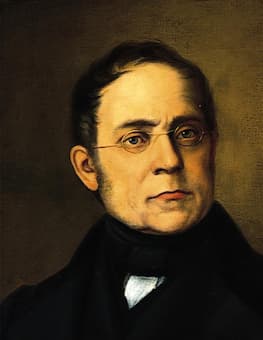
Carl Czerny, unquestionably one of the towering figures in the history of nineteenth-century pianism, died on 15 July 1857 at the age of 66. As a contemporary publication notes, “The death of Carl Czerny, although it cannot be said to
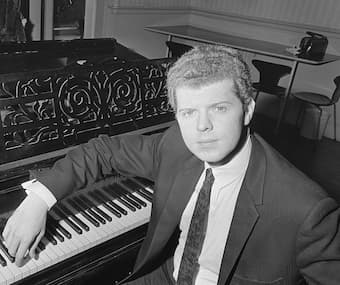
It still ranks as one of the biggest sensations in classical music when Harvey Lavan “Van” Cliburn Jr. won the inaugural International Tchaikovsky Competition in Moscow in 1958. With the Cold War raging, the Soviet Union scored a huge technological
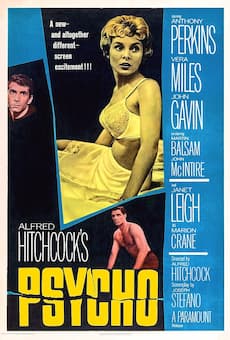
While the war years provided much opportunity for stirring patriotic films, the industry underwent a number of significant changes immediately following. With money in short supply, the lush symphonic scores of the Golden Age gradually declined, and composers started to