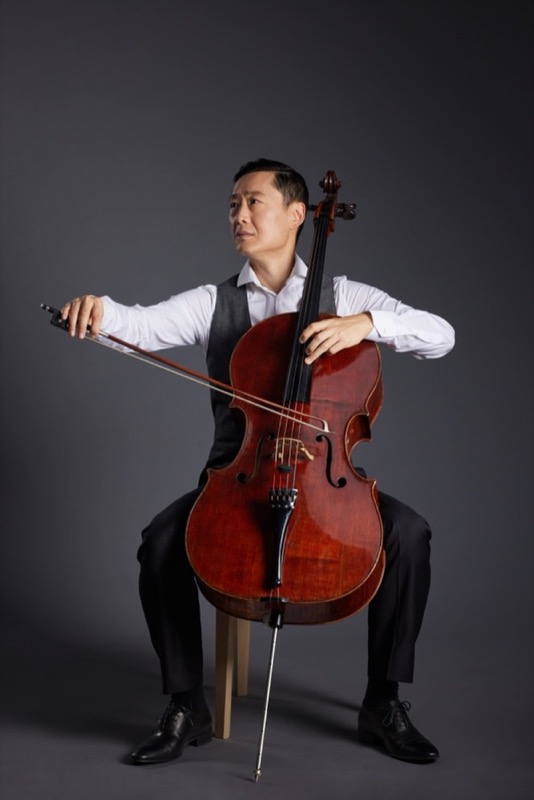
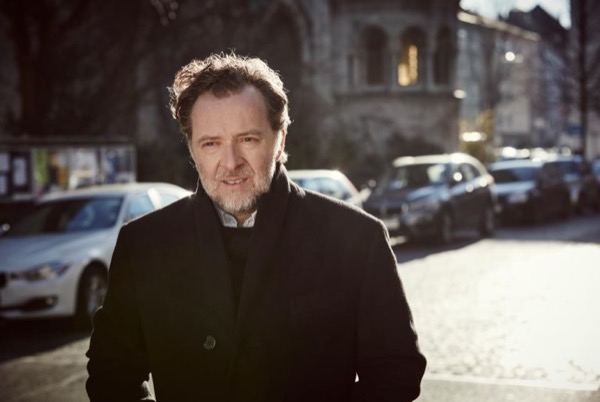
Founded in 2017 by pianist Tom Poster and violinist Elena Urioste, Kaleidoscope Chamber Collective recently made its debut with Clarion Concerts in Hudson, New York. Known for its creative programming and commitment to musical diversity, the ensemble brings together leading musicians to perform familiar classics alongside lesser-known works. It performs internationally and has released several acclaimed recordings.
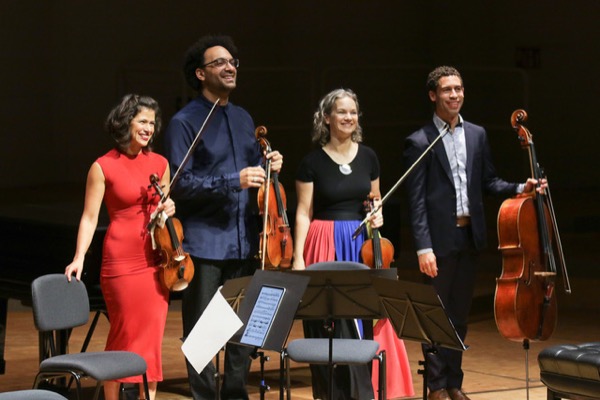
Kaleidoscope Chamber Collective
For Kaleidoscope, expanding the repertoire is not enough. The ensemble wants to give deserving works a chance to be heard and help audiences discover music they might otherwise miss.
Since its founding, the ensemble has become increasingly aware of the gap between the music regularly performed in concerts and the vast number of works composed throughout history.
“As we have carried on giving concerts, both as individuals and as a group, we have become more and more aware of the fact that the works which appear on the majority of artists’ and ensembles’ concert programs make up only a small part of the vast amount of great music that has been composed over the centuries,” the musicians explained. They have especially enjoyed celebrating composers whose work hasn’t received the recognition it deserves.
Enescu – String Octet and Piano Quintet
This dedication includes music by Black composers and other composers of colour, since their works have often faced barriers to recognition. The ensemble pointed out that “composers who were not white and male have generally been treated less favourably when trying to gain acceptance from the usually conservative musical establishment.” At the same time, their interest is not only about representation. As the musicians said, “there are many hidden and overlooked treasures by composers of all backgrounds, ages and periods – a huge store of excellent music which is waiting to be found (or rediscovered)!”
The spirit of discovery was at the heart of Kaleidoscope’s October 25 concert for Clarion Concerts. This nonprofit has brought chamber music to New York’s Hudson Valley for nearly 70 years and has promoted the work of Black composers and musicians of colour. Curated for the ensemble’s Clarion Concerts debut, the program was framed by two works by Robert Schumann, with music by Ethel Smyth and contemporary British-Jamaican composer Eleanor Alberga in between.
Schumann’s Adagio and Allegro for horn and piano opened the concert, and his well-known Piano Quintet brought it to a close. Two less frequently performed works lay between them. Ethel Smyth’s Trio for Violin, Horn and Piano, described by the musicians as “soaring” and “exuberant,” is also known in its orchestral form as a Double Concerto, which Elena and Ben recently performed at the BBC Proms. Eleanor Alberga’s Shining Gate of Morpheus, inspired by Greek mythology, brought together horn and strings in what the musicians described as golden textures.
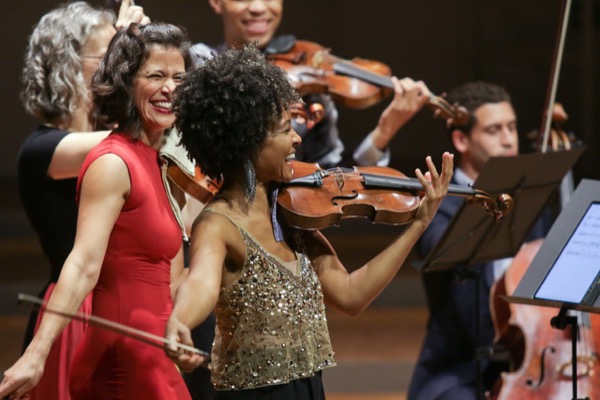
Kaleidoscope Chamber Collective
By pairing lesser-known pieces with familiar ones, listeners can explore new music without leaving behind what they already enjoy. The ensemble notes that audiences often hesitate with unfamiliar music, saying that “lots of people have a tendency to book tickets to hear the pieces they already know well.”
Their experience shows that unfamiliar works sometimes become the audience’s favourite part of a concert. The musicians remembered hearing people say, “I expected to love the Brahms most, but in fact my favourite piece was the Florence Price Quintet.”
These reactions have become increasingly meaningful as Kaleidoscope has continued its work. The musicians explained that “audiences have really started to trust that they’ll love the music we program, even if it’s unfamiliar to them.” That trust lets the ensemble introduce works that might otherwise stay outside the standard chamber repertoire.
For pianist Tom Poster, an unfamiliar piece does not have to send a deep message to be valuable. “I don’t believe pieces always need to say something important to be worth playing. Sometimes just being beautiful, wild, or funny is enough!” he said.
Poster feels he has “quite a good instinct for spotting pieces that are deserving of our advocacy,” but bringing them to the stage often takes extra work. “Often the printed editions of lesser-known works are riddled with errors, and the existing recordings can be lacklustre,” he explained. “Sadly, pieces can easily get written off by other musicians for these reasons.”
For Kaleidoscope, advocacy means moving past these challenges and giving every piece the attention it deserves. Poster said the group “always strives to bring the same love and commitment to every piece we play, whether it’s a quartet by Brahms or Pejačević, a world premiere, or an arrangement of a Dana Suesse song.” He added, “It feels especially meaningful to find the space to let every piece shine as it deserves.”

Kaleidoscope Chamber Collective
This approach to choosing music matches how the ensemble works together. Kaleidoscope brings musicians from different backgrounds and experiences, and its members see this diversity as a source of artistic growth.
“Like the wider world, the music world is better and richer when people of diverse backgrounds and experiences can collaborate and learn from each other,” the musicians said. They know that chamber music needs performers to develop “a shared approach, a collective sound, a common goal,” but they believe everyone’s unique qualities help the process.
“We always strive to find a joyful, democratic way of rehearsing, conversing, and performing – the music of equals,” they explained.
Over the years, the ensemble has found new music in many ways, from recommendations and chance performances to library searches and online discoveries. As they said, “There are countless ways we have been introduced to composers and music which have enriched our lives: recommendations by friends and strangers, chance hearings at concerts or on the radio, searches in dusty libraries, and late-night Google rabbit-holes, to name just a few.”
The colleagues have shaped Kaleidoscope’s musical journey; its members have worked with them over the past decade. Now, they are inspiring younger musicians to choose and perform music that reflects their own artistic identities. Hearing that their example has encouraged others to work in a more personal, authentic, and joyful way is, they said, “perhaps the greatest reward of all.”
To learn about the Kaleidoscope Chamber Collective and Clarion Concerts, please visit https://www.kaleidoscopecc.com and https://www.clarionconcerts.org.
For more of the best in classical music, sign up for our E-Newsletter