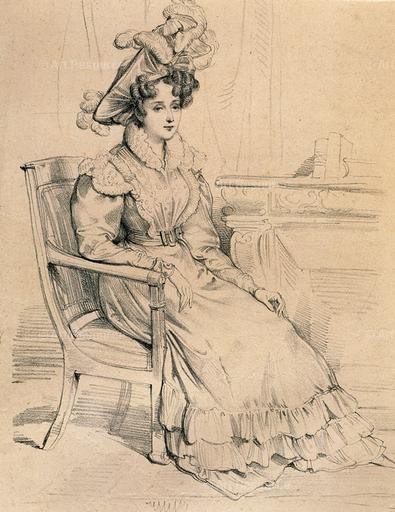
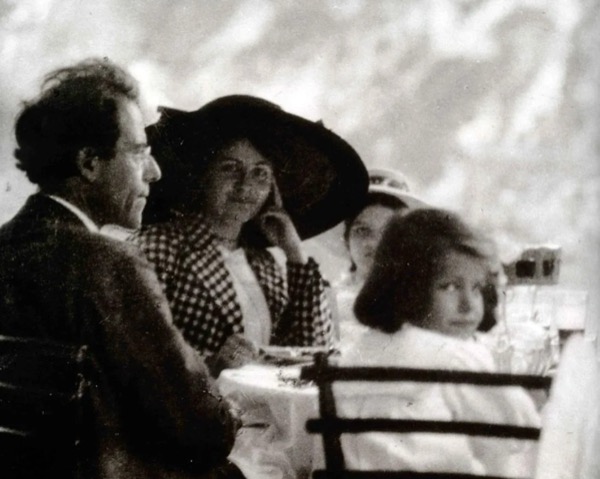
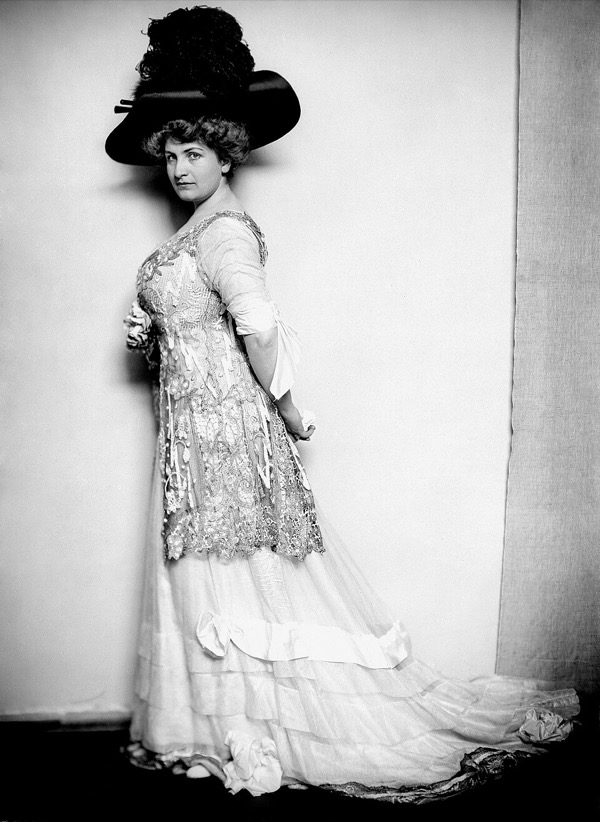
Niccolò Paganini was famous for his voracious appetite for women. One of his most formative romantic relationships was with a singer named Antonia Bianchi, from 1824 to 1828.
Together, these two Italians were electric – but their respective tempers quickly wore each other down.
Worse, separating was a more involved process than it had been with other women, thanks to the fact that Bianchi gave birth to Paganini’s son Achilles.
Today we’re looking at Paganini’s relationship with Antonia Bianchi, her pregnancy, his refusal to marry her, and how their breakup changed his life forever.
Paganini Meets Antonia Bianchi
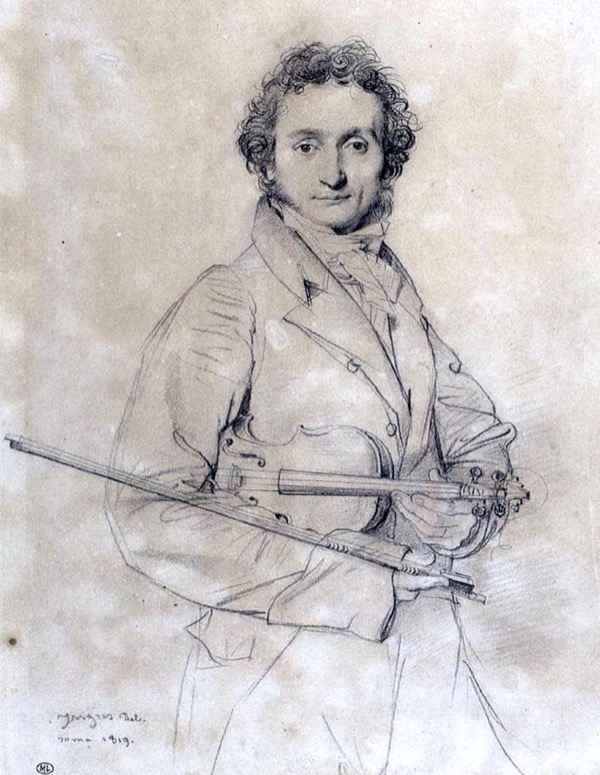
Niccolò Paganini
Around 1824, Niccolò Paganini met Antonia Bianchi, a singer from Como, possibly through mutual friends.
He was taken with her and followed a pattern he’d used with other women: he gave Bianchi vocal lessons, and she accompanied him on his tours, so he always had a co-soloist available.
Both Italians had high tempers. In the mid-1820s, a visiting Croatian magistrate named Matthäus Nikolas de Ghetaldi witnessed one especially volatile conversation. Paganini became apoplectic when a doctor observed that his manual flexibility came from practice; Paganini insisted otherwise. He didn’t calm down until Bianchi arrived.
But Bianchi was fiery, too. According to one of Paganini’s letters, she once slapped him at a gathering of friends because he didn’t take her home when she wanted.
Antonia Bianchi’s Pregnancy

Antonia Bianchi
Bianchi became pregnant in late 1824. In mid-December, Paganini and Bianchi travelled together to Rome, taking an arduous route through a mountain pass. The temperature extremes damaged Paganini’s violin so badly that it needed repairs when they arrived. We’re left to guess at what physical condition Bianchi arrived in.
Paganini’s love affairs tended to run hot and fast, and his interest in Bianchi was already burning out. In February 1825, after learning she was pregnant, he travelled to Florence to assess a new soprano to, in effect, replace her. That effort fizzled out, and they stayed together.
In April they travelled to Naples, where he gave a concert and sang; afterwards, they continued to Palermo.
This travel was taking a physical toll on Paganini, and his chronic cough worsened. The couple began seriously considering finding Paganini an orchestra job and settling down in one place. Toward the end of her pregnancy, they decided to settle – temporarily – in Palermo.
On 23 July 1825, Bianchi gave birth to their baby son. They gave him the grandiose name Achilles Cyrus Alexander.
Despite Paganini’s later reputation as a man who’d made a deal with the devil, the couple ensured that the boy was baptised into the Catholic Church.
The Paganini/Bianchi Relationship Breakdown
Paganini’s “La Campanella” from his Violin Concerto No. 2 (1826)
If either of them hoped the baby would paper over the cracks in their relationship, those hopes were quickly dashed. Paganini kept dragging his feet, refusing to marry Bianchi or legitimise Achilles.
If anything, tensions between the two grew. In December, he wrote to his brother, “She flies into a rage over nothing,” describing how she banged his violin case on the floor until it broke because he hadn’t taken her on errands. (Fortunately, a manservant saved the instrument within.)
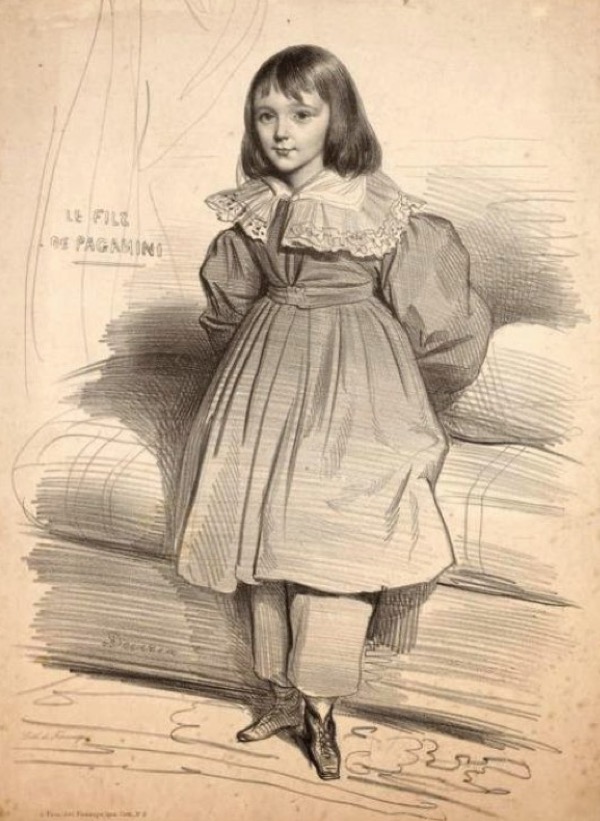
Achilles Paganini
When Achilles was a baby, Paganini came down with various iterations of racking coughs, fevers, and influenza. While her partner attempted to recover, Bianchi focused on improving her singing, which Paganini – presumably grudgingly – praised in a letter.
Neither parent, it seems, was taking time to bond with Achilles.
A European Tour and a Breakup
Paganini’s Maestosa sonata sentimentale, variations on the Austrian national anthem, composed for his Vienna trip
Despite his recurring illnesses, Paganini’s career entered a new phase in the 1820s.
On 3 April 1825, Pope Leo XII awarded him the Order of the Golden Spur, which granted him the title of knight, for “outstanding deeds [that] had spread the faith and championed the Church.”
He also solidified plans to set off on a long-planned tour of Europe, starting with Vienna, to become a soloist revered across the Continent.
Bianchi, however, was nervous about leaving Italy. Presumably she feared that without a marriage certificate in hand, Paganini might abandon both her and the baby. Given his past pattern of discarding love interests, the fear wasn’t unfounded.
Paganini still didn’t want to marry her but compromised by offering her a 100 scudi annuity. She agreed, but it only sufficed briefly. By the time they arrived in Vienna, they were close to a permanent break.
His health problems flared after the strain of the journey, making him even more apt than usual to outbursts, and her resentment at being sidelined grew. In July 1828, he wrote a letter calling her “an iniquitous beast.”
At this point, a separation became inevitable.
The Custody Arrangements
Paganini and Bianchi were no longer an item. But the question remained: what to do about the baby? Temporary custody was granted to a ward as the details were hammered out.
On 22 July 1828, the day before Achilles’s third birthday, Paganini agreed to cancel Bianchi’s annuity and instead pay her a lump sum of 3531 florins (or 10,953 Italian lire).
In exchange, he’d be awarded sole custody of Achilles.
Under the terms of the agreement, Bianchi could write and inquire about his well-being and visit if they ever ended up in the same city.
Bianchi signed the agreement, took the money, and handed over her son. Two years later, she married another man.
Conclusion
Paganini took many lovers, but, thanks to her pregnancy, Bianchi impacted Paganini’s life in a different way from the others. Although he loved his son dearly, he remained bitter about her. As for what happened to her after her marriage, the historical record says little.
For more of the best in classical music, sign up for our E-Newsletter