50 Years of Historical Resonance and Alpine Elegance
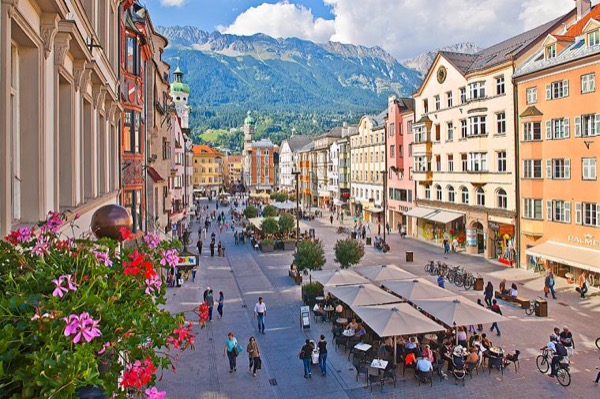
In the vast landscape of European classical music, few places offer a setting as visually and acoustically captivating as Innsbruck. Here, where the dramatic limestone peaks of the Nordkette mountains frame Renaissance loggias and Baroque palaces, history is not a distant memory preserved under glass; it resonates alive in the crisp mountain air. Every summer, as the sun shines off the historic copper roofs, this Tyrolean capital transforms into a global meeting place for historically informed performance during the Innsbruck Festival of Early Music (Innsbrucker Festwochen der Alten Musik).
Credit: Innsbruck Tourismus
The year 2026 marks an extraordinary milestone: the festival’s 50th Anniversary Golden Jubilee. Running from July 24 to August 30, 2026, under the central theme “What Are We Celebrating?” (Wir feiern!). It serves as a living look at how five decades of music research, instrument restoration, and performance practice have reshaped our understanding of early music. For music lovers, travellers, and opera enthusiasts planning to visit Innsbruck in the future, this guide offers a reflection of the festival’s history, its 2026 program, and the region’s rich cultural delights.
Half a Century of Historical Innovation
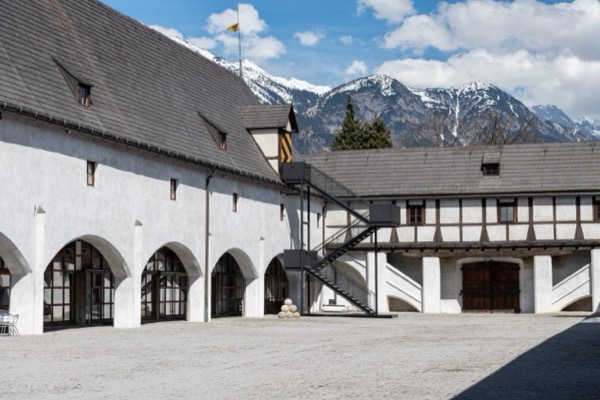
To understand the true weight of Innsbruck’s half-century milestone, one must look back to 1976, when Professor Otto Ulf launched the inaugural “Early Music Week” (Woche der Alten Musik) at Ambras Castle. At a time when symphonic orchestras routinely performed Baroque repertoire with dense textures and continuous vibrato, using period instruments was seen as a radical, almost rebellious act. Innsbruck quickly sparked a quiet revolution focused on restoring the transparent sonorities, lighter articulation, and flexible tempos originally intended by classical masters.
What began as a modest summer course rapidly expanded into a full-fledged international festival by 1977. Over the past fifty years, Innsbruck has evolved into a creative workshop where scholars, instrument makers, and performers meet to unearth forgotten manuscripts, test historic tuning systems, and master rare period instruments. In doing so, the festival transformed historically informed performance from a niche academic pursuit into a mainstream movement, proving that period instruments bring extraordinary emotional energy and rhythmic vitality to centuries-old repertoire.
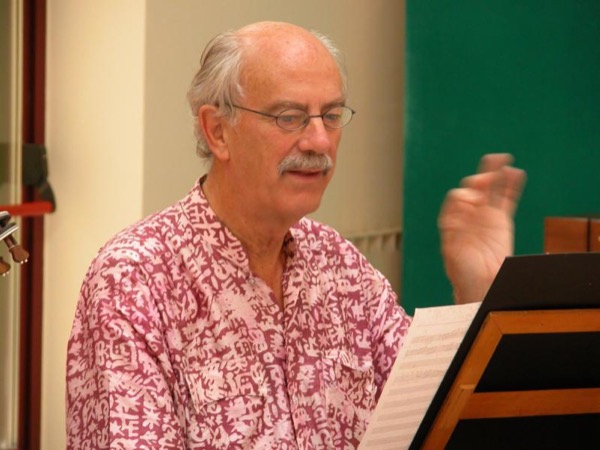
The international reputation of the Innsbruck Festival was built by a succession of extraordinary artistic leaders. The late American musicologist, harpsichordist, and conductor Alan Curtis (1934 – 2015) was central in making Innsbruck a premier home for reviving forgotten Baroque operas. Curtis spent decades searching the archives of Venice, Rome, Naples, and Vienna to uncover lost manuscripts. He treated the stages of Innsbruck as a living workshop, transcribing these works and bringing them to modern audiences for the first time in centuries. His dedication to stylistic accuracy laid the groundwork for the festival’s global acclaim.
Credit: https://www.warnerclassics.com
Following Curtis, the celebrated Belgian countertenor and conductor René Jacobs introduced a dynamic theatrical energy to Innsbruck. Jacobs brought a singer’s deep understanding of Baroque vocal phrasing and drama. Under his leadership, Innsbruck’s opera productions achieved remarkable emotional depth, proving that 17th-century opera was an engaging, living theatrical experience. Later, Italian conductor Alessandro De Marchi took over as music director, expanding the repertoire to include lesser-known regional works and founding the “Pietro Antonio Cesti” International Baroque Singing Competition in 2010. This competition quickly became a launching pad for young singers specialising in Baroque music, helping pass these performance traditions on to new generations.
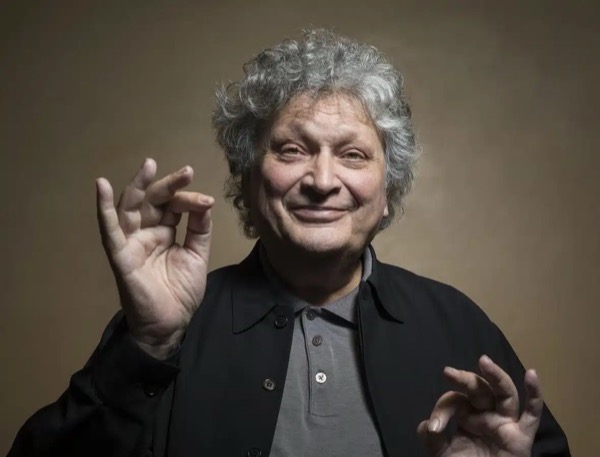
Credit: https://www.harmoniamundi.com/
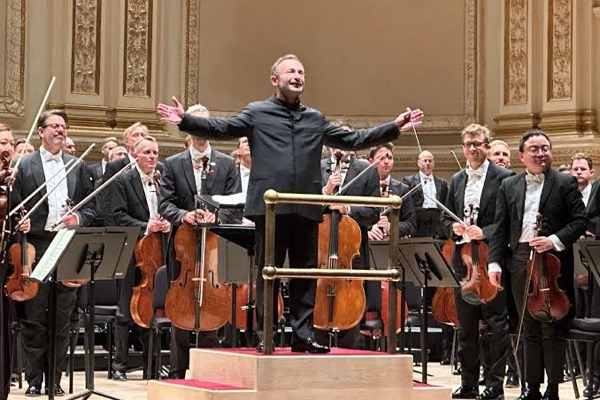
Today, the festival is led by Artistic Director Eva-Maria Sens and Music Director Ottavio Dantone, with Dantone’s renowned ensemble, Accademia Bizantina, serving as the orchestra-in-residence. Dantone brings both deep intellectual care and vital rhythmic energy to his work. For the 2026 Golden Jubilee, Sens and Dantone have designed a season that directly reflects on the festival’s history. Under the motto “What Are We Celebrating?”, they view the 50th anniversary as a lively dialogue between historical memory and modern performance. In a touching show of artistic continuity, former artistic directors return to conduct major performances alongside Ottavio Dantone, reuniting generations of Baroque leadership on Innsbruck’s stages.
Curated Performances in Historic Spaces
The 2026 Jubilee season offers a rich program of 62 events across 22 historic locations over the course of one month. Baroque opera productions are naturally the anchors of each festival edition.
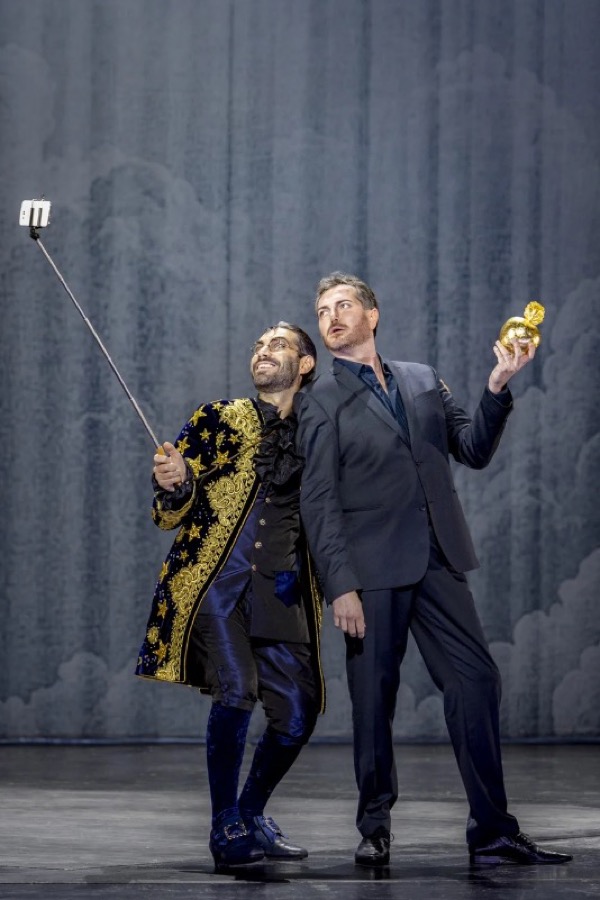
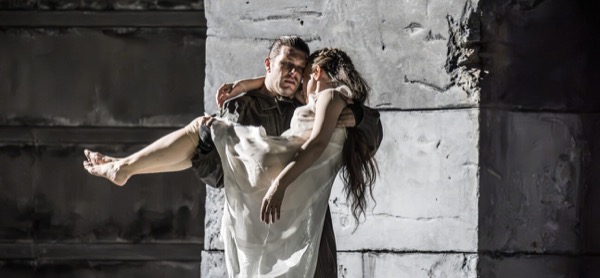
The clear focal point of the 2026 operatic program is Pietro Antonio Cesti’s Il pomo d’oro (The Golden Apple). Though court chronicler Eucharius Gottlieb Rink claimed it premiered in 1666, musicologist Carl B. Schmidt proved that construction delays, financial strain, a fire, and royal mourning delayed the actual premiere until July 13–14, 1668, for Empress Margarita’s birthday. As the pinnacle of 17th-century court entertainment, the original staging featured 47 solo roles, complex choruses, and grand stage machinery depicting heavenly palaces. However, music for Acts II and IV was lost over time. For Innsbruck’s 50th anniversary, Ottavio Dantone has reconstructed these missing sections using stylistic research and Cesti’s surviving works, fully restoring this imperial masterpiece.
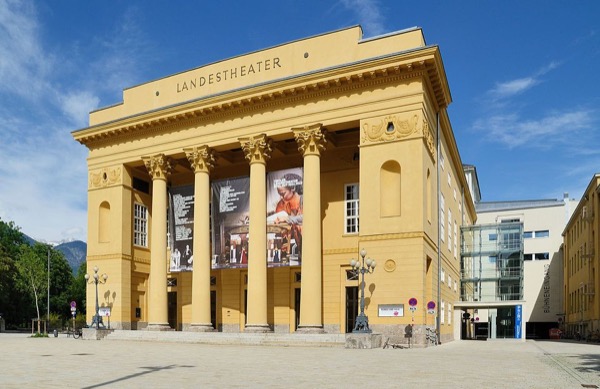
Tiroler Landestheater
This landmark production takes place at the Tiroler Landestheater, a neoclassical grand opera house situated directly opposite the Imperial Palace. Stage director Fabio Ceresa brings a clear visual concept to this story of mythological debate and human weakness. In keeping with the grand court traditions of the original premiere, the opera is presented across two consecutive evenings per cycle, offering audiences a rare, complete look at an imperial masterwork performed by Accademia Bizantina.
A contrasting operatic experience can be found in Händel’s pastoral opera Atalanta, performed at the Haus der Musik in the intimate Kammerspiele hall. Premiered in London in 1736, Atalanta tells the lighthearted tale of an athletic princess, romantic disguises, and boar hunts in the countryside. This production is presented as part of the Barockoper: Jung initiative, featuring the standout young winners of the 2025 Cesti Competition under the baton of Andrea Buccarella. The modern architecture and clean acoustics of the Haus der Musik offer a perfect setting to appreciate the agility and fresh energy of these emerging vocal stars.
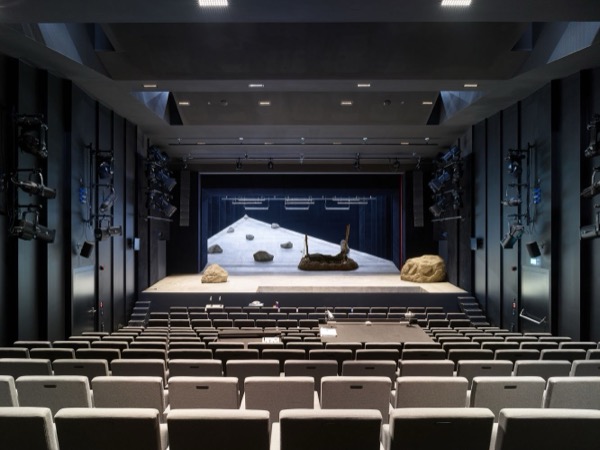
Credit: Roland Halbe
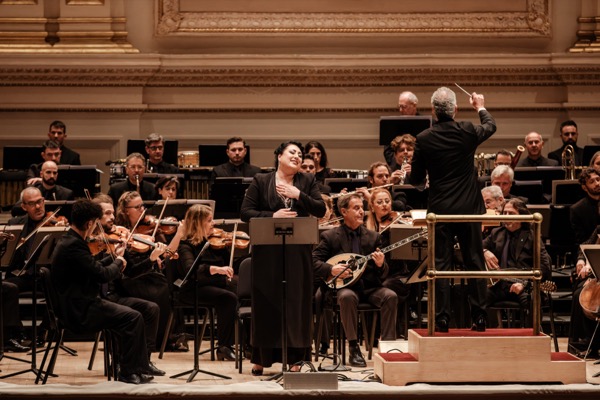
Concert events throughout August weave together musical tributes and architectural heritage. On August 10, Ottavio Dantone leads Accademia Bizantina and mezzo-soprano Anna Bonitatibus in a special memorial concert honouring Alan Curtis at the Tiroler Landestheater, featuring arias and orchestral pieces that Curtis personally uncovered and premiered in Innsbruck. On August 13, Malena Ernman and the Orchestre de l’Opéra Royal de Versailles present a program dedicated to Queen Christina of Sweden. This concert carries local history, as Queen Christina officially converted to Catholicism in 1655 inside Innsbruck’s historic Hofkirche (Court Church). The Hofkirche itself remains an extraordinary venue during the festival, home to the famous 1558 Ebert Organ—the oldest playable organ in Austria—where solo keyboard recitals bring authentic Renaissance sounds to life surrounding Emperor Maximilian I’s monumental tomb.
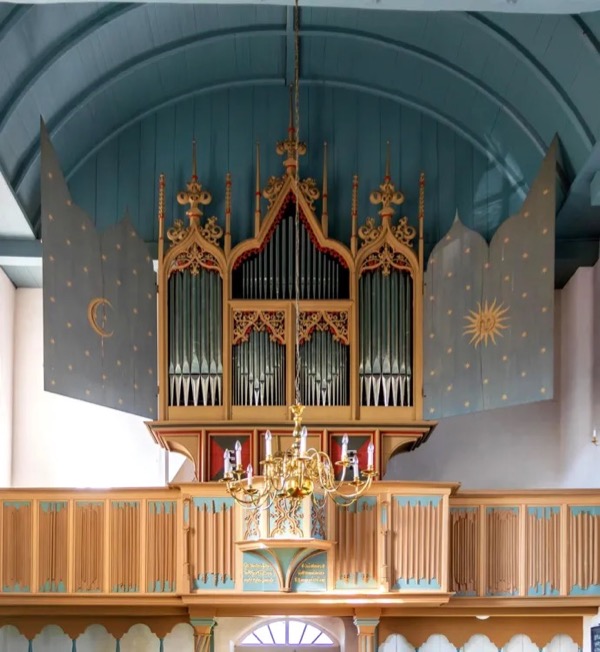
Credit: https://pipeorganmap.com
Ebert Organ at Court Church Innsbruck.
Another iconic space is the Spanischer Saal (Spanish Hall) at Ambras Castle. Built between 1569 and 1572 by Archduke Ferdinand II, this 43-meter Renaissance hall features an intricate inlaid wooden ceiling and portraits of Tyrolean rulers. The extensive woodwork creates a warm, clear acoustic environment that is perfectly suited for intimate chamber music. During the festival, the Spanischer Saal hosts solo recitals and small ensembles, allowing listeners to hear delicate period instruments as they were meant to sound.
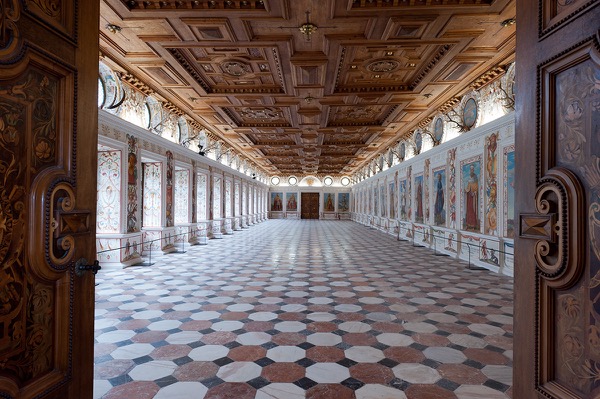
Credit: https://www.schlossambras-innsbruck.at
Monteverdi’s Muse // Ensemble Voces Suaves
Meanwhile, the gilded Riesensaal (Giant’s Hall) inside the Imperial Hofburg Palace provides a dazzling Rococo setting for orchestral galas. Decorated with crystal chandeliers and ceiling frescoes, its high vaulted space is ideal for festive orchestral suites. On August 22, Attilio Cremonesi, replacing René Jacobs, who unfortunately called for absence due to health, conducts the Freiburg Baroque Orchestra at Haus der Musik in Händel’s early Italian masterpiece Il Trionfo. The festival weekend concludes on August 29 and 30 with a chamber music recital where Ottavio Dantone pairs up with flautist Giovanni Antonini—recreating a memorable 1981 duo program given in Innsbruck by Gustav Leonhardt and Frans Brüggen—followed by the final round of the 17th International Cesti Competition.
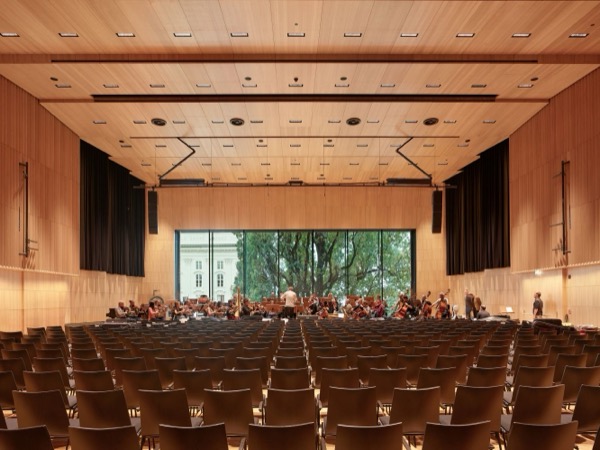
Credit: Roland Halbe
For more of the best in classical music, sign up for our E-Newsletter